Soil Washing Equipment Warranty Coverage Negotiation: Clauses That Protect Your Plant After Commissioning
Soil washing equipment warranty coverage negotiation decides who pays when a component fails after commissioning. See the clauses that matter: scope, period, response time and exclusions.
Soil Washing Equipment Warranty Coverage Negotiation: Clauses That Protect Your Plant After Commissioning
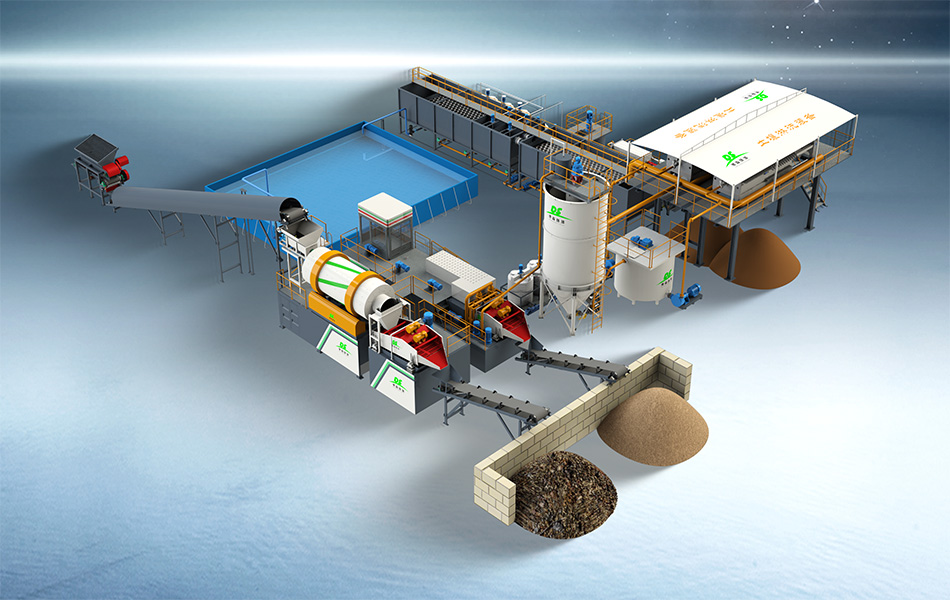
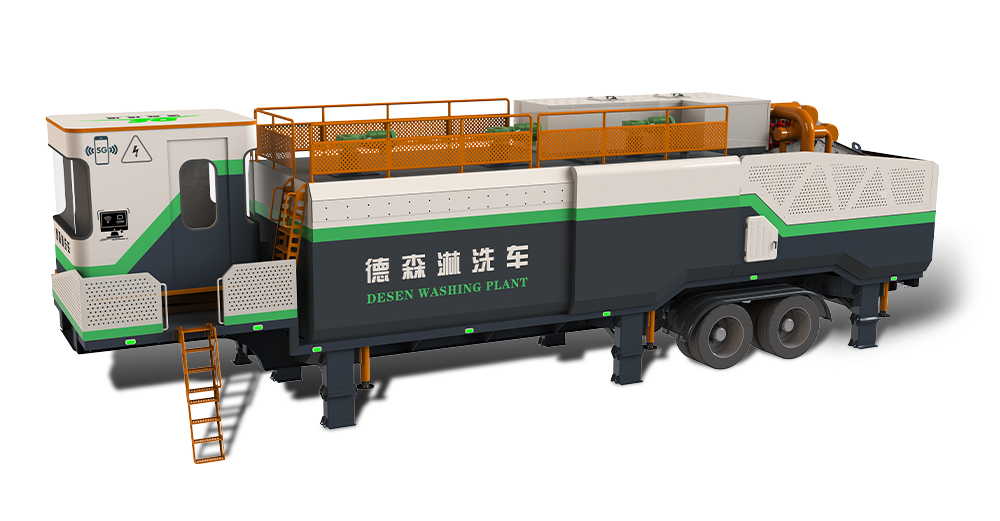
A warranty on soil washing equipment is negotiated while the order is friendly and the invoice is unpaid, but it is read months later, when a hydraulic line has failed and two hundred tonnes of contaminated soil are waiting behind the digger. At that moment the only thing that matters is what the clauses actually say - what is covered, from which date, with what response time, and which exclusions the supplier can hide behind. Desen Environmental builds modular and mobile soil washing equipment for remediation projects across the Middle East, Europe, Southeast Asia and North America, and the negotiation points below reflect the questions buyers ask when the paperwork is still open and changeable.
What the Warranty Should Cover on a Soil Washing Plant
The first negotiation task is scope. A washing line is not one product but an assembly of subsystems, and a vague "equipment warranty" lets each failure be argued into someone else's territory.
The equipment body and major assemblies
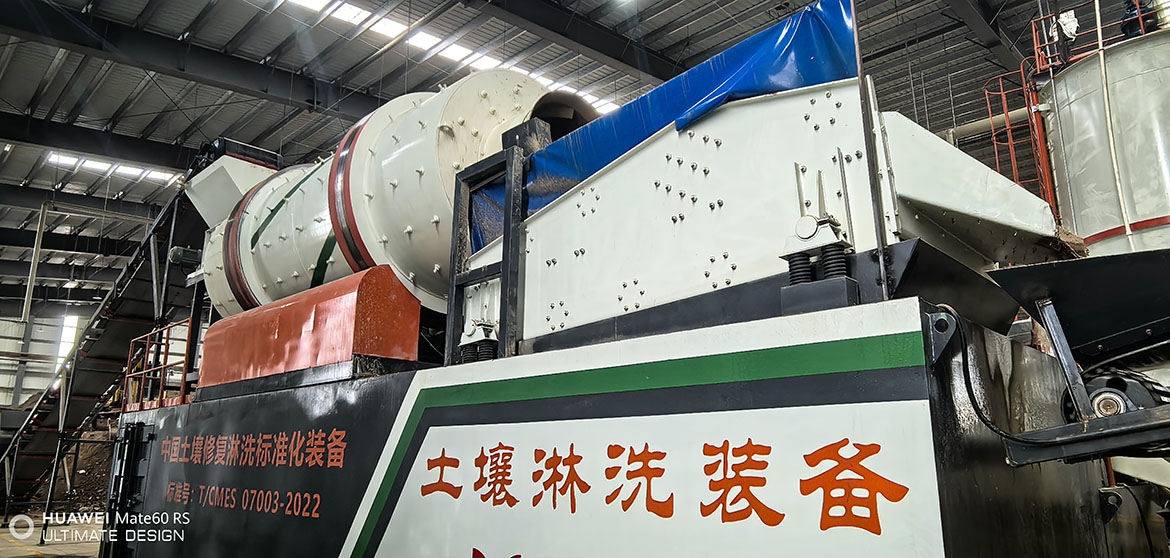
The core scope should name the assemblies explicitly: the drum washer shell and its drive, the attrition scrubbing mechanism, screen decks and their vibrators, slurry pumps and cyclone housings, tanks and agitators, structural steelwork and walkways. Coverage for manufacturing defects in materials and workmanship is the baseline. A common commercial formulation is twelve to eighteen months from commissioning, or a longer period from shipment, whichever comes first - and buyers should confirm that formulation is written down, not implied.
Wear parts and where the line sits
Every supplier excludes consumable wear parts: screen panels, pump impellers and liners, filter cloths, scraper blades. That exclusion is legitimate for parts consumed by normal operation. The line worth negotiating is premature failure caused by design error. If screen media rated for the agreed feed blinds in a week, or an impeller erodes far inside its stated service life on the tested slurry, the failure is a design matter, not normal wear - and the contract should say so in those terms rather than leaving the classification to whoever answers the phone.
Water treatment and electrical systems
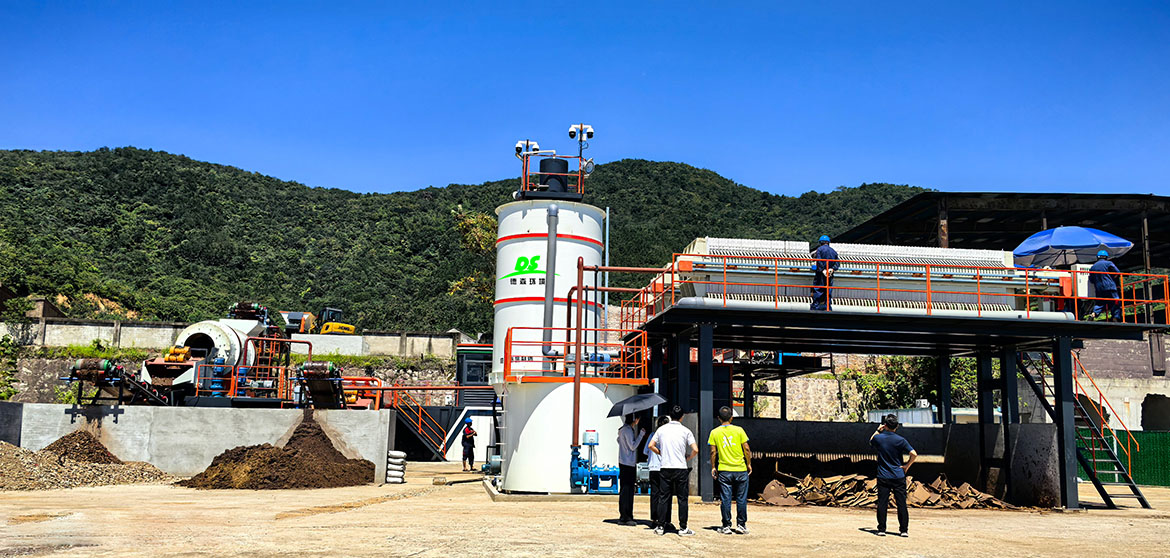
Dosing pumps, the filter press hydraulic system, level sensors, the PLC and its program, and the electrical cabinets should appear in the scope list as named items. These are the components most often left under a generic "consumables and site conditions" clause, yet a plant that cannot close its water loop stops producing treated output just as surely as a broken drum does.
Negotiating the Clauses That Decide a Claim
Scope defines what is covered; the following clauses decide whether a claim is ever paid in practice.
When the warranty period starts
If the clock starts at shipment, every week of sea freight and customs clearance is deducted from the buyer's coverage. The start point should be commissioning completion, or first production run, documented and signed. If commissioning is delayed by the buyer's civil works, a capped outer date (for example, six months after arrival) balances both sides without quietly consuming the coverage.
Response time and parts availability
A warranty without a response commitment is a promise to react eventually. Useful numbers to negotiate: remote diagnosis within twenty-four to forty-eight hours, a named service contact, and a dispatch commitment for critical spare parts. Just as important is the supplier's obligation to hold or quote a spares package at delivery, so a claim does not stall on a part that has to be manufactured from scratch.
Exclusions worth challenging before signing
Blanket exclusions - improper operation, unauthorized modification, feed outside specification - are normal, but each should be anchored to something testable. "Feed outside the agreed specification" is fair only if the agreed specification is the material actually validated during commissioning or the factory acceptance test, described in the contract by gradation and contaminant profile, not left as an undefined reference.
Documentation that supports a claim
Claims succeed on paper as much as on machines. Before commissioning ends, the file should contain:
- The factory acceptance test record, as the performance baseline the warranty protects.
- The signed commissioning report, fixing the warranty start date and the validated feed envelope.
- An operating log covering feed type, throughput and downtime, kept from the first production day.
- The supplier's agreed response-time commitments, written into the contract rather than a brochure.
- A written notice procedure with a defined window, so a failure reported in time cannot be refused as late.
From Commissioning to Claim: Making the Warranty Work
The first ninety days of production are when design defects surface, so this is the period to run the plant inside the tested envelope and keep the log current. A defect reported early, with the commissioning report attached, is settled by repair or replacement with the supplier's own service organization in most cases - which is precisely what the negotiation was for. Suppliers such as Desen Environmental state warranty scope, response commitments and recommended spares lists in the contract offer itself, so buyers can compare coverage line by line before the order is placed; equipment scopes and project references are available at materialwashing.com.