Modular Washing Plant Chemical Storage and Bunding: Containing Reagents Before They Reach the Ground
Chemical storage and bunding on a modular washing plant: sizing secondary containment, segregating reagents and meeting permit conditions in Europe and the Middle East.
Modular Washing Plant Chemical Storage and Bunding: Containing Reagents Before They Reach the Ground
Every modular soil washing line that runs with chemical assistance carries a small warehouse alongside it: coagulants and flocculants for settling fines, acids and alkalis for pH adjustment, sometimes a chelating agent for metals that water alone cannot release. Storage looks like an afterthought next to the drum washer, yet regulators in Europe and the Middle East treat the reagent store as part of the plant, and an inspector who finds an unbunded tank can hold up the permit the line depends on. Desen Environmental builds modular and mobile washing equipment for remediation contractors in Europe, the Middle East and Southeast Asia; this note covers how chemical storage and bunding are normally arranged.
What a Modular Washing Line Actually Stores
The reagent set and how it arrives
Coagulants and flocculants usually arrive as dry powder in 25 kilogram bags, or one-tonne sacks on longer campaigns. A polymer make-up unit on the line dissolves the powder into a dosing solution, so the dry store needs shaded, dry space rather than liquid containment. pH adjustment reagents are different: sulfuric acid and caustic soda arrive as liquids in 200 litre drums or 1000 litre IBC totes and are dosed directly. Chelating agents used for metals such as copper, lead or cadmium arrive in drums at smaller volumes. Each liquid reagent needs its own contained area, because a drum that tips over in an unbunded corner drains straight into the ground.
Quantities decide the storage class
A campaign consuming 80 litres of caustic per shift orders pallets of drums covering several weeks, and at that point the store is a small chemical warehouse in its own right. In Europe, inventories above Seveso or COMAH thresholds enter a heavier regulatory regime; most soil washing projects stay well below those thresholds, but the permit still sets written conditions on storage. Middle Eastern municipal and environmental authorities ask similar questions at approval. The practical rule is the same: know the maximum quantity on site, keep it below the next regulatory tier, and store it as if an inspection were scheduled.
Bunding: Sizing the Secondary Containment
Bunding is the barrier between a leaking drum and the ground, and its design follows a few checks that are easy to document for a permit file.
The containment capacity check
Standard practice sizes the bund to hold at least 110 percent of the largest vessel inside it, or 25 percent of everything stored together, whichever gives the larger volume. A 1000 litre IBC therefore needs a bund of at least 1100 litres before any rainfall allowance. Outdoor bunds in northern Europe add a storm water allowance; in the Gulf the rain allowance shrinks, but blowing sand fills open bunds and has to be shovelled out at each inspection.
Segregate incompatible reagents
Acids and alkalis belong in separate bunds. A shared bund that lets a leaking acid drum and a leaking caustic drum pool together turns a slow spill into a heat-generating reaction. Polymer sits apart as well, because dry polymer that gets wet inside a bund turns into a gel that is hard to clear.
- Bund capacity calculated against the largest single vessel plus a rainfall allowance where bunds sit outdoors
- Separate bunds for acids, alkalis and polymer, with incompatible drums never stored in the same bund
- Chemical-resistant coating or liner on bund floors and walls, checked at handover
- No open surface drains inside a bund, or a drain valve kept locked closed except under controlled discharge
- Safety data sheet folder and spill kits placed at the store entrance, not in a distant office
- Weekly recorded inspection of bund condition, drum seals and IBC taps
Placement, Climate and Compliance
Where the store sits on a tight site
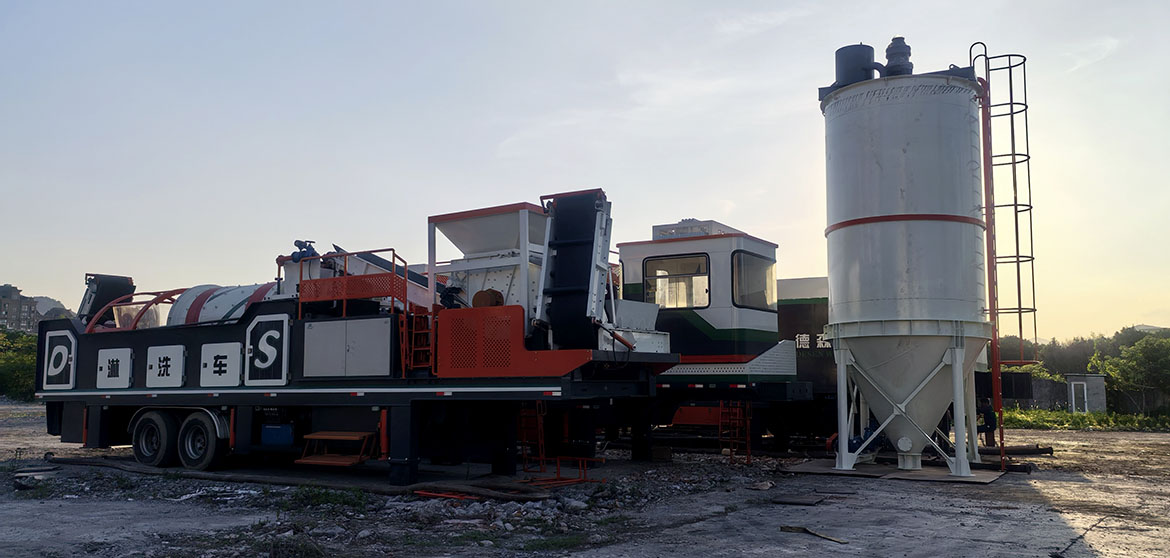
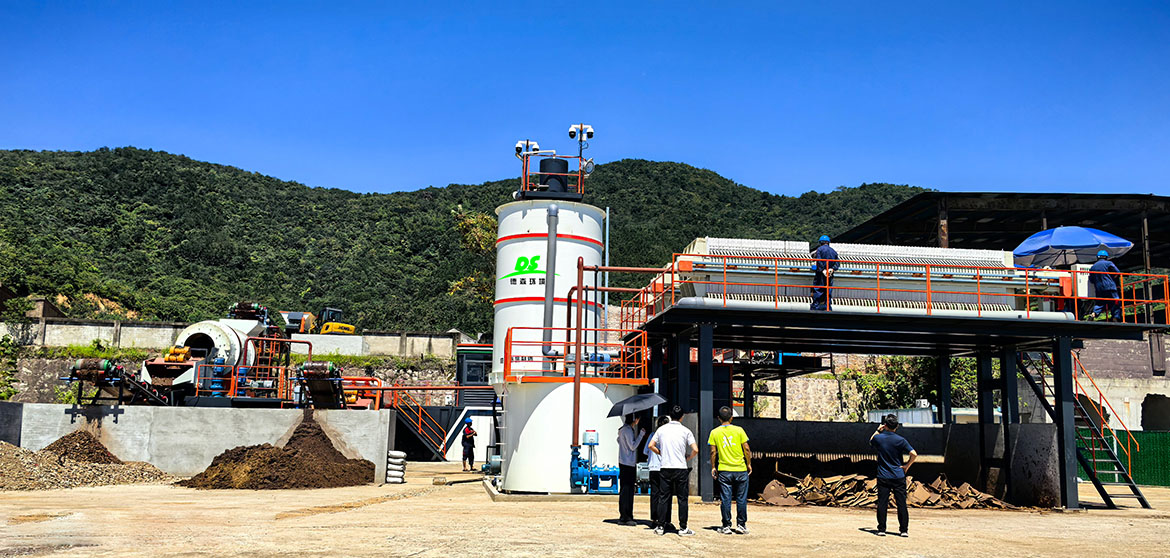
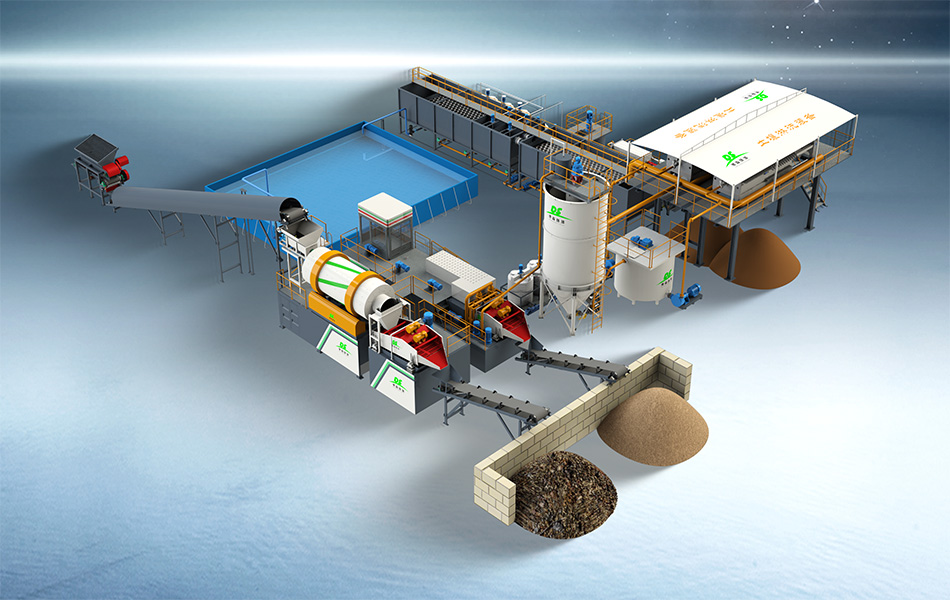
On a compacted remediation site the bunded store must stay clear of the traffic lanes that excavators and wheel loaders use, and away from the daily handling area beside the lined process water pond. Level hardstand keeps bund walls true; a twisted frame opens gaps at the door threshold. Climate shapes the details: in the Gulf, IBC polyethylene degrades under strong sun, so liquid reagents sit under shade structures and polymer is kept below the temperature on its data sheet; in northern Europe, concentrated caustic can crystallise in cold weather, so tank heating or an indoor store is specified at procurement rather than improvised in January.
What permit inspectors ask for
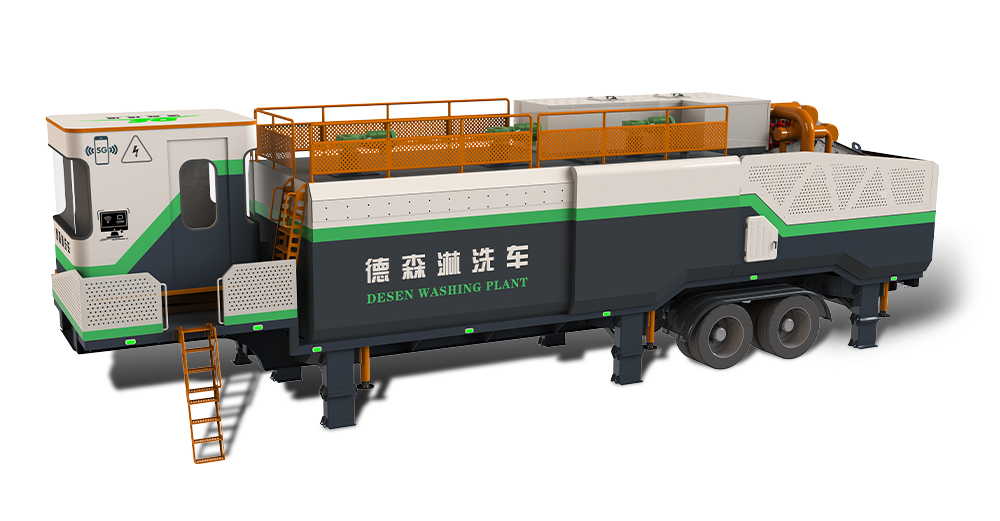
Across both markets the inspection file looks similar: a storage inventory with maximum quantities, a bund capacity calculation, the safety data sheet folder, a spill response plan naming who does what, and a training record for the crew. Sites that prepare these before the first inspection move through approval noticeably faster than sites that assemble papers after a finding. Within the modular line itself, the dosing skid should arrive with pumps and day tanks already mounted on a bunded base plate, so the on-site store only handles reserve stock. Desen Environmental supplies reagent dosing and storage arrangements integrated with its modular washing lines, and the checks above form the default configuration discussed with buyers at the layout stage.