Modular Washing Plant Bypass and Redundancy Design: Keeping the Line Running When a Unit Goes Down
Bypass routes, duty and standby pumps and buffer capacity decide how often a modular washing plant stops. How to specify redundancy without overbuilding.
Modular Washing Plant Bypass and Redundancy Design: Keeping the Line Running When a Unit Goes Down
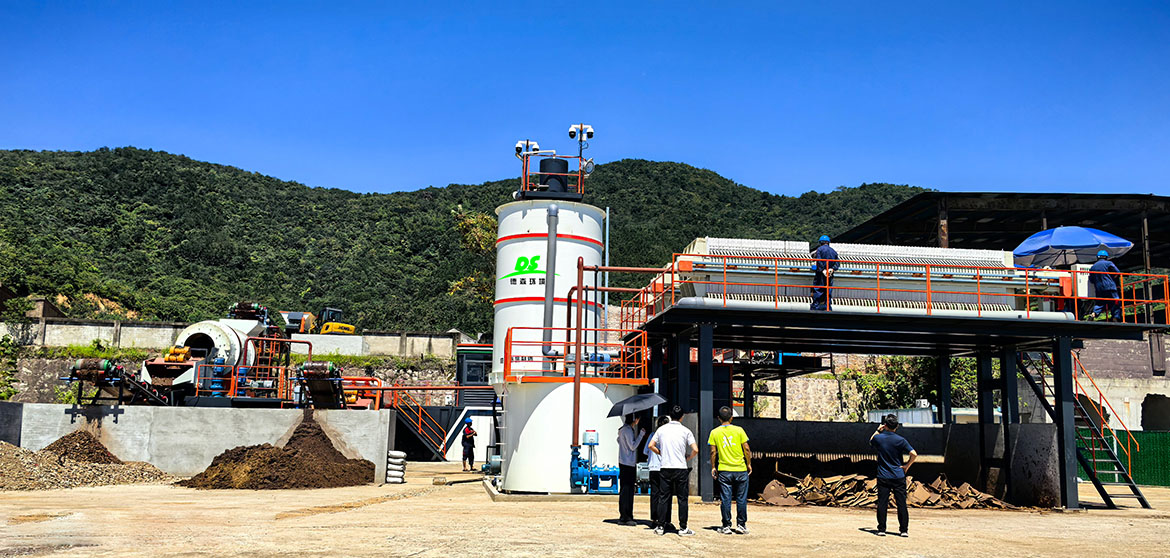
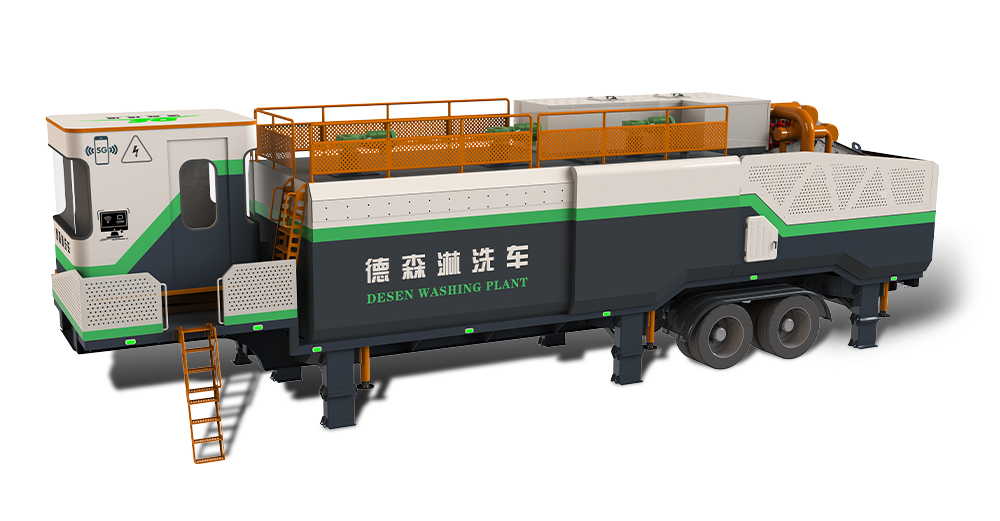
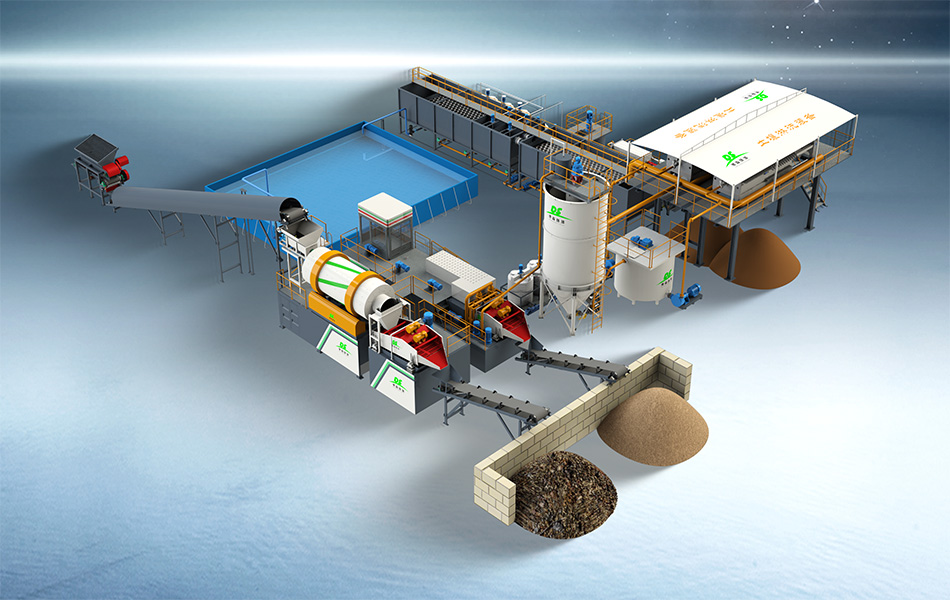
A modular soil washing line is a chain of machines that depends on every link: feed conveyor, washing drum, screening decks, cyclones for fines separation, and a closed process water loop behind them. When one link stops, the whole chain stops, and a campaign clearing several hundred tonnes a shift starts stockpiling soil instead. Bypass and redundancy design decides how often that happens. Desen Environmental builds modular and mobile washing lines for remediation contractors in Europe, the Middle East and Southeast Asia; the notes below cover how bypass routes and standby capacity are normally arranged.
Where a Washing Line Actually Stops
Operators who have run a washing plant for a season can name the two or three components that cost the most production, rarely the largest items on the invoice.
The components that stop the whole line
The line-killers are the drum drive and liners, screen decks and side plates, cyclone apexes and inlet wear parts, the main slurry pump, the filter press plate pack and cloths, the thickener rake drive, reagent dosing pumps, and the control system that interlocks them. A blocked cyclone stops material flow; a burned-out pump motor stops water flow, and without water the drum cannot wash. Either way the feed conveyor has to stop.
Wear items and hard failures are different problems
Wear parts can be planned. If maintenance tracks liner thickness, screen cloth hours and cyclone apex diameter, replacements go into planned shutdowns and on-site spares cover the rest. Hard failures - a gearbox, a motor winding, a PLC card, a rake drive - cannot be scheduled, and this is where redundancy earns its cost. A plant stocking only wear parts still waits two weeks for an imported gearbox where local stock is thin.
Three Levers: Bypass Routes, Parallel Units and Buffer
Redundancy is not one decision but three separate measures that can be combined at different cost levels.
Bypass routes around the wear points
A bypass lets the line continue at reduced performance while a component is repaired. Typical arrangements include a screen underflow bypass sending fines directly to the thickener, a secondary cyclone bypass returning slurry to the first stage, a filter press bypass routing sludge to a buffer tank while the press is opened, and a manual reagent bypass with a flow meter if the control valve fails. Bypass valves should be operable while running, sized to match the main line, and marked on the piping diagram so operators can find them quickly.
Duty and standby on pumps and dosing
Pumps are the lowest-cost place to buy redundancy. A duty and standby pair on the main slurry pump and on each dosing pump costs a fraction of a stopped line, and the standby unit can be run weekly to prove it. Larger items are handled by part-loading rather than full duplication.
- Slurry and water pumps in duty and standby pairs, with a changeover valve and separate starters.
- Two filter presses at 60 percent capacity each rather than one at 100 percent, so one can be opened and washed while the other presses.
- Two dosing pumps per reagent, sized so either can carry the full dose.
- A spare screen deck and a set of cyclone apexes held on site, with the tools to change them.
- An emergency power connection sized for pumps and controls, not for the whole plant.
Buffer capacity buys repair time
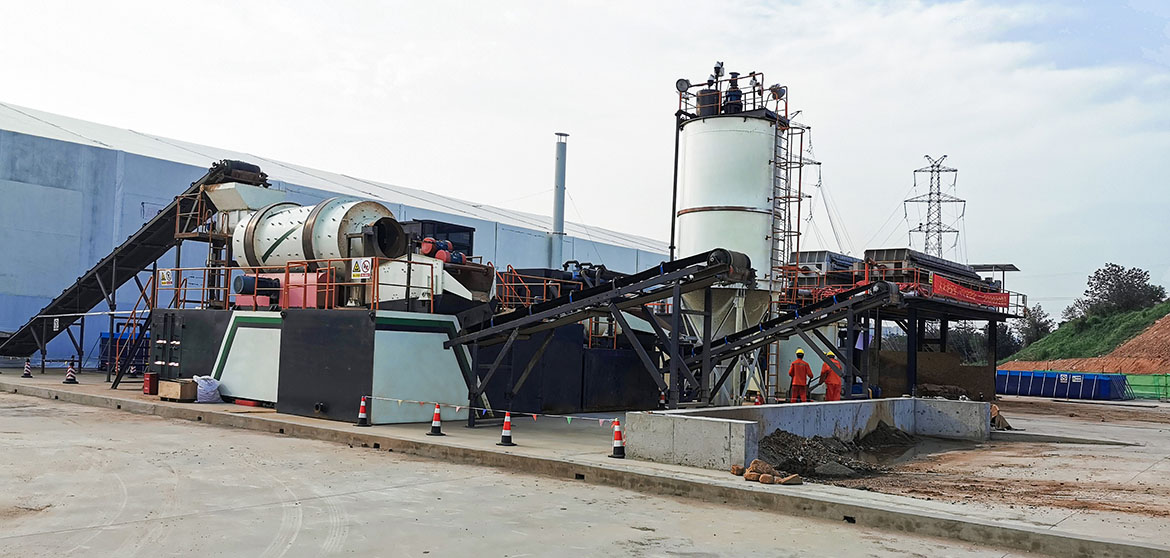
Buffer is the quietest form of redundancy. A clean water tank sized for four hours of consumption, a slurry buffer ahead of the filter press, and a stockpile area holding two days of feed convert a breakdown into a delay rather than a shutdown. Every hour of buffer is an hour of repair window. Where transport is unreliable, buffer absorbs late reagent deliveries.
Specifying Redundancy Without Overbuilding
Not every project justifies standby equipment; the decision follows from the cost of a stopped line against spare capacity.
Availability and the cost of downtime
Mechanical availability on a well-supported washing line commonly falls in the 85 to 92 percent range in a season; the gap between those figures comes from spares holding and from whether the plant has bypasses. Put a value on it: if a line treats 400 tonnes a shift and the alternative is haulage and landfill at a multiple of the washing cost, one extra week of production pays for a substantial amount of redundancy. On a campaign of a few weeks, the same money is better spent on spares.
What to put in the technical enquiry
Ask the supplier to mark bypass routes on the process and instrumentation diagram, to list which components have standby units, and to state the assumed mean time to repair for each major item. Request the recommended spares list with lead times, and confirm the control system allows a component to be isolated without dropping the interlock chain. Ask finally for the commissioning test proving each bypass works under load - a bypass never operated is a drawing, not a capability.
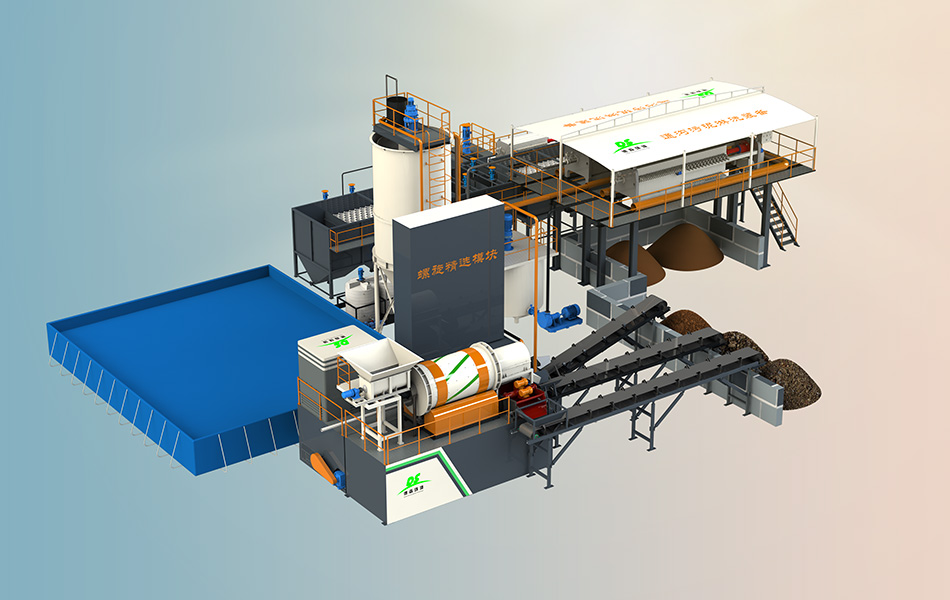
Bypass and redundancy choices cost least at the drawing stage and most after the plant is on site. Desen Environmental supplies modular and mobile soil washing equipment with documented piping arrangements and spares recommendations, so redundancy can be matched to the real failure points of the line; equipment scopes are published at materialwashing.com.