Mobile Washing Plant for Pipeline Corridor Soil: Washing Trench Spoil Along the Right-of-Way
A mobile washing plant staged along a pipeline right-of-way washes trench spoil for backfill. Spread-point planning, closed-loop water and verification before reuse.
Mobile Washing Plant for Pipeline Corridor Soil: Washing Trench Spoil Along the Right-of-Way
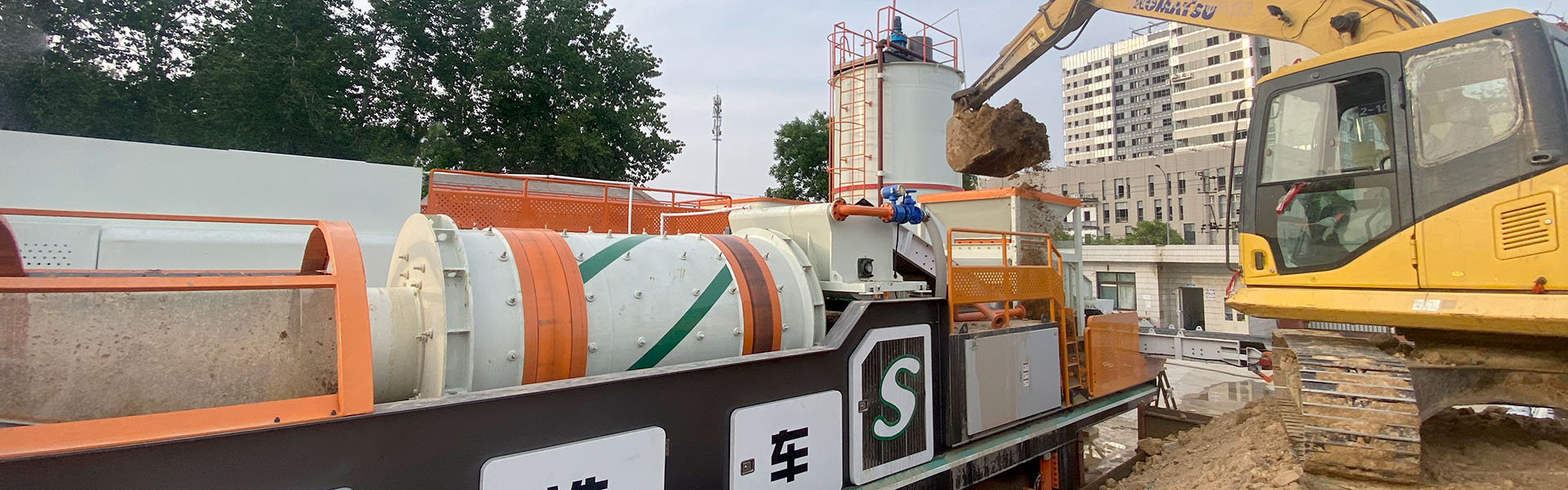
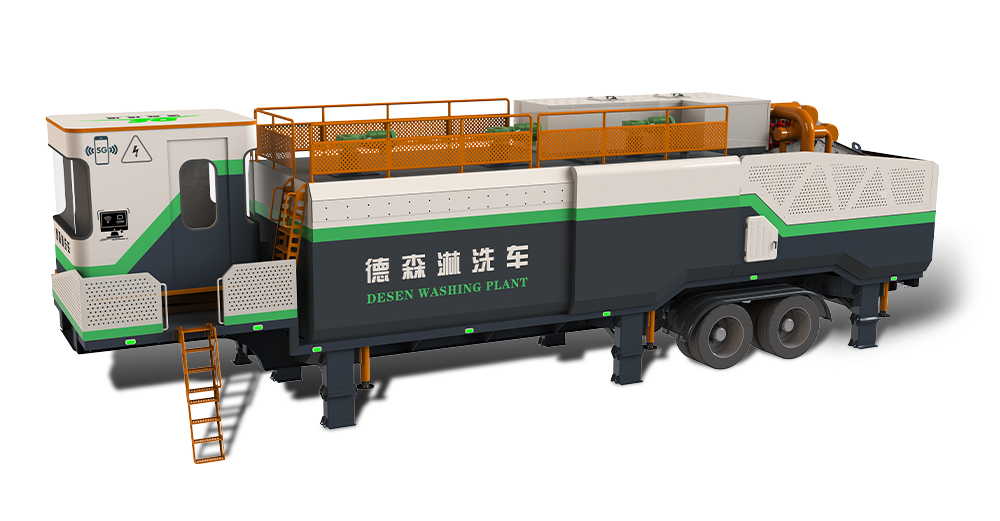
A pipeline project moves through land it does not own, in sections that open and close within weeks. Every kilometre of trench produces spoil, and where the route crosses old terminals, farm ground with a chemical history, or valve sites with a record of leaks, that spoil can fail the criteria for direct backfill or disposal. Hauling every metre off the corridor multiplies truck movements on a right-of-way that already carries pipe convoys, welding crews and stringing equipment. A mobile washing plant arranged along the route offers another way: wash trench spoil at staged points and return clean material straight to the ditch behind the plant. Desen Environmental builds mobile and modular washing equipment for remediation and pipeline contractors in the Middle East, North America, Europe and Southeast Asia.
Why Pipeline Corridor Soil Is Worth Washing
What trench spoil actually carries
Not every kilometre of a pipeline trench is contaminated, but the problem sections are predictable. Near terminals, pump stations and valve sites, spill history leaves hydrocarbons in the trench profile. Where the line crosses old agricultural land, pesticide and herbicide residues sit in the top metre. In Gulf coastal sections, saline fines complicate reuse. In all of these cases the contamination concentrates in the fine fraction, which is exactly what a washing line separates: coarse sand and gravel scrub clean and screen out, while silt and clay carry the contaminant load to dewatering.
The volume logic of a linear project
A large-diameter trench moves a few hundred cubic metres of spoil per kilometre, and a several-hundred-kilometre project multiplies that into hundreds of thousands of tonnes. Off-site disposal prices every tonne twice: once for transport over long distances from a remote corridor, and once for the receiving facility's gate fee. Washing inverts that balance. With 70 to 80 percent of the mass usually recovered as clean coarse fractions, only the fine contaminated tail leaves the corridor, and the coarse material goes straight back into the trench as engineered backfill.
Staging a Mobile Washing Plant Along the Route
Spread points and soil turnaround
Pipeline crews already work in spreads, and a washing operation should follow the same logic. The plant sets up on a temporary pad beside the active trench, receives spoil from a few kilometres ahead, and releases washed backfill to the reinstatement crew working behind. When production welds move on, the plant relocates to the next pad. Keeping each haul under ten kilometres is what makes the economics work; once spoil travels further than that, the case shifts back toward disposal.
Water supply and the closed loop on a narrow corridor
Water is the constraint that decides whether corridor washing is practical. A closed-loop circuit recirculates process water through lined ponds or steel tanks, so the plant draws mainly make-up water rather than a continuous supply. In desert sections that make-up water can come from tanker deliveries or an approved borehole; in wetter terrain, dewatering the fine tail recovers most of it. The fine fraction is dewatered on site so it can be containerized for approved off-site disposal without free liquid.
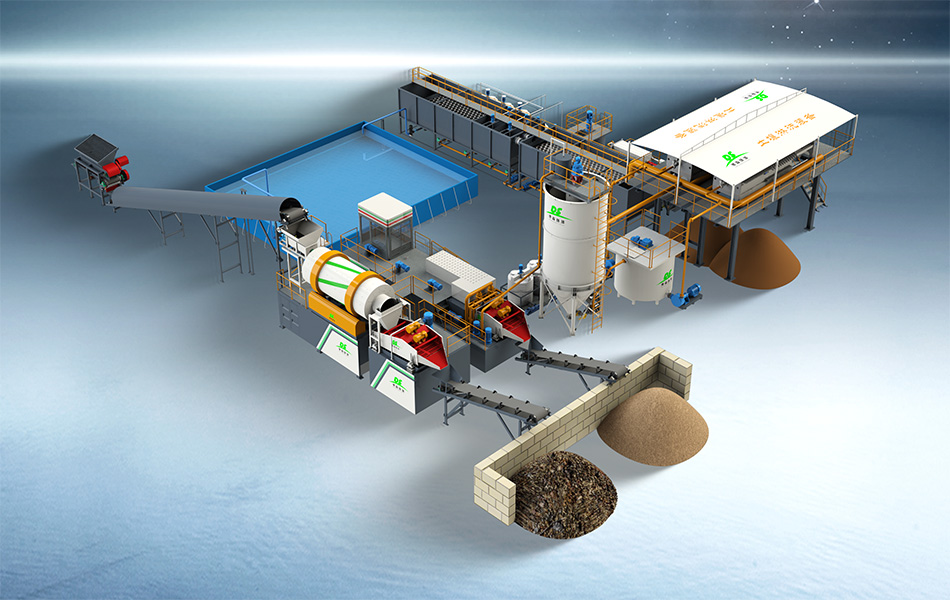
Getting Washed Soil Back Into the Ditch
Verification before backfill
Reusing washed spoil as trench backfill depends on documentation, and the proof should be organized by spread point. Each campaign starts with background sampling of the incoming spoil, continues with testing of the washed coarse fractions against the project's reuse criteria, and ends with a disposal record for the dewatered fines. Regulators in North America and the Middle East generally accept this structure, but they expect the chain from stockpile to backfill to be traceable.
- Entry testing for each spread point, so contamination is mapped before the plant mobilizes
- A screen cut and wash program matched to the fraction that actually carries the contamination
- A closed water circuit with lined containment, sized for the campaign length between relocations
- Verification testing of washed fractions against the project backfill specification
- A documented disposal route for dewatered fines, agreed with the receiving facility before work starts
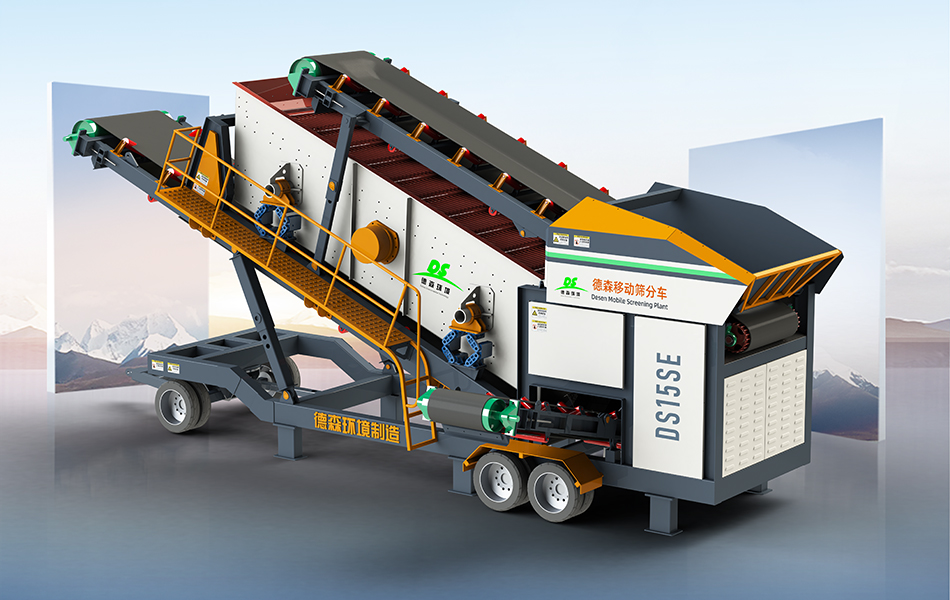
Planned this way, corridor washing keeps the spoil, the plant and the backfill inside the same few kilometres of ditch, instead of turning a pipeline project into a haulage project. For contractors pricing trench spoil management in the Middle East or North America, Desen Environmental supplies mobile washing and screening equipment sized for spread-based deployment, together with the process support needed to set testing and water management up correctly from the first pad.