Mobile Screening Plant Excavator Feed Rate Control: Matching Bucket Cycles to Screen Capacity
How to set and hold a workable feed rate on a mobile screening plant: capacity limits, deck symptoms of overfeed and underfeed, hopper buffering and excavator cycle targets.
Mobile Screening Plant Excavator Feed Rate Control: Matching Bucket Cycles to Screen Capacity
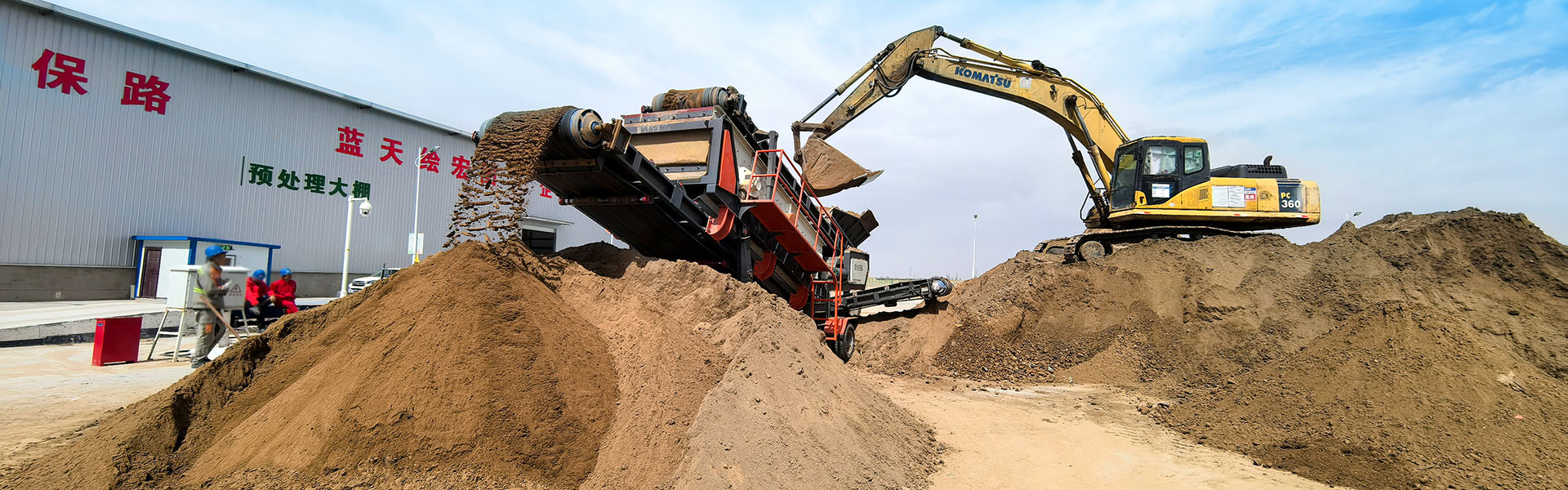
On most remediation sites the screening plant is not short of material, it is short of an even feed. The excavator operator works to a cycle learned on a loading job, the screen works to a deck area and an aperture, and the gap shows up as carry-over on the oversize belt, spillage at the hopper and a plant running half loaded. This article covers realistic feed rates, deck symptoms of overfeed and underfeed, and cycle targets that keep an excavator inside the plant's working window.
What the Screen Can Accept, and What It Cannot
A screening plant is rated in tonnes per hour, and that rating assumes a graded, free-flowing feed at a stated bulk density and moisture content. Change either and the rating moves: clay-bound soil at 18 percent moisture will blind a deck that handles dry sandy gravel without complaint. The first step in feed rate control is therefore not a brochure figure, but a short trial: three feed rates, twenty minutes each, weighing the products and recording what the deck looks like at each rate.
Throughput is a mass rate, not a bucket count
The operator cannot weigh a bucket, so the practical translation is volume per cycle. A 1.2 cubic metre bucket of moist silty soil is roughly 1.6 to 1.9 tonnes; the same bucket of dry gravel is nearer 2.0 tonnes. A swing, dump and return cycle takes 20 to 30 seconds on a short radius, which puts a single machine at 200 to 340 tonnes per hour if it never waits. Most plants in the 100 to 200 tonne per hour class cannot absorb that, so the operator needs a target. A card taped in the cab reading one bucket every 45 seconds works better than an instruction to feed it steady.
The real limit may sit ahead of the deck
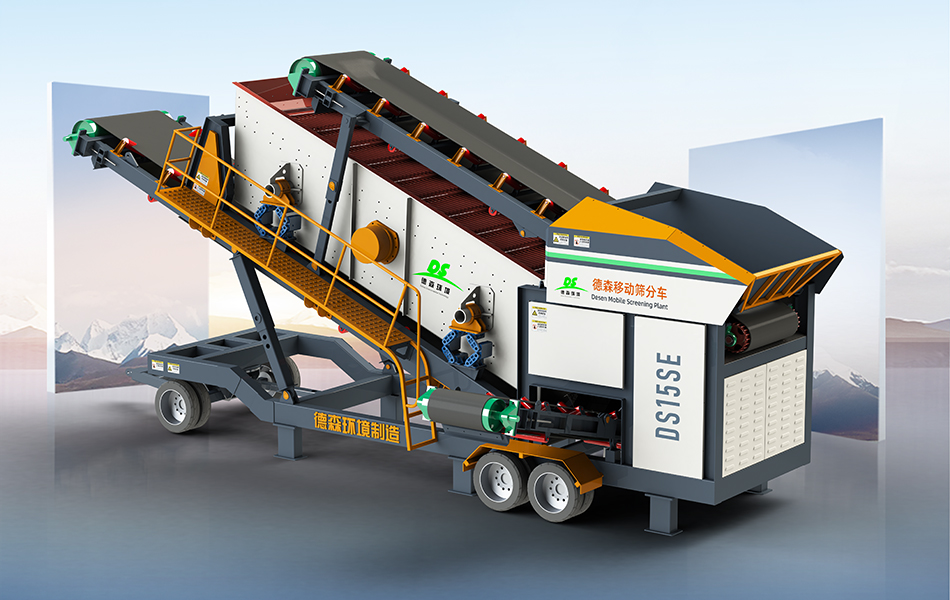
Before blaming the deck, check the two components upstream. The feed hopper has a live volume, often 3 to 6 cubic metres on a mobile unit, and that volume buffers the difference between bucket delivery and screen demand. If the hopper empties between buckets the deck is underloaded; if it stays brim-full with material pushing over the side plates, the buffer is doing nothing. The feed conveyor is the second limit: at a given belt width and speed, a bed deeper than about twice the largest lump size will start to roll back at the transfer point.
Reading the Deck: Overfeed and Underfeed Symptoms
Experienced operators read the deck from the discharge end, and the signals are consistent across machine types.
- Material riding over the last panel: fines carried out with the oversize mean the bed is too deep. Reduce feed before changing the aperture.
- Blinding: damp fines packing the apertures into a polished surface points to moisture as much as to rate; slowing the feed alone will not fix wet clay.
- Spillage at the hopper: material pushed over the side plates by the bucket is a loading technique problem, not a capacity problem.
- Idle belts: transfer points running with bare belt for part of every cycle mean the plant is underfed, and the cost per tonne climbs.
Overfeed is the more expensive error
Both directions cost money, but not in the same way. Overfeed appears as wear on screen media, belt edges and bearings, and as carry-over that contaminates the fine product. Underfeed appears in the fuel and labour line. Running slightly light is the safer error.
Organising the Excavator Cycles
Buffer stock instead of direct feed
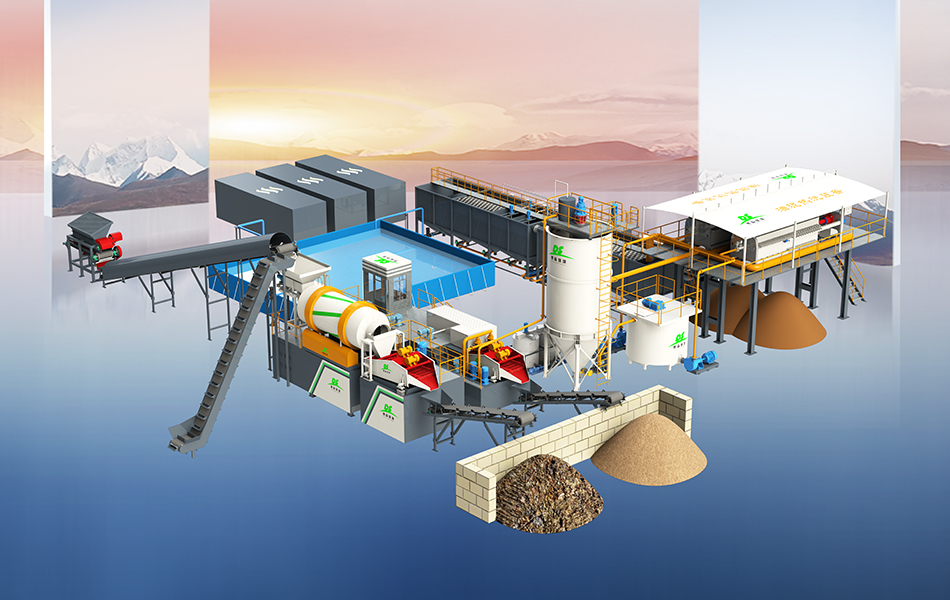
Direct feed from the excavator face to the hopper works only when both machines handle the same material at the same rate. On most sites a stockpile built by a loading shovel, with the excavator drawing from it on a short repeatable radius, gives a more even feed and keeps the plant running through refuelling and operator breaks. A pile sized for about two hours of throughput is the usual compromise between space and continuity.
Bucket size and passes per cycle
A bucket wider than the hopper opening forces the operator to dump off-centre, and material lands on the side plates instead of the grizzly. Where the excavator is oversized for the plant, short passes with a partly filled bucket give better control than full buckets at long intervals: the feed stays continuous and the hopper level stays visible.
Communication and shift rhythm
The operator usually cannot see the deck from the cab. A horn signal or radio call from the plant operator on the discharge side when carry-over appears, plus a fixed stop each hour to inspect the deck and belt, catches most feed problems early. Log the feed rate and deck condition at every inspection; after a week the record shows which material type needs which cycle time, and the numbers can be handed to the next crew instead of being relearned.
Feed rate control is not a control system. It is a set of numbers agreed before the first bucket and checked at fixed intervals. Done properly, it protects screen media, keeps the fine product clean and yields a throughput figure that can be quoted to a client with confidence. Desen Environment supplies mobile screening and washing plants with feed hoppers matched to the downstream deck, and can advise on cycle targets for a given soil type.