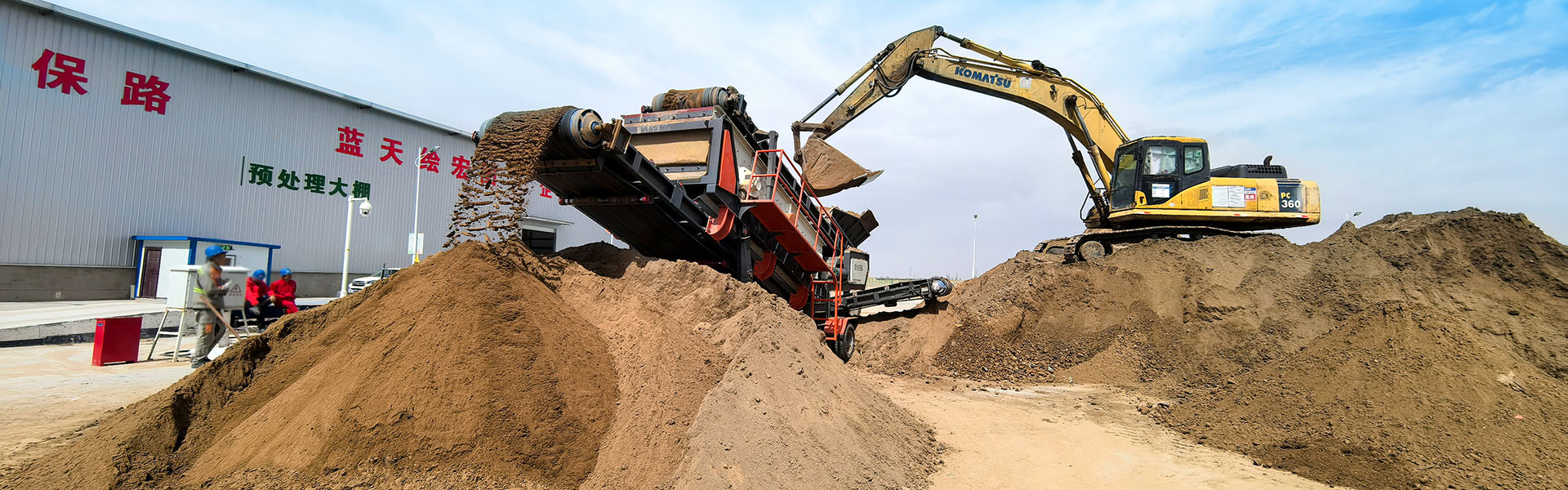
Mobile Screening Plant Oversize Handling: Where the Coarse Fraction Goes
How to plan the oversize stream of a mobile screening plant: cut point economics, tramp protection, crush-and-return, reuse routes and reject stockpile layout on site.
Mobile Screening Plant Oversize Handling: Where the Coarse Fraction Goes
Every screening cut produces two streams, and most project planning is written for only one of them. The fine fraction gets the washing line, the testing budget and the reuse permit. The oversize fraction — everything above the screen aperture — is often an afterthought, trucked away whenever the pile under the reject conveyor gets in the way. Depending on the cut size, oversize can be 20 to 40 percent of the feed mass, and its destination decides a large share of the haulage and disposal cost. This article walks through how a mobile screening plant handles the coarse fraction.
Why the Oversize Fraction Decides Screening Economics
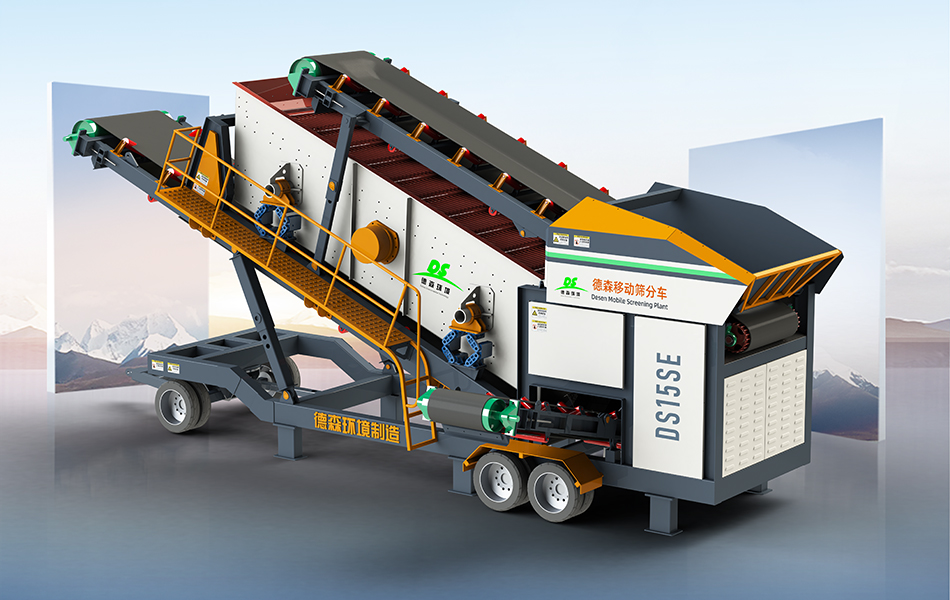
A mobile screening plant is usually bought to protect a washing line: remove the stones and debris the washer cannot accept, and feed it clean, graded material. If the coarse stream has no planned route, the screen keeps running while the reject pile grows, and the excavator that should be feeding the screen pushes oversize aside instead.
Set the cut point with the oversize share in mind
The aperture choice is an economics decision, not just a process one. Cut finer and you send more mass to the washer, which cleans well but consumes water, reagents and time. Cut coarser and the fine fraction shrinks while the oversize pile grows. The useful exercise is to run a lab gradation on composite samples and calculate, for two or three candidate apertures, what tonnage lands on each side of the deck. Moving the cut point by one size class often shifts several hundred tonnes between the streams — frequently the margin between a profitable and a marginal job.
Tramp metal, boulders and deck protection
Oversize handling starts before the coarse fraction leaves the machine. Demolition feed carries rebar, wire and the occasional boulder that can tear a screen panel or stall the reject conveyor. Practical defenses are cheap: a grizzly section ahead of the first deck, a magnet over the feed conveyor head pulley, and an operator habit of standing the plant down when an oversized object reaches the deck. A torn panel does not just cost the panel — it lets coarse material into the clean fraction and puts the downstream washing batch at risk.
Practical Routes for the Coarse Fraction
Once oversize is off the deck and on its own stockpile, it needs a destination. Five routes cover almost every contaminated land project:
- Crush and return. Break oversize below the cut point and re-screen it, sending the new fines to the washer. Useful when the coarse fraction is cemented soil.
- Wash as coarse aggregate. Stones above the washing cut point are often the easiest fraction to clean, and a scrub section can bring them to reuse quality.
- Reuse untreated. Where testing proves the coarse fraction is clean, crushed rock and cobble can be reused on site or sold.
- Dispose at landfill. The fallback for genuinely contaminated oversize — costly per tonne, but far cheaper once the screen has cut the volume down.
- Stockpile for later processing. A graded oversize stockpile is working inventory, not waste, provided it sits on lined ground with runoff control.
Crushing oversize before it re-enters the screen
The crush-and-return route is the one most often underestimated. It needs a crusher matched to the oversize size class, a way to meter crushed material back into the feed without overloading the screen, and discipline about what may return: material that failed washing the first time should not simply recirculate, or the plant polishes the same tonnes twice. Where rebar and timber are common, a sorting belt ahead of the crusher saves it from frequent stops.
When oversize is already a product
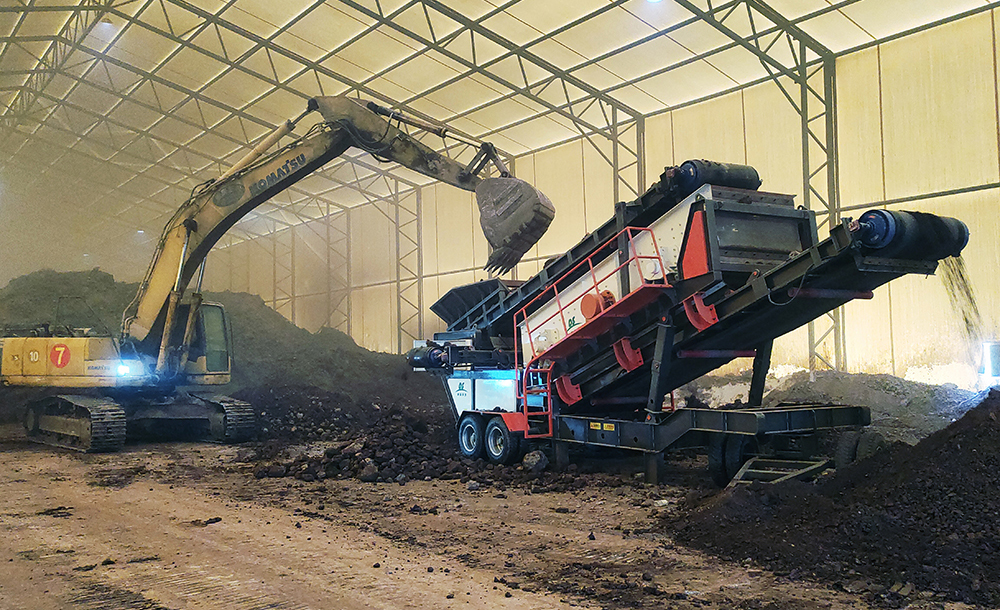
Check the oversize stream before committing it to any treatment route. On many brownfield and dredged sediment projects the coarse fraction carries little contamination, because metals and organics bind to silt and clay — exactly what the screen has already removed. If verification sampling clears it, oversize becomes drainage stone, site fill or a saleable aggregate, and the washing plant concentrates on the fraction that actually needs chemistry.
Layout and Workflow That Keep Oversize Moving
A mobile screening plant earns its keep on tight sites, and oversize handling is where a poor layout shows up within the first hour of production.
Position the reject conveyor with a plan
Before the plant levels itself, decide which side the reject stockpile will grow on, how many days of production it must hold, and where the loader will stand when it clears the pile. Reject conveyors on mobile screens are usually adjustable in angle and height; setting them so the pile forms away from the feed approach prevents the classic failure where the oversize heap blocks the excavator's swing path.
Schedule the reload, not just the feed
Oversize leaves the deck at a steady rate, so plan the reload — to trucks or back to a crusher — as a scheduled task with its own cycle time. A simple rule: reload whenever the reject pile reaches one day of screen production, and never let it exceed what the loader can clear in a single shift. Run that way, the coarse fraction stays a managed stream and the plant keeps both outputs under control.
Desen Environmental builds wheeled and tracked mobile screening equipment alongside its modular soil washing lines, and supports project teams in planning both output streams before the plant ships.