Mobile Screening Plant Track Undercarriage Maintenance: Keeping the Running Gear Alive Between Projects
A maintenance routine for a mobile screening plant: track tension, rollers and sprockets, trailer axles, storage practices and the spares box to carry on a remediation site.
Mobile Screening Plant Track Undercarriage Maintenance: Keeping the Running Gear Alive Between Projects
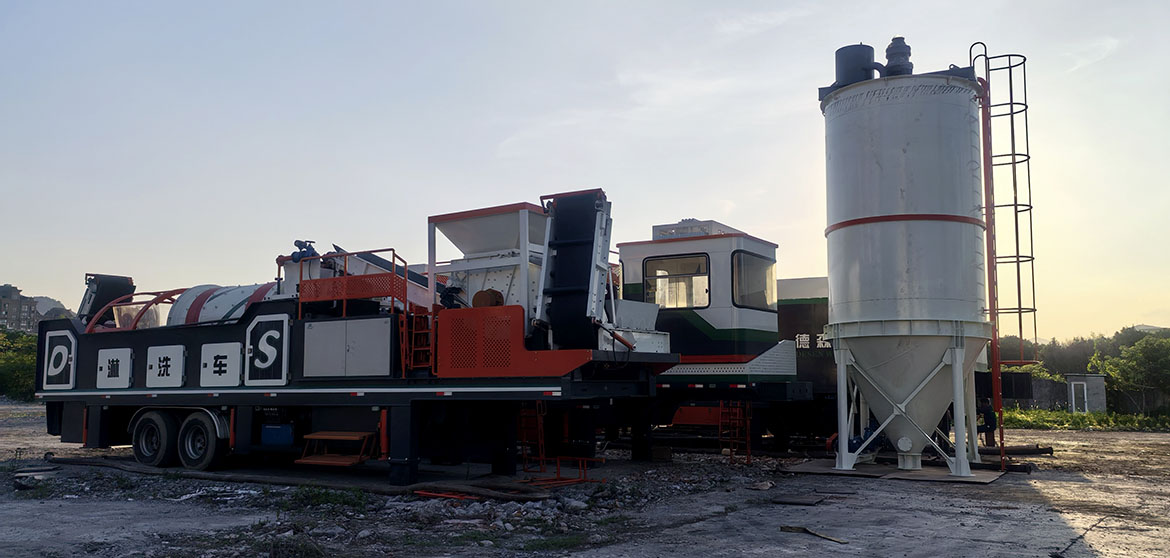
A mobile screening plant earns its keep by moving. It crawls from stockpile to stockpile, repositions across soft ground at the end of every feed shift, and travels between projects on whatever roads the site has. All of that load passes through the undercarriage - tracks, sprockets, rollers and idlers on tracked units, or axles, tires and outriggers on trailer-mounted formats. Undercarriage problems rarely show up as sudden failures; they build up quietly over hundreds of operating hours and then stop the plant on the one day the schedule has no room for downtime. A short, disciplined maintenance routine keeps that risk small.
Why the Undercarriage Decides Screening Availability
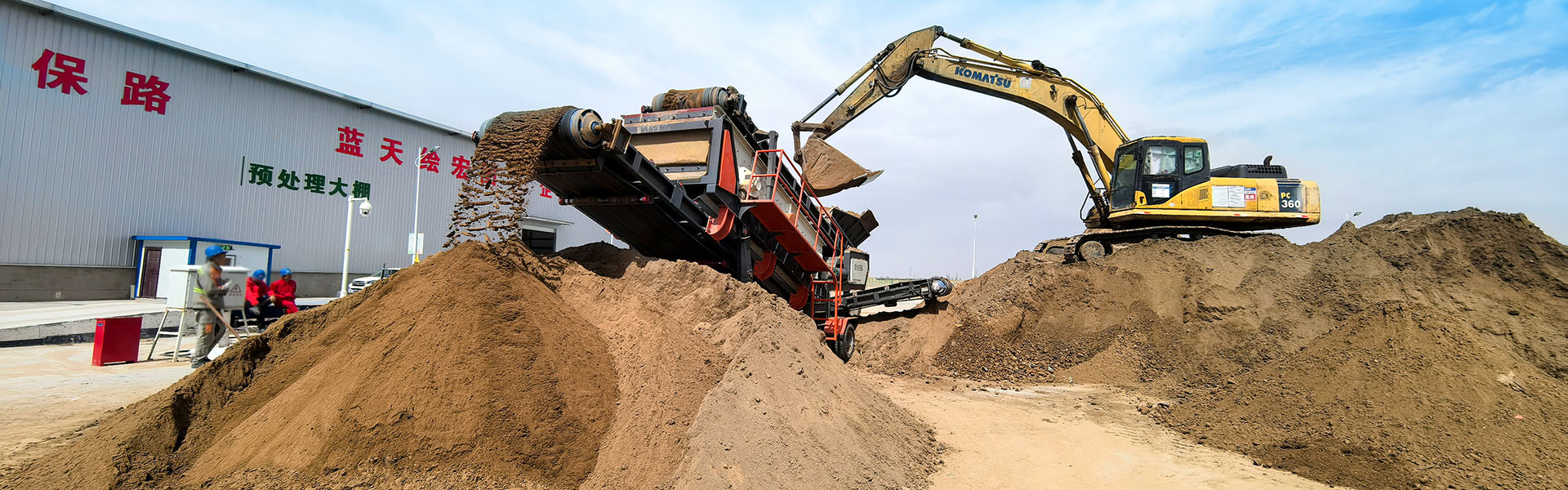
Screening wear on the deck or the belts is visible within a shift. The running gear is different: the damage accumulates underneath, out of sight, and every meter of travel over abrasive ground adds to it. Contaminated soil sites make the problem worse, because stockpiles sit on compacted rubble, sand and mud rather than prepared surfaces, and the plant often has to travel while partially loaded.
Where a tracked chassis wears first
On tracked screening equipment, four parts take most of the punishment. Sprocket teeth lose their profile and begin to skip under load. Carrier and bottom rollers wear on their flanges, and one seized roller flats-spots the track pad above it. Track tension drifts loose over the weeks, and a slack track can derail during a turn on uneven ground. Finally, packed material between the track frame and the chain - clay, wet sand, rebar offcuts - hides the wear and holds moisture against the metal.
The daily walkaround that protects the week
Five minutes at the start of each shift is enough to catch most developing problems:
- Track tension: check the sag at the mid-point against the mark in the manual, and adjust with the grease fitting or release valve as specified.
- Sprocket condition: look for hooked or asymmetric teeth, the first visible sign of a stretched track chain.
- Rollers and idlers: spin each by hand where possible; a rough or dry bearing is far cheaper to replace today than after it seizes.
- Track frame cleanup: dig out packed clay and debris at the end of the shift, especially before a freezing night.
- Leak checks: oil weeping around a hub or travel gearbox means the seal has already failed and the unit is running dry.
Transport, Storage and Trailer-Mounted Formats
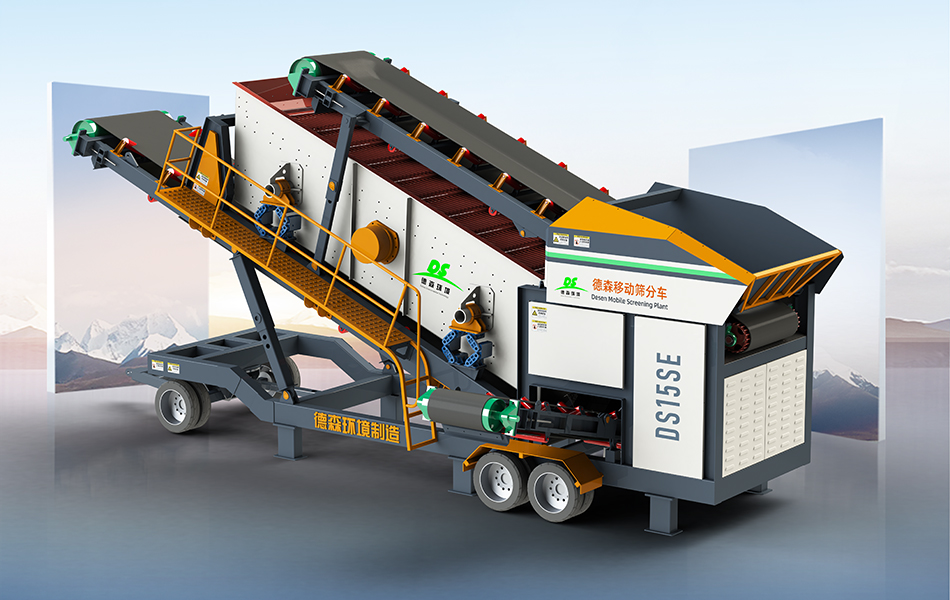
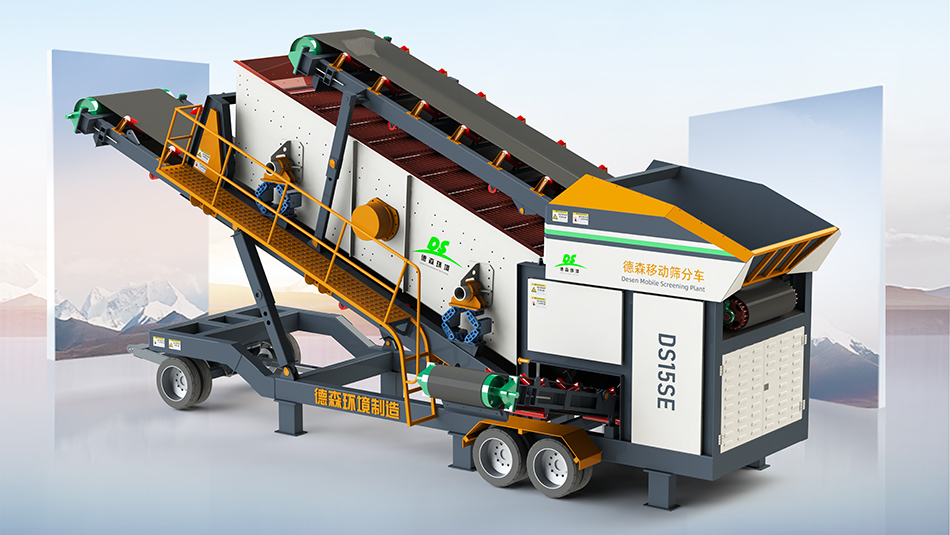
Not every mobile screening plant runs on tracks. Trailer-mounted screening equipment, such as the DS15SE, travels on a road chassis and relies on axles, tires and outriggers once it reaches the site. The running gear differs, but the maintenance logic is the same: the parts that touch the ground decide availability.
Road transport checks before the move
Before a trailer-mounted plant goes on the road, walk the chassis with a transport checklist: tire pressure and tread, brake and lighting connections, outrigger and tool retention, and the drawbar eye for hairline cracks. On site, re-check axle alignment after any tow over rough ground - a bent axle shows up first as uneven tire wear and, later, as tracking drift during repositioning.
Off-season storage for the running gear
Between projects, park the plant on timber mats or a gravel pad rather than bare mud. Relieve track tension slightly where the manual allows it, rotate drums and rollers by hand once a month to redistribute the grease films, and keep the underside dry. Corrosion from standing water trapped in the track frame is the most common reason a plant that ran well in autumn struggles to move in spring.
Turn Maintenance Into a Project-Phase Routine
Hour-based service beats calendar dates
Undercarriage wear follows operating hours and ground conditions, not the calendar. Tie the service plan to the hour meter: inspect at every 50 hours, measure chain elongation at 250 hours, and plan sprocket and roller replacement against the wear limits published in the manual. On a two-month remediation campaign, that normally means one measurable undercarriage inspection per week.
The spares box to carry on site
- Track tension grease and a spare tension cylinder seal kit
- One or two spare bottom rollers for the wearing side
- Track pads and bolts matched to the chain pitch
- Axle and hub seal kits for trailer-mounted formats
None of these items costs much against the price of a plant that cannot reposition while the excavator stands idle. Desen Environmental supplies undercarriage wear parts alongside each mobile screening plant, so the spares box can be packed before the equipment leaves the factory.
Run the walkaround every shift, measure wear against hours instead of dates, and the undercarriage stays a routine line item instead of a project-stopping failure.