Supplier Project Reference Verification: Checking the Case List Before You Sign a Soil Washing Contract
How to verify a soil washing supplier's project references: match case lists to public records, interview plant owners, compare configurations and turn verified evidence into contract terms.
Supplier Project Reference Verification: Checking the Case List Before You Sign a Soil Washing Contract
Every supplier selling soil washing equipment can produce a list of completed projects. In the narrow sense the list is usually true: those projects existed. What the list does not show is which ones actually ran to design throughput, which ones were still commissioning when the owner stopped waiting, and which ones needed rebuilding after the first season. Verifying references before you sign takes a few hours of calls and document work, and converts a marketing claim into evidence you can file with your purchase records.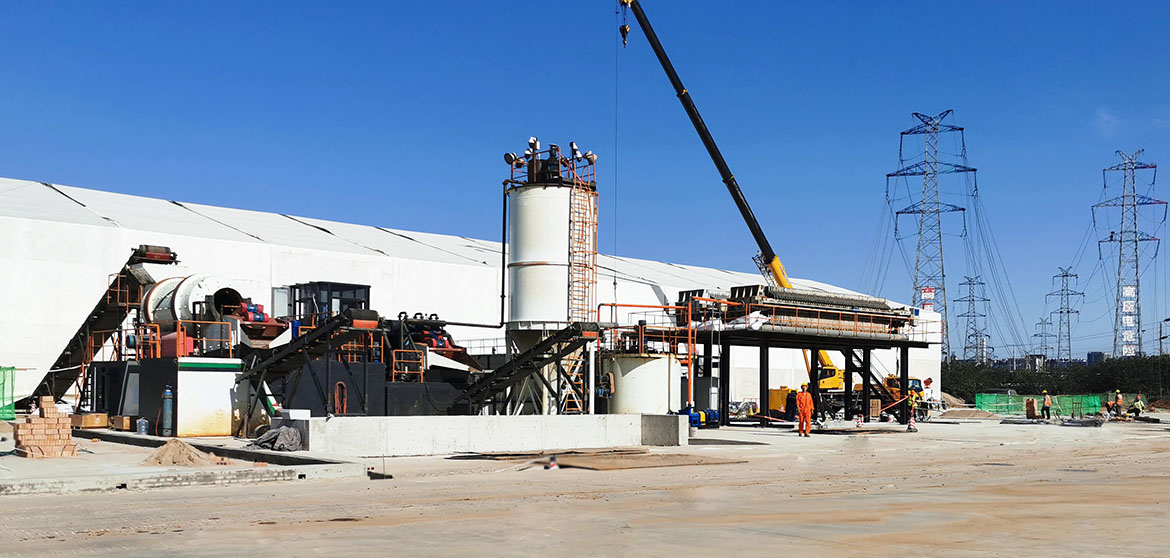
What a Reference List Does and Does Not Tell You
The gap between delivery and performance
A delivered plant and a working plant are not the same thing. A project marked completed may mean the equipment was unloaded and erected, not that it reached the contracted tonnes per hour on that site's soil. In Europe and North America, where budgets are audited and schedules are contractual, that difference decides whether your own project finishes on time. When you read a reference list, separate three categories: projects delivered, projects commissioned, and projects that ran a full season at design capacity. The third category predicts your own outcome.
Why lists drift away from reality
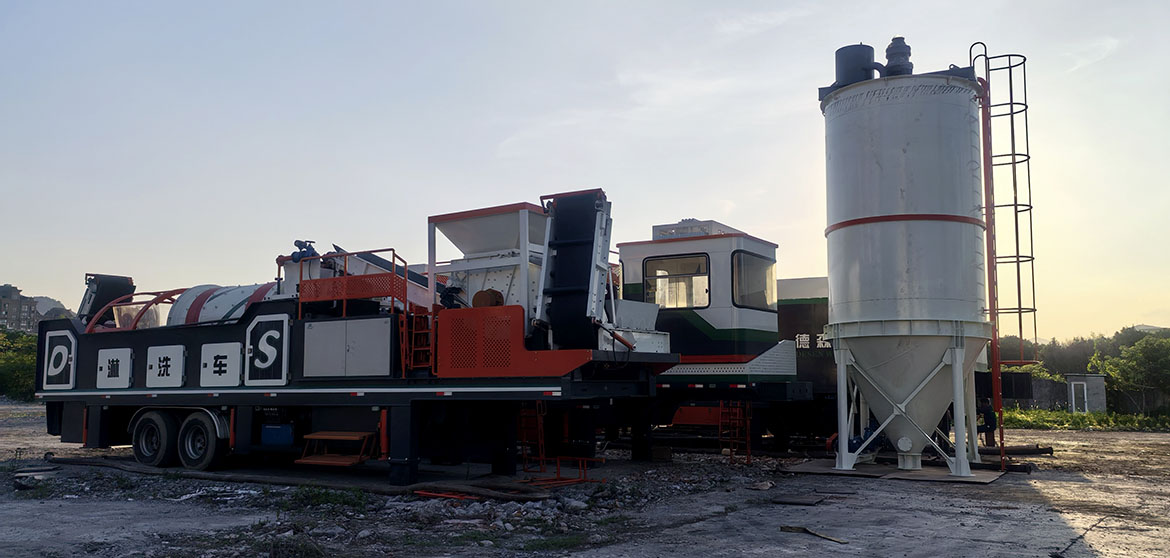
Lists drift for ordinary commercial reasons. A reference from five years ago may describe a configuration the supplier no longer builds. A flagship project may have been operated with a level of crew and reagent support that a buyer of a single line cannot expect to replicate. Sometimes a photo on a supplier's page belongs to a project where it provided one conveyor rather than the plant. None of this is necessarily dishonest, but each of it moves the evidence further from the equipment you are about to order.
A Verification Procedure You Can Run in a Week
Cross-check the list against independent records
Start with what is public. Remediation projects in Europe and North America leave public traces: regulatory filings, tender awards, customs records, trade press, sometimes the consultant's own case study. Match at least two or three entries on the supplier's list to records published by someone other than the supplier. For each matched entry, note the client name, the tonnage, the contaminants and the completion year. Where an entry cannot be matched to anything, flag it and ask the supplier directly for the client contact.
Call the owners, not just the named contact
Ask for two or three client references with direct contact details, including at least one project that did not go smoothly. In the call, use specific questions rather than invitations to praise. What throughput did the plant actually reach, and how long did it take? What failed in the first three months, and how quickly were spare parts shipped? How close was the washed soil to the reuse criteria on the first sampling round? Would you buy from the same supplier again without changing the specification? Owners answer these questions; they rarely answer a general request to rate the supplier.
Compare the reference configuration with what you are quoted
Put the verified evidence next to your own quotation. If the reference project ran a drum scrubber with multi-stage washing on sandy soil, and your quotation offers a different configuration for clay-bound metals, the reference supports the supplier's competence but not the design you are buying. That is not disqualifying, but it should change the conversation: ask for a reference matching your soil type and tonnage, or ask where that design has been proven before.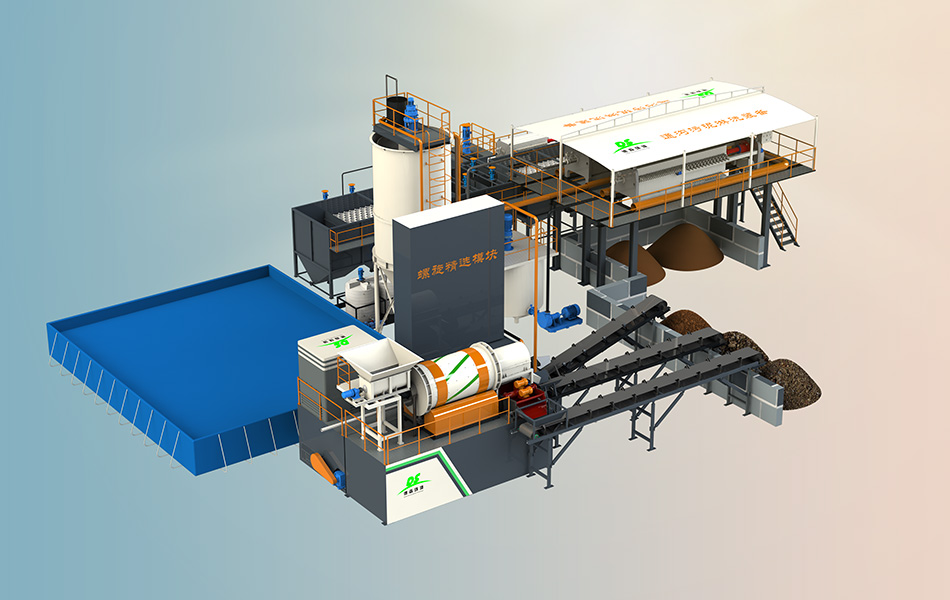
Ask about the project that went wrong
Every supplier with a decade of projects has one that underperformed. A supplier who claims otherwise is filtering, and the filter is exactly what you are trying to see around. Ask what the most difficult project was, what caused the shortfall - soil chemistry, feed preparation, water balance or operator practice - and what changed in the design afterwards. A clear account of a failure, together with the design change that followed it, is stronger evidence of competence than a page of unqualified successes.
Turning Verified References Into Contract Protection
Verified references should not stay in your email folder. Two simple moves carry the evidence into the contract. First, attach the verified reference projects as an annex, stating the throughput and washing performance they achieved as the basis of design for your own plant. Second, tie the factory acceptance test and the commissioning milestones to those same figures, so the performance you verified is the performance you accept at handover. If a supplier resists this step, that resistance is itself an answer to the verification exercise.
- At least two reference entries matched to records published by someone other than the supplier
- Two owner contacts interviewed directly, including one project that had problems
- Written notes comparing the verified configuration against your own quotation
- The supplier's account of its most difficult project and the design change that followed
- Agreed annex wording that turns those references into the basis of design
Reference verification will not remove every risk in an equipment purchase, and it does not replace a factory visit or a pilot test. What it does is replace the supplier's curated story with a set of facts you have checked yourself. For a washing plant that will stand on your site for years, that difference is worth a week of phone calls.