Soil Washing Service vs Owning a Plant: A Make-or-Buy Decision for Remediation Contractors
How contractors decide between subcontracting soil washing and buying a plant: what each route really costs, the pipeline questions that settle it, and hybrid rental or contract-washing terms.
Soil Washing Service vs Owning a Plant: A Make-or-Buy Decision for Remediation Contractors
Every contractor facing a contaminated soil project meets the same question: subcontract the washing to a specialist who brings equipment to site, or buy a plant and run it in house. The question looks commercial, but the answer is largely technical. It depends on how much soil you have, how often you will have it, what your site allows, and who will be at the control panel at seven in the morning.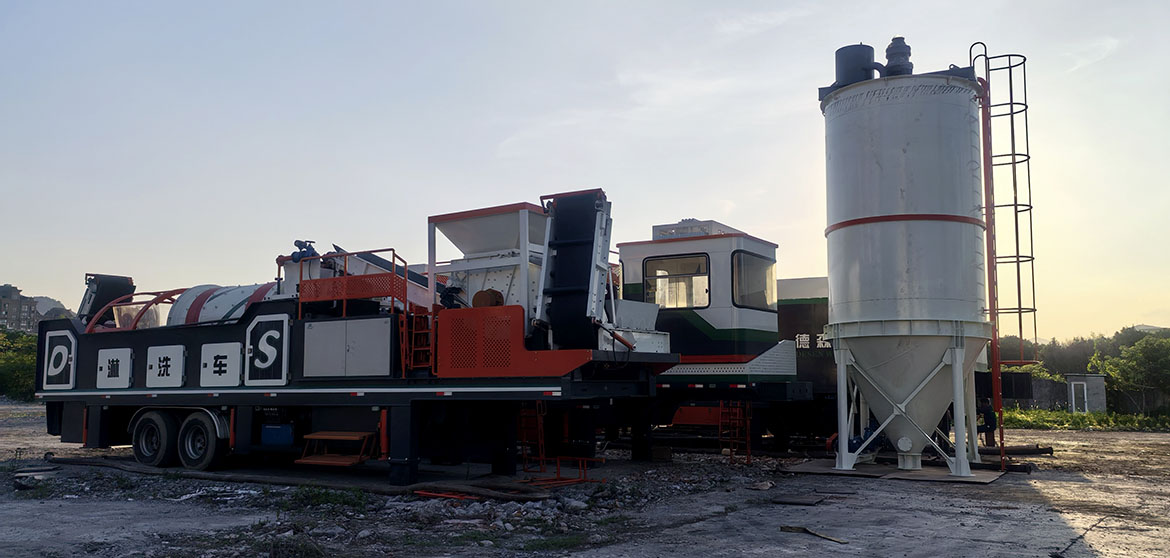
The Two Cost Structures Cannot Be Compared Line by Line
A service quotation and a plant purchase order are usually compared as two numbers, which is the first mistake. One is a rate per tonne that covers somebody else's capital, labour, mobilisation and risk. The other is a capital commitment that leaves all of that on your books. Comparing them properly means rebuilding both into a cost per tonne over the same tonnage and the same period.
What sits inside a subcontract rate
A washing subcontractor quotes per tonne or per month, and that figure carries plant depreciation, the crew, reagent, water and power, mobilisation between sites, a maintenance reserve and a margin for difficult soil. You pay for all of it, but only while the plant stands on your site. When the tonnage stops, the cost stops. For a contractor with one site and a defined excavation programme, that characteristic alone often settles the argument.
What sits outside the purchase price
An owned plant is quoted as equipment, freight, spares and commissioning. The costs that follow are less visible: foundations and hardstanding, a power connection or generator, water supply and settlement, an operator and a mechanic on payroll whether or not the plant is running, reagent inventory, wear parts, and the months when the line sits idle between projects. Depreciation continues through all of them. Owners who budget only the purchase price usually discover the remainder during the first year of operation.
Reading Your Own Pipeline Before You Commit
The decision turns on the shape of your future workload rather than any single project. Three questions do most of the work: tonnes per year across all sites, how far apart those sites are, and how much of the work sits where a fixed installation is impractical.
Where the service route usually wins
Subcontract washing makes sense when tonnages are modest and intermittent, when the site is tight or the programme short, when the soil chemistry is uncertain and a pilot will decide the process, or when the work is spread across a region where hauling a plant between sites costs less than building one. It also suits contractors who want the remediation scope without adding a process plant to their balance sheet.
Where ownership usually wins
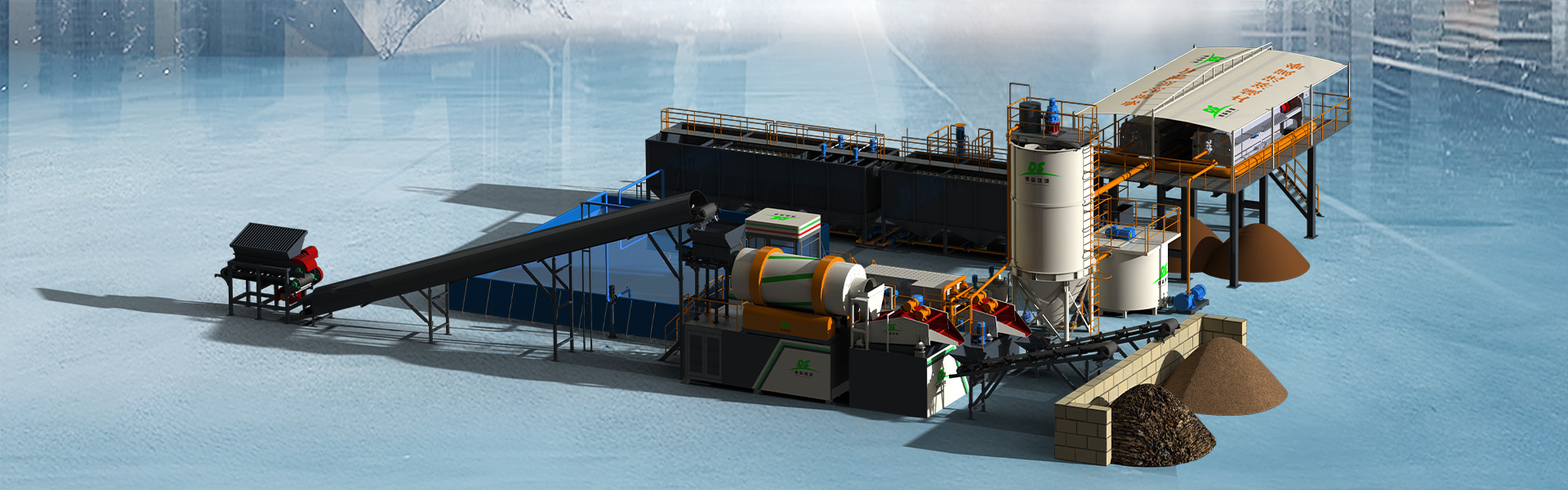
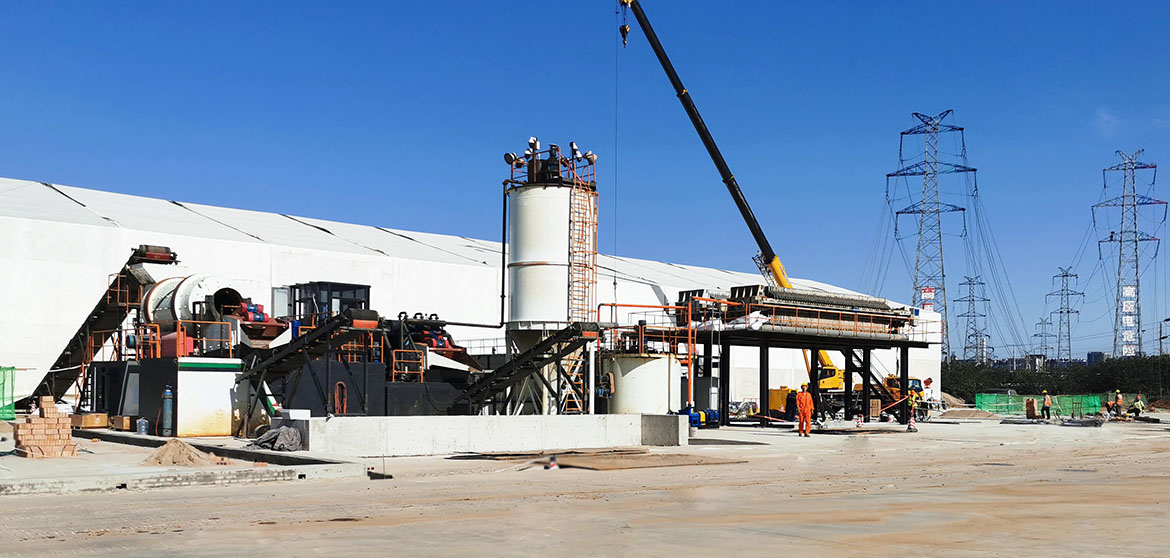
Ownership pulls ahead when you can see a multi-year pipeline of similar soil within a workable radius, when the same line can serve several sites in sequence, when reagent and water costs can be managed in house, and when the plant is designed to be moved rather than rebuilt. A modular or trailer-mounted line that relocates in days changes the arithmetic, because it converts a fixed asset into something closer to a mobile one.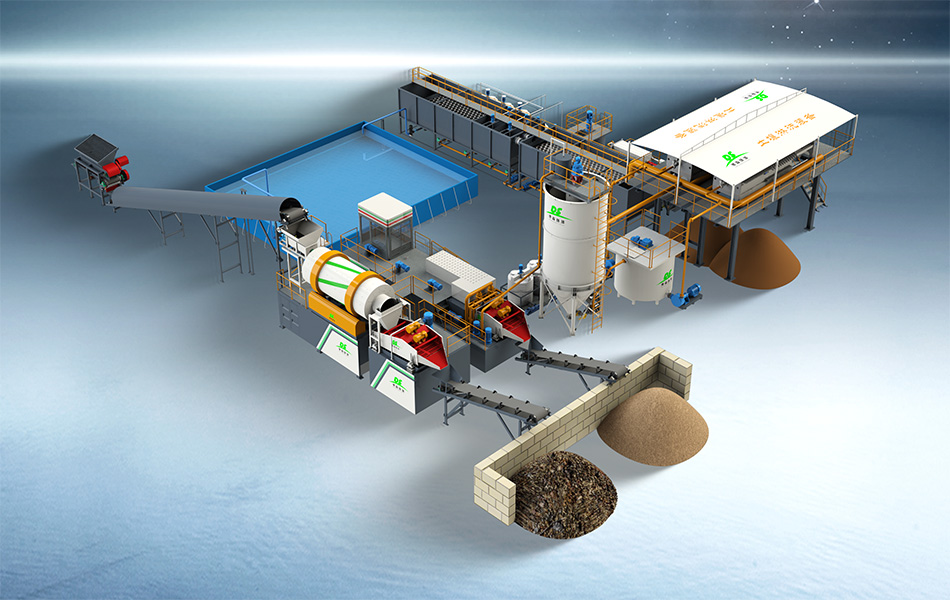
Inputs worth writing down before either quotation is opened:
- Tonnes per year, and the minimum annual tonnage that keeps a plant busy
- Number and distance of sites over the next three years
- Soil types and contaminant mix, and how much process variation they imply
- Site constraints: space, power, water, discharge consent and noise limits
- Available operators, and whether you can recruit them or must train them
- Cost of capital set against the subcontract rate
Put those numbers into one cost per tonne model spanning three years. The route that looks cheaper in year one is not always the route that looks cheaper in year three, and the difference is usually plant utilisation, not equipment price.
Hybrid Routes and the Clauses That Protect Them
Rental with an option to buy
Many suppliers will rent a plant with part of the rental credited against a later purchase. This is useful when you expect a pipeline but cannot commit capital yet. The clauses that matter are how the credit is valued, the condition standard the plant must be returned in, who pays for wear parts, and whether the purchase price is fixed at signature or indexed later.
Contract washing on your own site
A middle path is to bring a specialist's plant onto your site and run it under your permit, with your excavators feeding it. You keep control of the earthworks and the programme while the process risk stays with the washing contractor. Define who owns the water supply, who handles the filter cake, what availability is promised, and how output quality is sampled and disputed.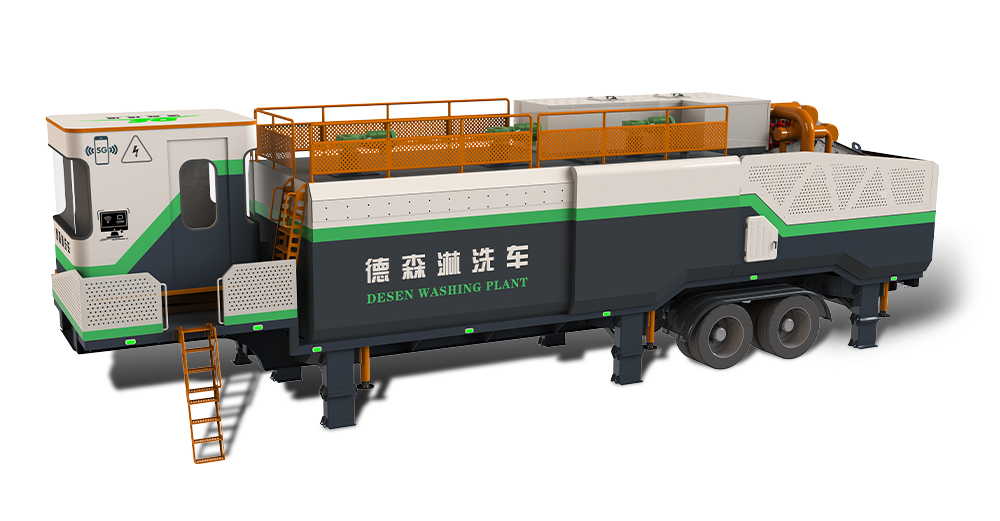
None of these routes is permanent. Contractors commonly start with subcontract washing, test the process and the local market, then buy a plant once the tonnage is proven. The reverse happens too, when a contractor exits remediation and sells a plant that still has years of service left. What matters is that the first decision is made with a three-year view, not a single-project view. Desen Environmental builds modular and trailer-mounted washing plant for contractors who intend to move equipment between sites, and supports pilot testing before a purchase decision; the equipment range is described on materialwashing.com.