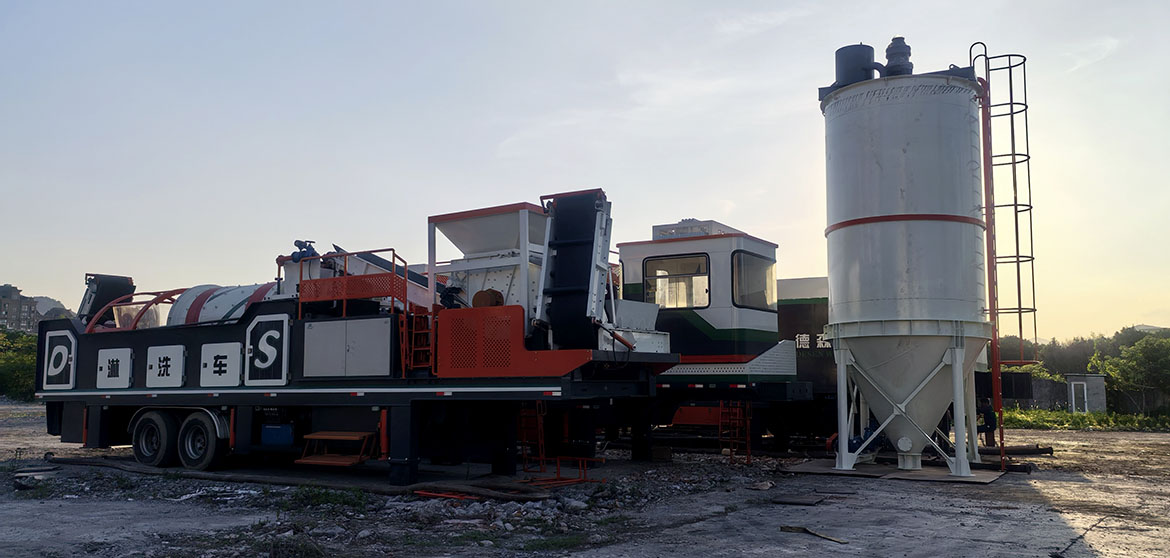
Trommel Screen Blinding and Mesh Cleaning: Keeping the Drum Cutting on Wet Contaminated Soil
Trommel screens lose capacity when wet sticky soil blinds the mesh or particles peg the apertures. Learn the causes, on-site cleaning methods and panel maintenance that keep the drum cutting.
Trommel Screen Blinding and Mesh Cleaning: Keeping the Drum Cutting on Wet Contaminated Soil
A trommel screen earns its place on remediation sites because a rotating drum handles wet, sticky and variable feed better than a flat vibrating deck. That advantage holds only while the apertures stay open. In northern Europe, drums on autumn excavation soil can blind within a shift; in Southeast Asia, humidity and clay-rich fill do the same in a different season. Blinding and pegging are the two failure modes behind most complaints that a screen has quietly lost capacity. This article covers what each mode is, how to clean the mesh on site, and how to keep the drum cutting.
What blinding and pegging actually are
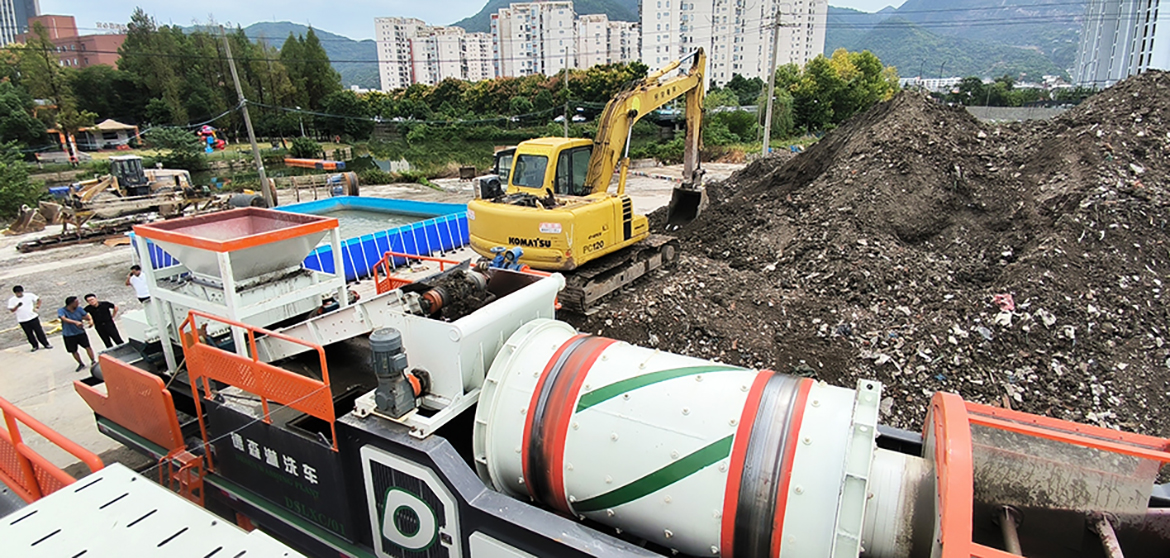
The two terms are often used interchangeably, but they have different causes and different fixes. Telling them apart takes one look at the drum surface.
Blinding: the apertures close from the inside
Blinding is a coating. Fine, wet, clay-bearing material sticks to the wire or panel surface and builds a plaster layer around each aperture. The cloth is intact, but the open area shrinks from perhaps forty percent toward zero. The tell-tale sign is at the discharge, where the oversize stream comes off wet and loaded with material that should have fallen through. Blinding then accelerates, because a coated surface holds moisture and grabs the next layer of fines more easily than clean wire.
Pegging: particles wedge into the apertures
Pegging is a blockage. Particles slightly larger than the aperture - angular gravel, brick fragments, root fibers - wedge into individual holes and stay there, usually near the feed end where the bed is deepest. It shows as polished spots where trapped particles grind against the wire, in a patchy pattern rather than a uniform coating.
How the loss shows up in the numbers
A blinded drum does not stop; it decays. Undersize that cannot pass reports to the oversize conveyor, so the washing plant receives coarser feed and every downstream unit works harder. Slowing the feed to protect the washers doubles the loss, because the plant now screens less material and washes it worse. Tracking the fines content of the oversize fraction once per shift gives an early warning; by the time tonnage visibly drops, the drum has been running half-blind for days.
Cleaning the mesh on site
The cleaning options are simple. The discipline is running them before capacity collapses, not after.
- Scraper bars and brush rollers. Fitted along the drum shell, they strip the coating continuously. Effective on clay blinding, less so on fibrous pegging.
- Water spray bars. A spray at the feed end and another at mid-drum keep the surface wet enough that fines cannot dry and cement onto the wire. Position nozzles so spray does not push fines back through the apertures.
- Reversed rotation. Where the drive supports it, a few minutes of backward running dislodges wedged particles and lifts off dried layers. Plan it into shift changeover.
- Manual cleaning at shift change. Rod scraping and panel knocking from the access walkway remain the most reliable method for pegged apertures, and they double as a panel inspection.
- Feed blending. Mixing dry, friable material into wet sticky feed at the stockpile raises the handling floor of the whole stream.
Match the method to the material
Clay-rich blinding responds to scrapers and water. Fibrous feed - topsoil, rootlets from brownfield green waste - blinds by weaving across apertures and needs brushes or manual pulling. Frozen blocks behave like oversize until they thaw and then smear; on winter sites, schedule cleaning after the thaw.
Timing: clean on a schedule, not on a crisis
Treat a step change in drum motor current as the cleaning trigger - a blinded or pegged drum carries more material, and current climbs before tonnage falls. Keep scraper and spray systems on a daily routine, and record panel condition at every manual clean. Cleaning at fixed points costs minutes; after the line has slowed, it costs the shift.
Preventing blinding before it starts
Panel tension and condition
A loose screen cloth flexes under every stroke, and flexing traps particles at the apertures - a loose panel blinds faster than a tight one on the same feed. Check tension weekly, look for hook wear at the panel edges, and replace panels in matched sets so the drum surface stays uniform. Repeatedly pegged and scraped panels end up with polished, enlarged apertures in the busiest zone.
Feed preparation and aperture strategy
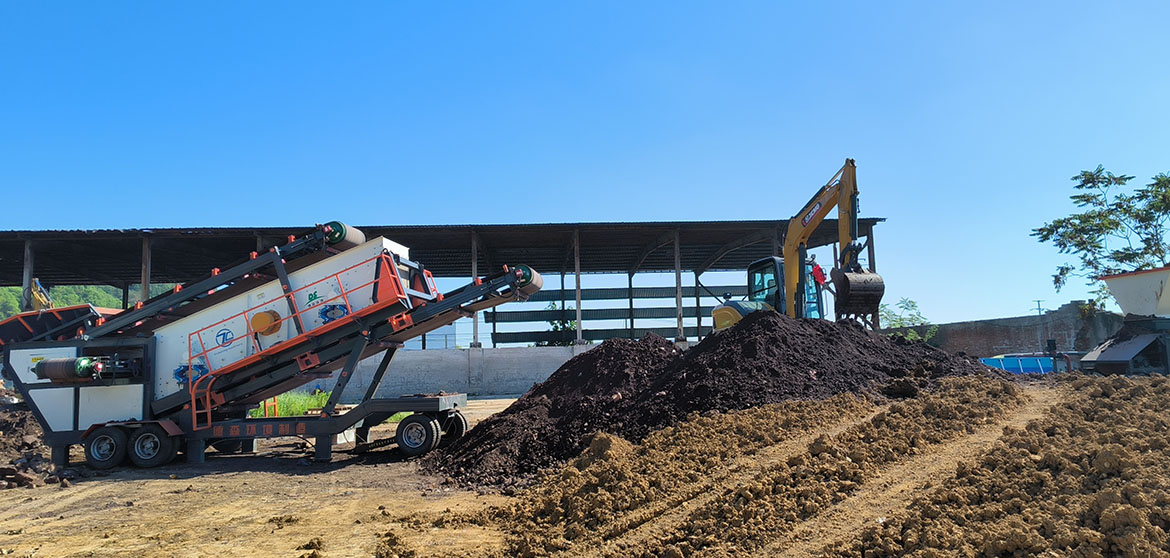
Most blinding starts upstream. Homogenizing sticky pockets into the general feed, and scalping out the lumps that would peg the apertures, keep the drum working on material it was chosen to handle. When specifying a mobile trommel screening plant for wet European or Southeast Asian feed, confirm four details: replaceable screen panels rather than a welded cloth, water connection points at the feed end and mid-drum, safe access to the drum shell, and a reverse-capable drive.
Blinding and pegging are not defects of the trommel concept; they are the operating cost of running it on the material it is needed for. A drum that is scraped, sprayed and inspected on a schedule holds its cut for the length of the campaign. On Desen Environmental mobile screening units, panels, spray connections and access walkways are laid out so the crew can run this routine.