Mobile Screening on Soft or Frozen Ground: Setting Up a Screening Plant That Stays Level
Soft or frozen ground decides whether a mobile screening plant can run level. Practical guidance on bearing pressure, mats and platforms, deck blinding and thaw.
Mobile Screening on Soft or Frozen Ground: Setting Up a Screening Plant That Stays Level
Most discussions about mobile screening plants start with aperture size and throughput. On real remediation sites, the question that decides whether the plant runs at all is simpler: can the ground carry it? A screening plant is a vibrating machine on a frame with a small number of contact points, and those points concentrate load. Soft fill, saturated clay and frozen crusts all change how that load is transferred. This article sets out how Desen Environmental approaches screening plant setup on difficult ground, from reading the site to building a platform and running through frost.
What soft ground does to a screening plant
Ground failure under a screening plant rarely looks dramatic. It appears as a rut, a slight lean, a conveyor that starts tracking to one side.
Where the load actually goes
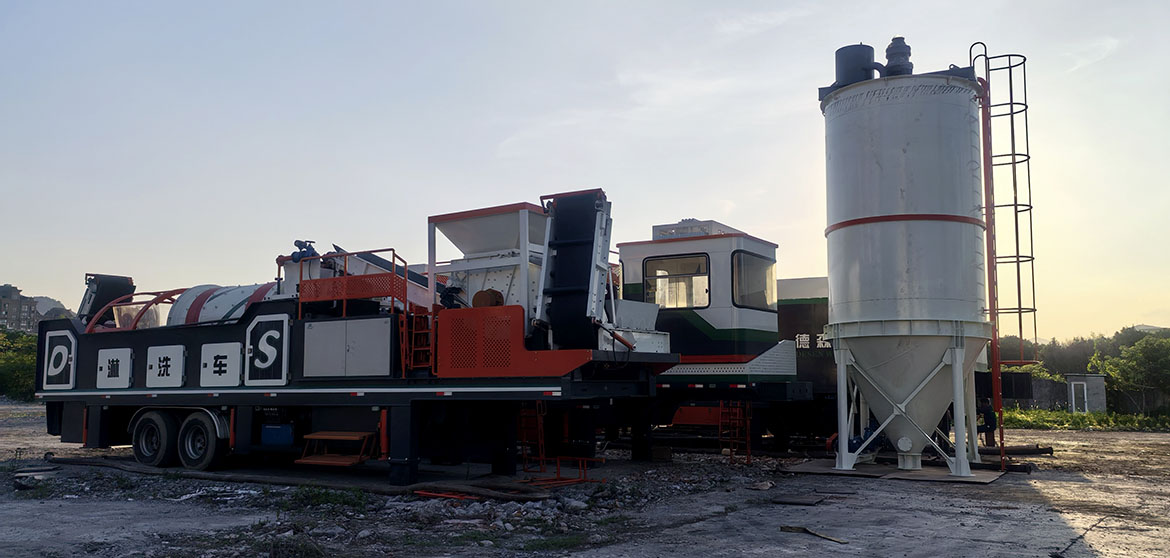
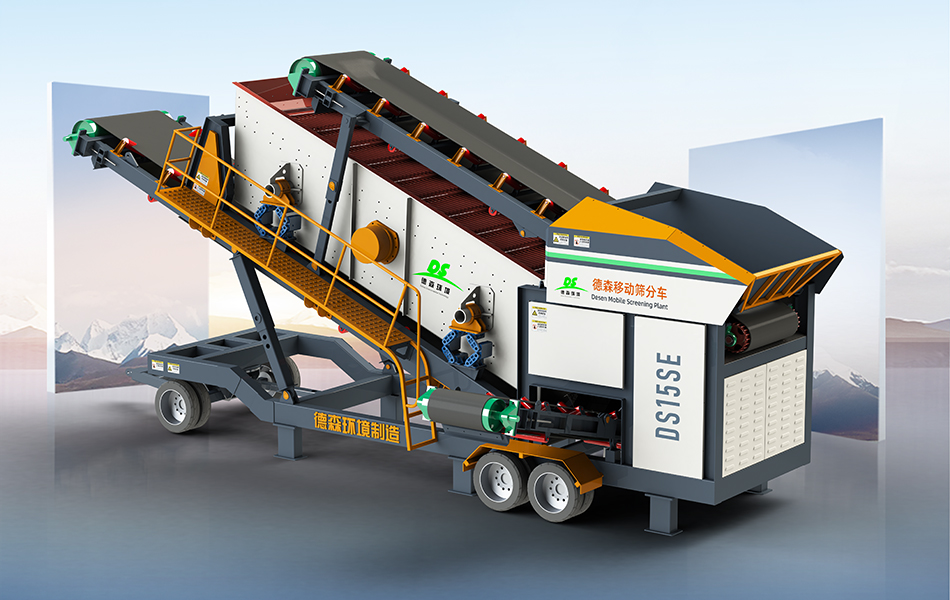
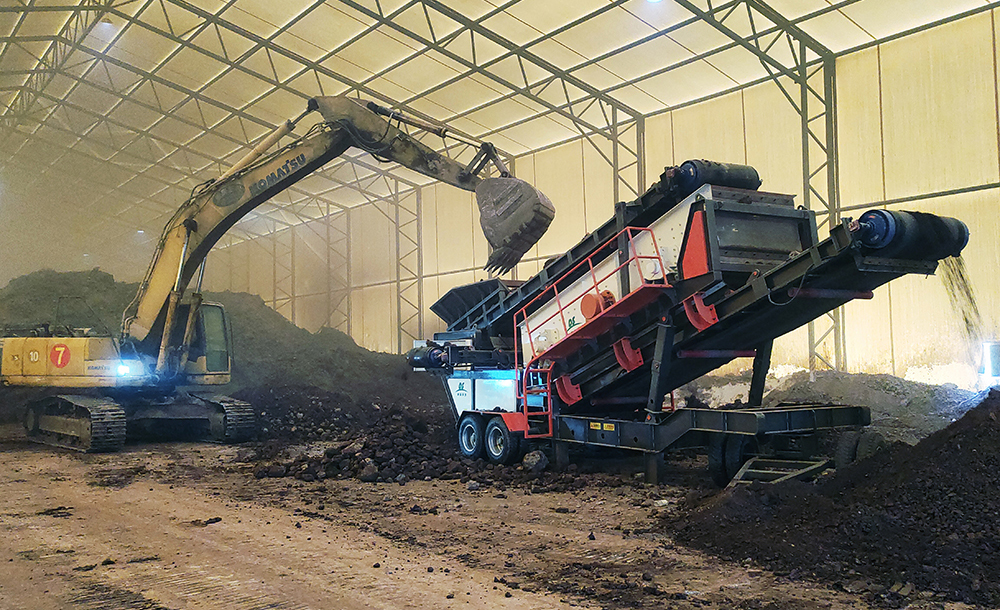
A trailer-mounted plant such as the DS15SE carries its working weight on a few jack legs and on the axles. Each leg pad may take several tonnes, and the screen box adds a dynamic component on every stroke. A tracked unit spreads load along the tracks, but pressure is still concentrated under the rollers. Either way, the ground beneath those points has to hold without yielding. When one corner settles, the frame twists. Screen boxes are built to vibrate in one direction, not to be pre-loaded by a distorted chassis, so bearing life shortens and belt alignment drifts. The problem compounds: a leaning plant discharges onto a stockpile that grows unevenly, which pushes the operator to move the plant again.
Reading the site before the plant arrives
The lowest-cost survey is a walkover after rain, looking for standing water, excavator ruts and ground that has been backfilled. Remediation sites are often exactly the places where soil has been excavated, replaced or disturbed, so a trial pit or dynamic probe at each corner position is worth the hour it takes. Plate bearing tests give a number, but an experienced operator reading rut depth often reaches the same conclusion. Buried services and old drainage runs are the other hazard: a leg placed over a drainage trench will settle as soon as the trench fills with water.
Preparing a platform that holds
The platform does not need to be a concrete slab. It needs to distribute load, drain, and stay stable for the whole campaign.
Mats, geogrid and stone
Timber or composite mats under each leg are the routine answer, and they work when the subgrade is firm enough to support the mat. On soft clay or fill, mats alone sink. A geogrid layer with compacted granular fill, extended at least a metre beyond the plant footprint, spreads load into the subgrade and keeps the surface from rutting. The platform is graded with a fall away from the plant so water leaves rather than ponds under the legs, because saturated ground loses bearing capacity quickly.
Positioning for feed, discharge and access
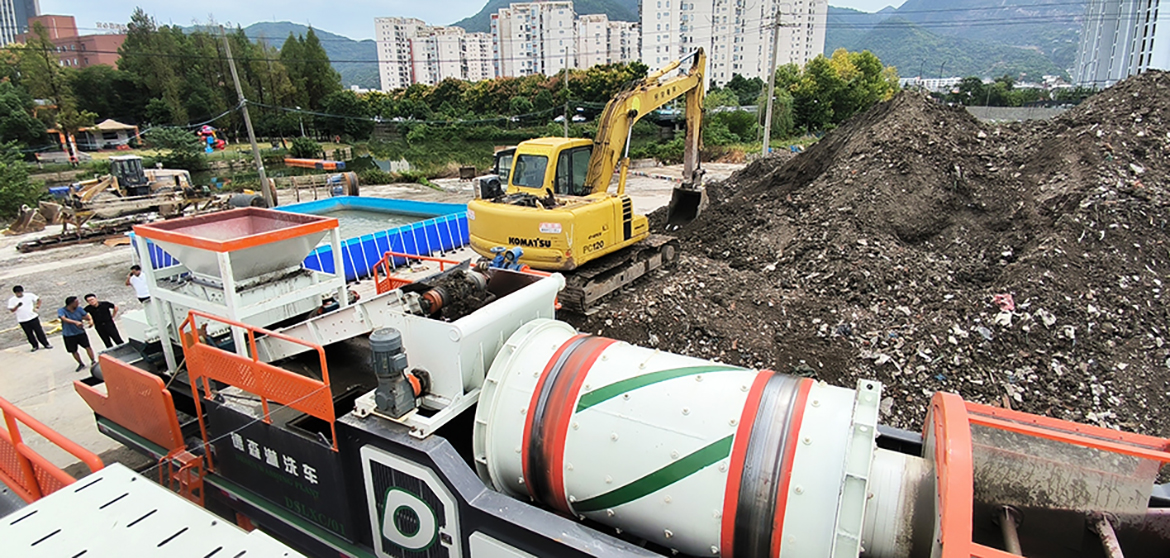
Layout decides how much the platform is loaded. The excavator should reach the feed hopper without tracking across the area where the plant stands, and the discharge conveyor needs room for a stockpile that can be reclaimed without pushing material back towards the plant. Keeping a clear pull-out lane matters more than it seems: a plant that cannot be moved when the ground softens is a plant that stays where it sank.
- Ground inspected after rain, with soft spots marked
- Leg positions checked against buried services and trenches
- Platform compacted, drained and extended beyond the footprint
- Mats sized to the leg pads, not to the frame
- Stockpile zones set back from the platform edge
- Pull-out route kept clear for the trailer
Screening through frost and thaw
Freezing changes the material as much as it changes the ground.
Frozen crusts and deck blinding
Frozen soil arrives in lumps that behave like oversize, and a frozen crust on the feed bridges across the deck instead of passing through it. Woven mesh blinds quickly when damp material is screened below zero, and the fix is rarely a different screen; it is a different working method. Feed rate is reduced so the deck clears between loads, the deck is cleaned at the start of each shift rather than the end, and no material is left sitting on the screen overnight. Where a campaign runs through winter, a covered feed area keeps the worst of the weather off the material before it reaches the plant.
Thaw, rutting and reinstatement
The thaw is the more damaging half of the season. Ground that carried a plant in January can lose most of its strength in March, and ruts formed under frost deepen as the subgrade softens. Legs are re-checked for level after any thaw, mats are lifted and re-bedded where they have punched in, and the platform is re-graded before production resumes. Agreeing the reinstatement scope at the same time avoids arguments later about who repairs the ground.
Ground conditions are not a detail to be sorted out on the morning of mobilization. They decide the platform, the layout and the working method, and they are far less costly to deal with before the plant arrives. Contractors planning a screening campaign can ask Desen Environmental for the footprint, leg loads and recommended platform detail for the plant they intend to use.