Liquidated Damages and Delay Clauses in Soil Washing Contracts: Setting Fair Consequences for Late Delivery
How liquidated damages and delay clauses work in soil washing contracts: supplier and contractor delay, daily rates, caps, extension of time and records.
Liquidated Damages and Delay Clauses in Soil Washing Contracts: Setting Fair Consequences for Late Delivery
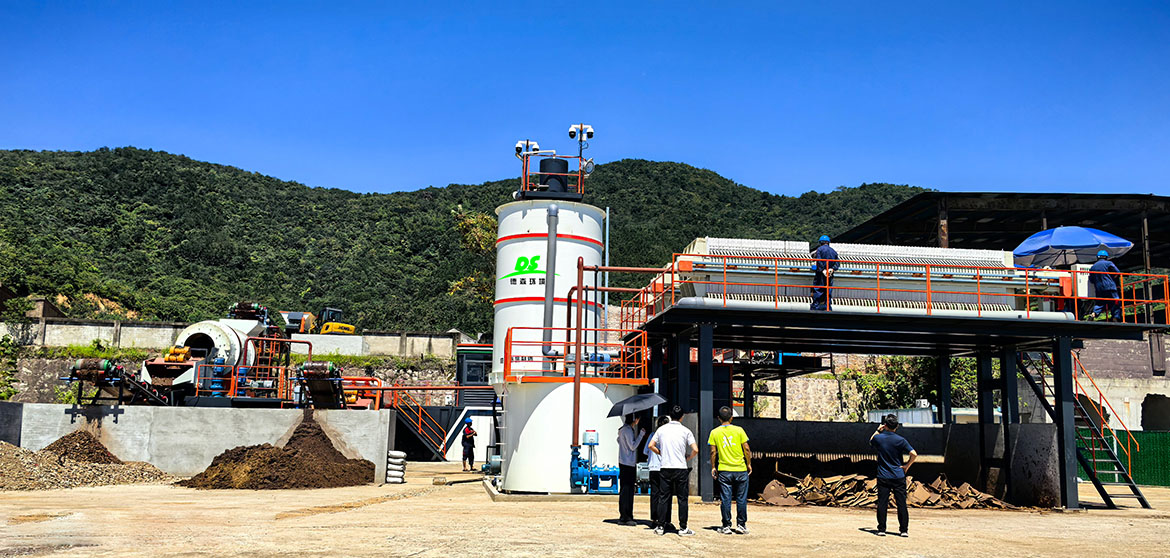
A soil washing project runs on two clocks. The first belongs to the supplier: the washing plant must be built, shipped and commissioned by the promised date. The second belongs to the contractor: once the plant stands on the hardstand, it must process the stockpiles at the rate the programme assumes. Delay clauses are how the contract prices the moment either clock slips — and on a remediation project, where standby costs are high and permits have expiry dates, a week of delay is rarely a neutral event. Getting the liquidated damages clause right is one of the mechanisms that keeps a project moving when something goes wrong.

Where Delay Clauses Bite on a Washing Project
Supplier-side delay: the plant that arrives late
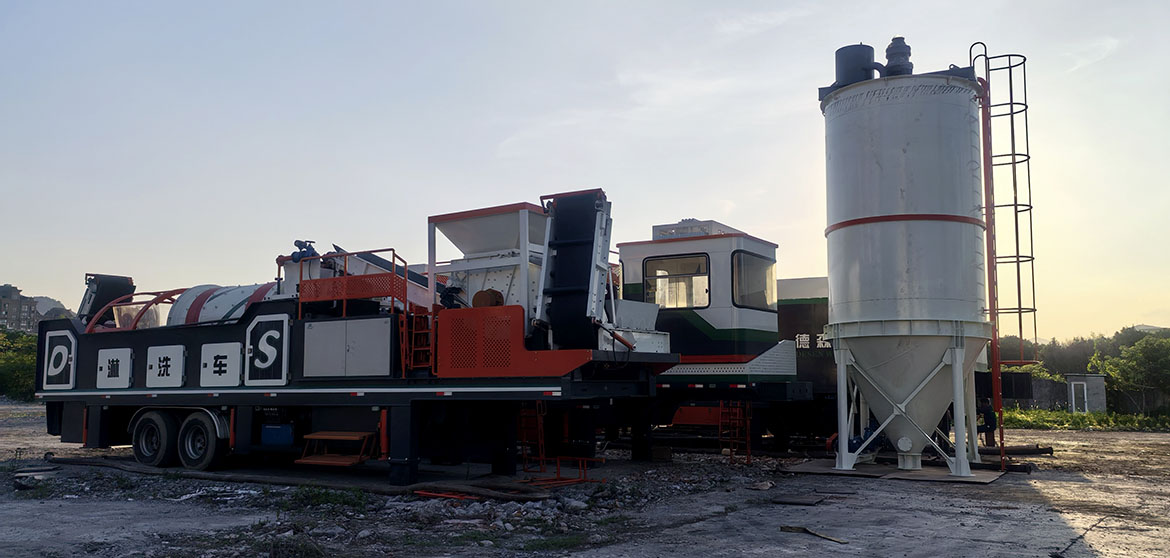
For a buyer of soil washing equipment, the exposure is straightforward. The permit is issued, the excavation crew is booked, and the campaign start date rests on the plant arriving and commissioning on schedule. If the washing line lands three weeks late, the mobilized site team waits, the permit window shortens and the client's programme slips. This is the classic case for liquidated damages against the supplier: a pre-agreed daily rate for each day the delivery or commissioning milestone is missed, without the buyer having to prove its actual loss in a dispute.
Contractor-side delay: the plant that runs slowly
The mirror image applies when a remediation contractor sells a washing service to a landowner or principal contractor. The contract promises a treatment rate — tonnes per day, or completion of the campaign by a fixed date. If the plant consistently underperforms, contaminated soil stays in place past the contractual date and the client's development programme suffers. Liquidated damages in a service contract price that shortfall: a daily amount for every day the works run beyond the completion date for reasons attributable to the contractor.
What a week of delay actually costs
Understanding the real cost behind the clause helps both sides set a defensible number. A week of standby on a washing site typically carries the establishment and welfare units, the operating crew, site insurance, and often re-booking of a disposal slot for the filter cake or fines. Downstream, the delay may push validation sampling and sign-off into a later reporting cycle. A rate set far below these standing costs invites the injured party to claim unliquidated damages instead; a rate set far above them becomes a penalty that courts in many jurisdictions will refuse to enforce.
Drafting Liquidated Damages That Hold Up
Rate basis and caps
A workable clause states four things precisely. First, the trigger: which milestone or completion date the damages attach to, defined by reference to a dated programme in the contract. Second, the rate: a daily amount, or a percentage of the contract price per week, that reflects the standing costs described above. Third, the cap: a maximum total, commonly a percentage of the contract price, beyond which the remedy shifts to termination or ordinary damages. Fourth, the interface with the payment schedule, so that liquidated damages are deducted from the next interim payment or invoiced separately, without freezing all payments while the amount is argued.
Extension of time and relief events
Liquidated damages only bite when the delay is the liable party's fault, and that is where the extension of time machinery matters. A delay provision in a soil washing contract should carry:
- Defined relief events: abnormal weather, scope changes instructed by the client, delayed site access and regulator-driven changes to reuse criteria or disposal routes.
- A notice procedure with a fixed window, so that a delay event is claimed while records are fresh rather than reconstructed at final account.
- A duty to mitigate, requiring the delayed party to resequence work or add shifts where reasonable.
- Clarity that granting an extension of time releases liquidated damages for the extended period, but leaves unrelieved delay intact.
- An agreed interface with force majeure and suspension provisions, so overlapping events do not produce contradictory remedies.
Records, Notices and Keeping Disputes Small
The contracts that survive a genuinely late plant are the ones whose paperwork was built before the delay happened. Milestone dates should live in a programme referenced by the contract, not in an email chain, and progress on manufacturing, shipping and commissioning should be reported against that programme at agreed intervals, so a slipping date is visible weeks before it becomes a claim. When delay does occur, contemporaneous records — shift logs, throughput reports, rainfall records, photographs of the standing site — decide whether the liquidated damages mechanism applies calmly or collapses into a general damages argument.
Keep the remedy proportionate, too. Liquidated damages are a pricing tool for ordinary delay, not a punishment: once delay becomes systemic, the contract should move to its termination and step-in provisions instead of accumulating daily deductions nobody can pay. A clause set at a defensible rate, capped sensibly and paired with a fair extension of time procedure will almost always be honoured rather than litigated — which is precisely its purpose.
Desen Environmental supplies modular and mobile soil washing equipment to remediation contractors in Europe, the Middle East, Southeast Asia and North America, and structures delivery and commissioning schedules that can be written directly into contract programmes. Contact the team at materialwashing.com to discuss your project.