Soil Washing Project Closeout Report and Regulator Sign-Off: Closing the File on a Remediation Campaign
How to compile a soil washing project closeout report and secure regulator sign-off: validation data per fraction, residue disposal records, the inspection visit and the evidence file.
Soil Washing Project Closeout Report and Regulator Sign-Off: Closing the File on a Remediation Campaign
A soil washing campaign does not end when the last tonnage has been washed. It ends when the regulator accepts the evidence and formally closes the file. Between those two points sits the closeout report: the document that converts weeks of processing, sampling and stockpiling into permission to demobilize, backfill and hand the land back. Contractors who plan for sign-off from the first week usually close their projects on schedule; those who treat documentation as a final-week exercise often find the plant standing idle for months while records are reassembled.
What the Closeout Report Has to Prove
A closeout report is not a narrative of what happened. It is an argument, built from data, that the site now meets the criteria set out in the remediation strategy and the permit. Every claim in it traces back to a record: a batch certificate, a laboratory result, a weighbridge ticket or a signed transfer note.
Validation data for every treated fraction
Soil washing splits the excavated volume into fractions, and the closeout report has to account for each one. Coarse sand and gravel usually carry the reuse argument: washed, graded and validated against the reuse criteria for their intended end use. The fine fraction carries the disposal argument: dewatered, characterized against waste acceptance criteria and tracked to its permitted destination. Wash water and process residues need their own paper trail. Mixing these stories together, or leaving one fraction undocumented, is the fastest route to a regulator query.
Residue streams and disposal evidence
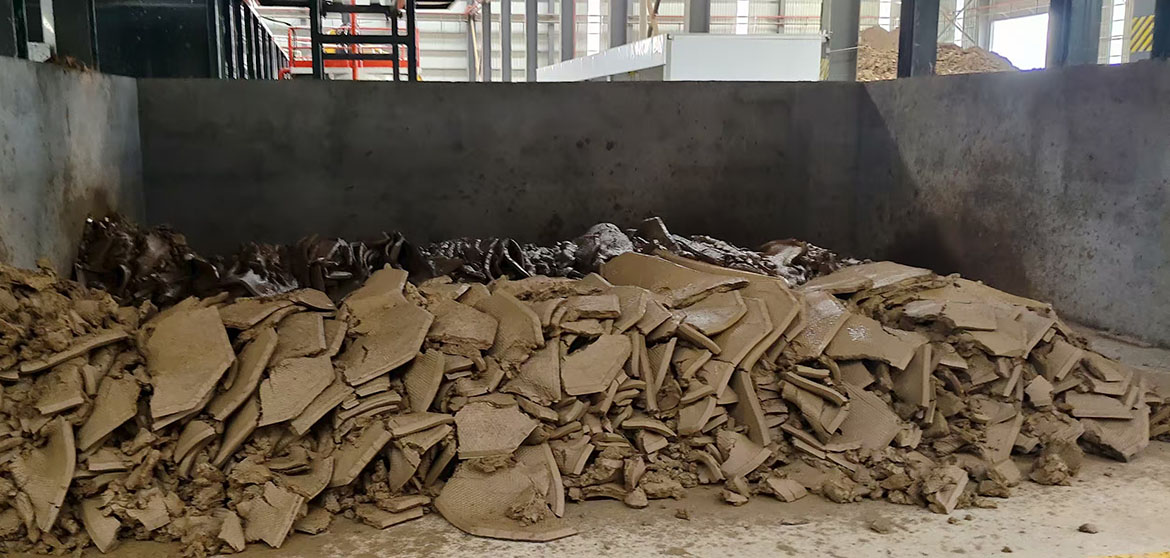
Filter cake, screenings and sludge leave the site under permits that specify quantity, classification and destination. The closeout file should reconcile the mass balance: tonnage excavated, tonnage washed, tonnage reused on or off site and tonnage disposed, each supported by transfer documentation. Regulators read these numbers closely, and a gap of a few hundred tonnes between the excavation survey and the disposal records invites questions that are hard to answer once the site team has moved on.
The Regulator Sign-Off Visit
Most frameworks include a site verification step before the file is formally closed. The inspection is shorter than contractors expect, often half a day, but it is decided long before the inspector arrives, by the state of the records and the site.
What inspectors typically ask to see
A typical visit covers the physical condition of the site, the treatment records and the residual risks. Inspectors commonly ask for:
- Batch records linking each validation sample to a stockpile location and date
- Laboratory reports with the sampling plan, chain-of-custody forms and QA/QC results
- The stockpile sampling protocol and maps showing where each pile stood
- Disposal documentation for the fine fraction and other residues
- A site plan showing what remains: caps, monitoring wells and any soil left in place
- Groundwater monitoring results where the permit requires them
Where sign-off usually stalls
Three delays appear again and again. First, sampling gaps: a stockpile was moved or part-processed without a sample set, so validation has to be re-run. Second, mass balance discrepancies between excavation volume and disposal tonnage. Third, unclear reuse boundaries, where treated soil left the site for an off-site end use without documented acceptance by the receiving site. None of these are technical failures of the washing process; they are documentation failures, and they are expensive to repair after demobilization.
Building the Evidence File During the Campaign
The practical answer is to assemble the closeout report as the campaign runs, not after it. A site that treats every week as reportable closes quickly. In practice that means:
- One named owner for the closeout file, appointed from mobilization onward
- A live register of validation samples, batch by batch, updated weekly
- Scan-at-source discipline for weighbridge tickets, transfer notes and laboratory reports
- Monthly snapshots of the mass balance, checked against the site survey
- Early regulator engagement on reuse criteria before the first batch ships
- A draft report structure agreed with the regulator at the start, so the final document matches what they expect to read
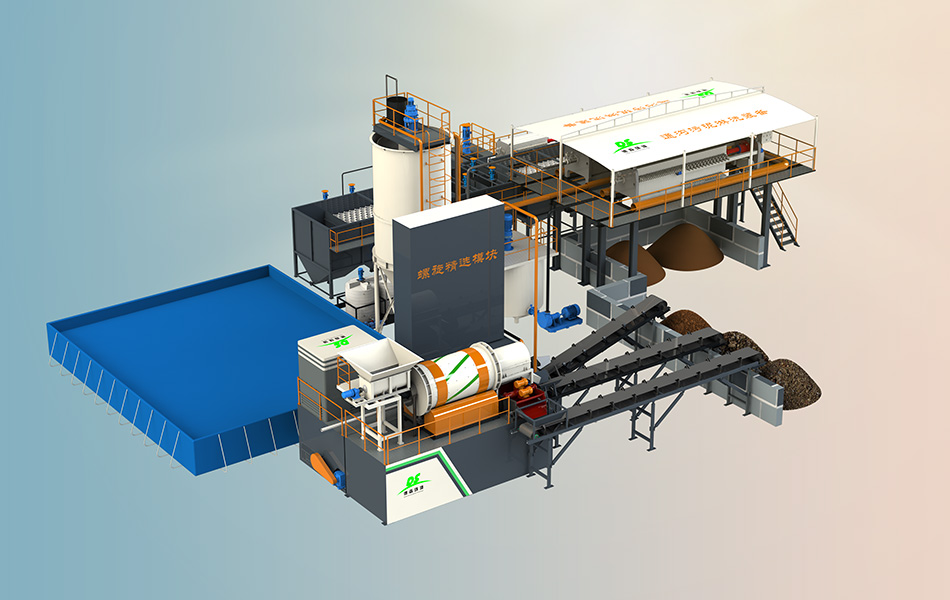
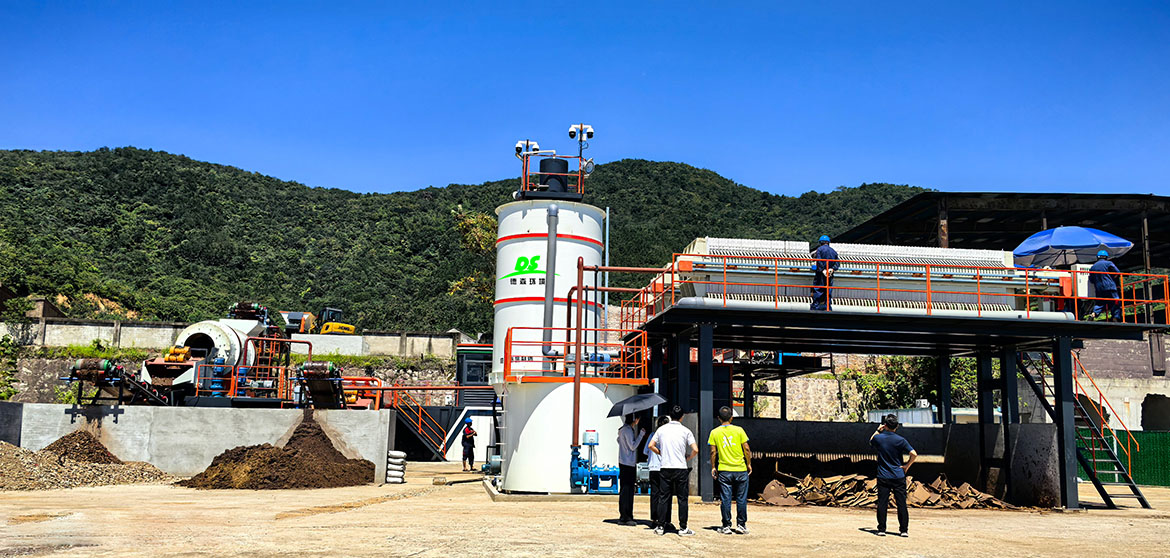
Desen Environmental supplies modular and mobile soil washing equipment for remediation contractors, and the commissioning and after-sales support we provide includes guidance on sampling points, record formats and the process data a closeout report needs. A washing line that produces clean, batch-linked data from the first day of operation is a straightforward foundation for a regulator sign-off that arrives on schedule.