Used Soil Washing Equipment Purchase Inspection: A Buyer's Checklist Before You Commit
A buyer's inspection checklist for used soil washing equipment: wear parts, water circuit corrosion, wet capacity checks and the documents to demand before you sign.
Used Soil Washing Equipment Purchase Inspection: A Buyer's Checklist Before You Commit
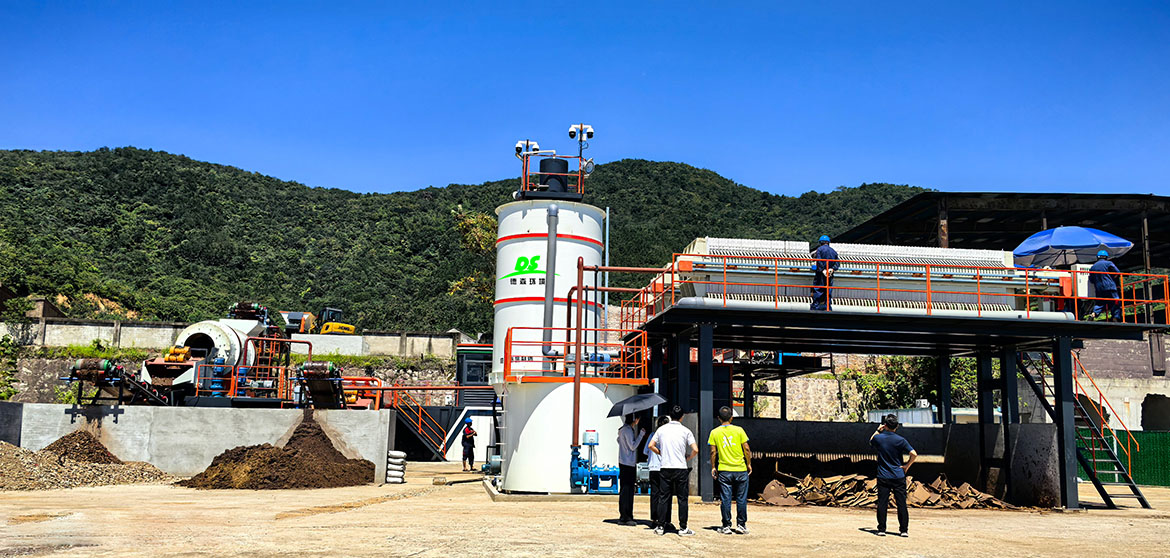
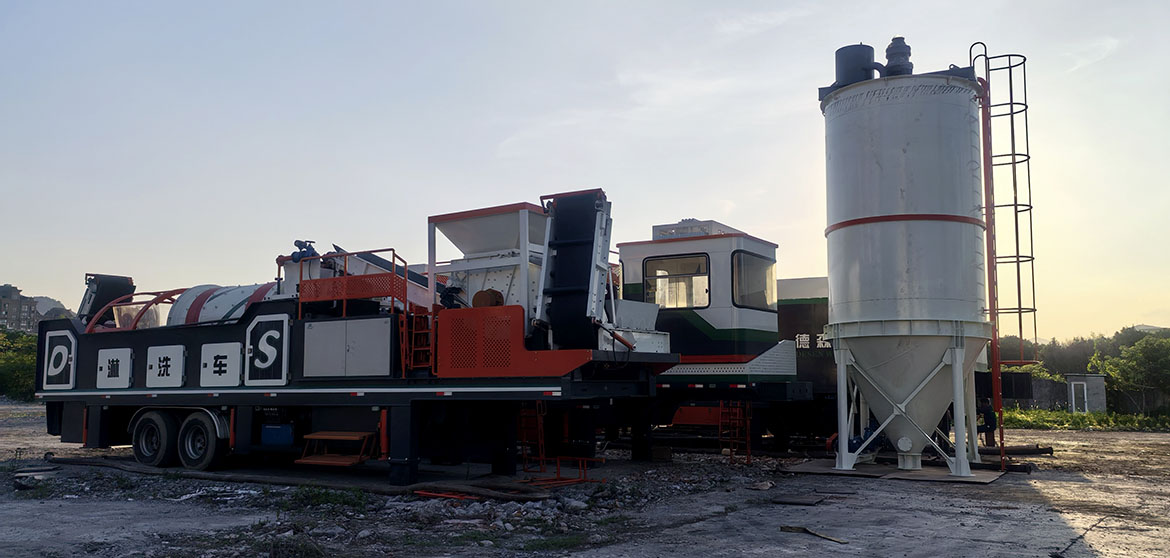
A second-hand soil washing plant can cut both the capital budget and the waiting time compared with a new build, and the used equipment market in North America and Europe has grown as early remediation fleets reach the end of their first contracts. The trade-off is that washing equipment ages faster than most earthmoving machinery. Abrasive slurries, chemical reagents and continuous water circulation attack every wetted surface, so a plant that looks presentable can hide a long list of pending replacements. A structured purchase inspection is how a buyer separates a genuine bargain from a deferred rebuild.
Where Used Washing Equipment Hides Its Costs
Wear parts and abrasion surfaces
Start with the parts the process consumes. Pump wet ends, hydrocyclone liners, screen panels, the drum shell and its internal lifters, and conveyor belts all have measurable service lives. Ask for the wear part change history and check the current state against it: a pump impeller with eroded vanes, screen panels worn past their aperture tolerance, or a drum shell thinned at the feed zone all point to heavy duty or stretched maintenance intervals. Rubber linings and hoses should be checked for hardening and cracking, which accelerate once they start.
The water circuit and corrosion
The water circuit tells you how the plant was actually operated. Inspect pipework for wall thinning at bends, tanks for pitting and previous weld repairs, agitator shafts for wear at the gland, and any lined process pond for liner damage. Plants that circulated saline water in coastal conditions, or that handled acidic wash water, show it in their steelwork. A corroded circuit is rarely fatal on its own, but it shifts the negotiation: replacement pipe spools, tank repair or a new liner are all line items a buyer should price before signing.
- Ask for pump, screen and drum wear part change records with operating hours
- Check wetted steel for pitting, weld repairs and liner condition
- Look for standing water stains and mineral deposits that hint at hidden leaks
- Confirm spare part availability from the original manufacturer for the serial number
Verify Capacity Under Load, Not on Paper
Run the plant wet
A static inspection shows condition; a wet run shows capability. Ask the seller to run the plant on real feed for at least a few hours and measure throughput, screen cuts and water consumption yourself. Listen for vibration and bearing noise, watch how the operator compensates for feed surges, and note whether the plant holds its rated rate or drifts below it. If a wet run is refused, that refusal is information in itself, and the price should reflect the added risk you are taking on.
Re-rate capacity for your soil
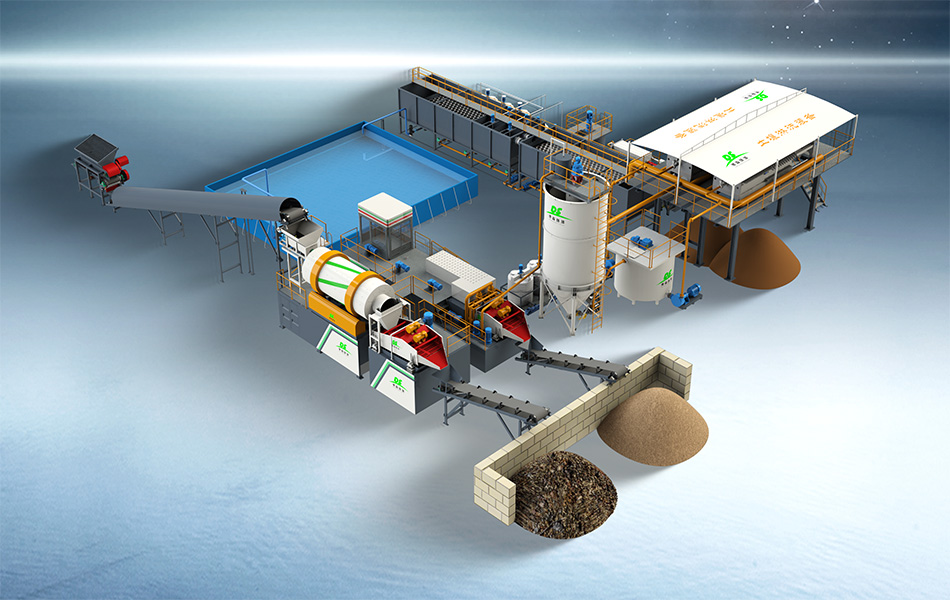
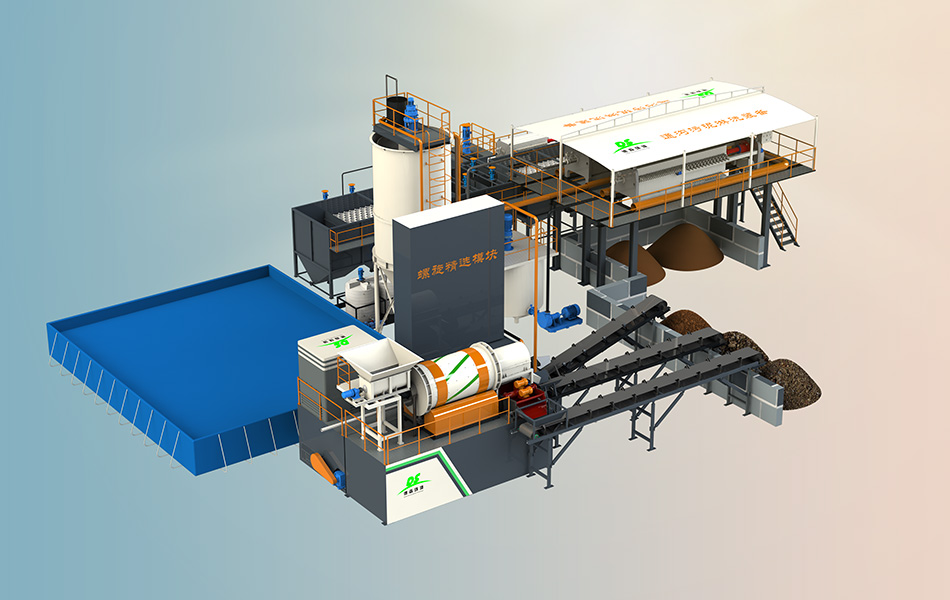
The throughput a seller quotes was achieved on their soil. Capacity on clay-rich feed, high-moisture stockpiles or contaminated gravel can differ substantially from the same plant washing free-flowing sand. Before you compare offers, rebuild the capacity calculation with your own feed gradation and attrition requirements, and check that the installed configuration — scrubber, screens, cyclones, dewatering units — actually covers your process flowsheet. A missing stage costs more to add than the discount that tempted you in the first place.
Documentation Chain and Contract Safeguards
The papers that matter
A used plant without documents is priced on hope. Ask for the original factory acceptance test records, general arrangement and piping drawings, motor and gearbox lists, the PLC program with its I/O schedule, and any service logs from the operating campaigns. These papers shorten commissioning, let a service engineer quote spares accurately, and reveal whether the plant was modified after delivery — a common source of mismatched components and lost capacity.
Contract terms for a second-hand deal
Structure the purchase so that discovery has consequences. A condition-precedent clause tied to your inspection findings, a defined re-commissioning support package, and a written statement of what the seller does and does not warrant about performance keep the risk where it was found. Confirm with the original manufacturer that spares and remote support remain available; if support has lapsed, price that gap into your offer rather than discovering it after mobilization.
A disciplined used soil washing equipment purchase inspection takes days, not weeks, and it converts an uncertain purchase into a priced list of known work. Desen Environmental publishes configuration guides and supports buyers with spare part supply for its installed washing fleet, and the same checklist applies when comparing used offers from any source at materialwashing.com.