Comparing Soil Washing Plant Quotations: How to Normalise Scope and Spot What Is Missing
How to compare soil washing plant quotations on a like-for-like basis: normalising scope, pricing exclusions and questioning the assumptions behind each offer.
Comparing Soil Washing Plant Quotations: How to Normalise Scope and Spot What Is Missing
Three quotations for a soil washing plant can differ by forty percent before a single technical difference is taken into account. Most of that spread comes from scope, not from the equipment itself: one offer includes installation supervision and a spare parts package, another prices a bare line ex-works. A buyer who compares the totals alone will pay for scope they do not need or, more often, discover after delivery that the plant on site is not what they thought they bought. A disciplined comparison turns three confusing documents into one decision.
Why Two Quotations Rarely Cover the Same Scope
Suppliers price what the customer asked for, and few enquiry documents specify every item a working washing campaign needs. So each supplier fills the gaps differently — one assumes the buyer already owns a filter press, another assumes the water treatment stage is somebody else's problem. Neither is wrong; each offer rests on assumptions the buyer never stated. The result is a set of totals that look comparable and are not.
The items that quietly differ
When reading offers line by line, these are the items that most often separate a complete quotation from a bare one:
- Installation, commissioning supervision and operator training — quoted as days on site or excluded entirely.
- The water treatment stage: thickener, flocculant dosing and the settling or recirculation basins behind the washing modules.
- Filter press or other dewatering for the fines fraction, and its interface with sludge disposal.
- Structural steel, platforms, walkways and pipework between units.
- Power supply scope, from the plant's main panel upwards, including generator sizing where the site has no grid connection.
- Spare parts and wear parts package, with its pricing basis.
- The documentation set: layout drawings, O&M manuals, wiring diagrams and commissioning records.
Normalising to a common basis
Before comparing prices, rebuild every offer on the same basis. Ask each supplier to state a single price for an identical scope package — for example, a complete line including water treatment and fines dewatering, delivered to site, installed under supervision, commissioned and handed over with training and documentation. Anything outside that package should be listed separately as an optional price. This one request removes most of the noise between offers and gives each supplier a fair chance to show what they actually include.
Building a Like-for-Like Comparison Sheet
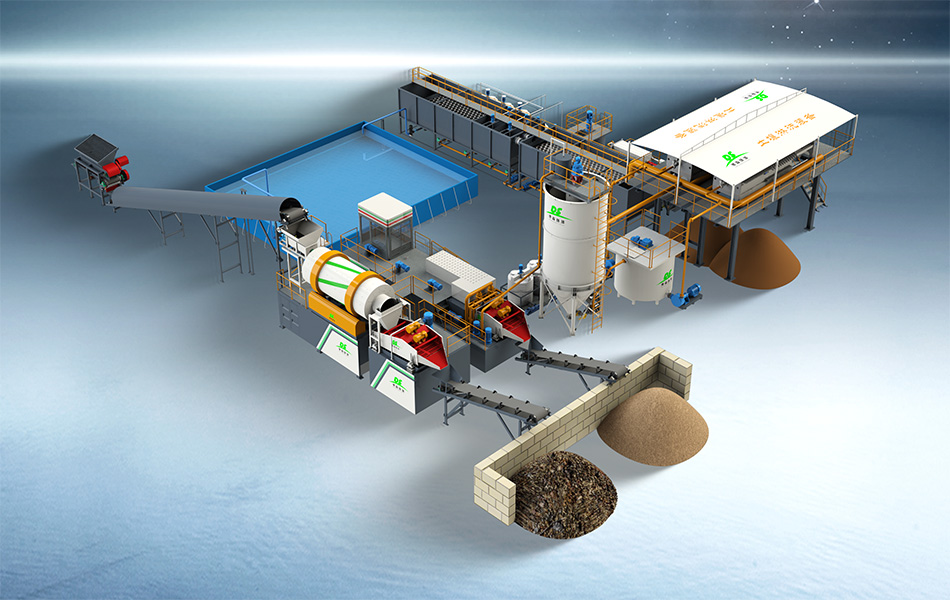
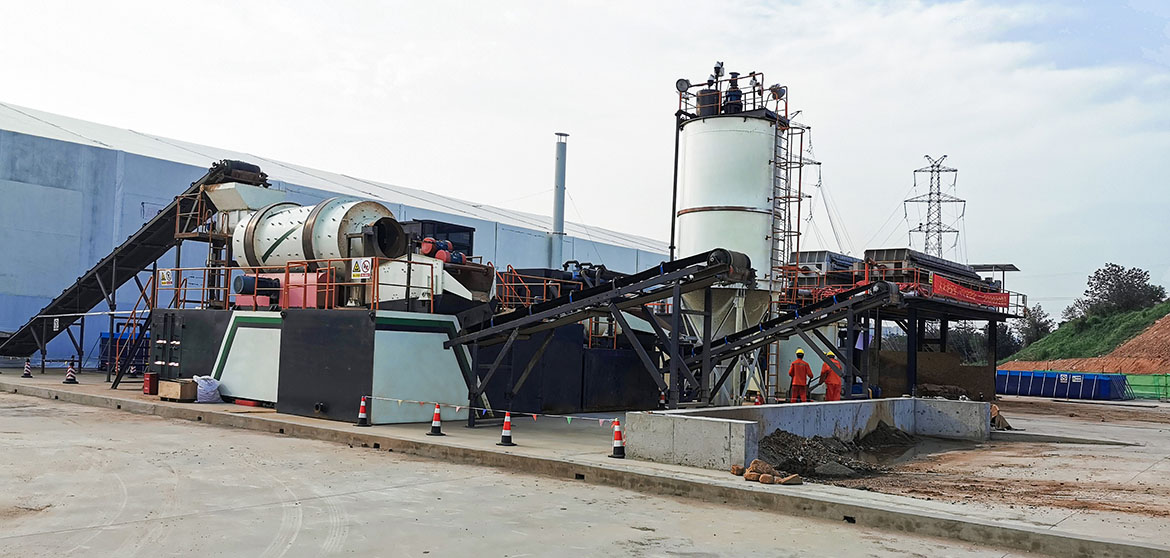
A comparison sheet works when every row is a scope item and every column is a supplier, so differences appear as cells rather than footnotes. Put the supply items first — washing, screening and classification units — then the water and dewatering circuit, then services such as shipping, installation and training. The arrangement above shows what a complete offer should describe: feed handling, washing, classification, water recirculation and product stockpiles planned as one line, not offered as separate boxes.
Split each offer into supply, services and exclusions
Ask each supplier to restate its offer in three parts: equipment supplied, services included, and exclusions. An explicit exclusions list is worth more than any brochure. It converts assumptions into statements, gives the buyer a checklist against site requirements, and makes negotiation concrete — a question moves from "why is your price higher?" to "which of these excluded items do we still have to buy, and from whom?"
Price every exclusion before comparing totals
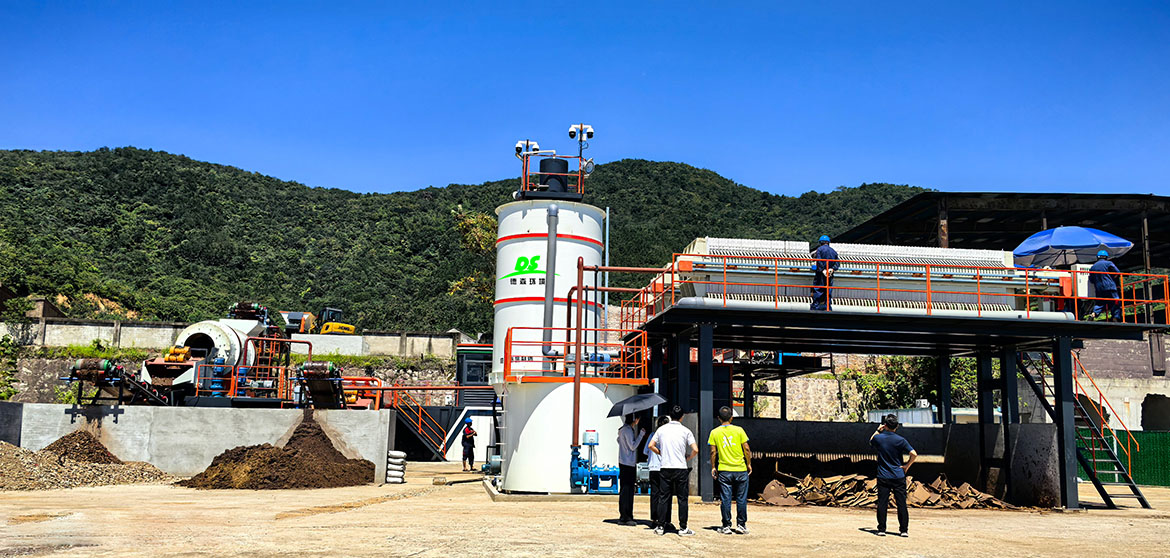
Each excluded item still has a cost; it simply belongs to someone else's invoice. If a quotation excludes the thickener and dewatering equipment shown in the site arrangement below, the buyer must budget for them elsewhere, along with the installation work they require. Adding a conservative price to each exclusion, or asking the supplier to quote it as an option, restores a fair comparison. On a Desen modular line, where washing, classification and water recirculation are delivered as matched modules, this exercise is usually short — which is why the scope statement matters more than the headline number.
Reading Price Against Assumptions and Terms
Question the throughput figure
Two plants quoting similar prices can differ widely in what they will actually process. Throughput depends on the feed: a line rated at thirty tonnes per hour on sandy soil with a low fines content may deliver far less on clay-rich contaminated soil that needs intense scrubbing. Check which soil the quoted rate assumes — grain size distribution, moisture, contamination type — and ask for the mass balance behind it. A quotation that states its feed assumptions is easier to trust and to compare than one quoting a single headline rate.
Warranty, spares and response terms
The final columns of the comparison sheet are commercial: warranty length and what it covers, wear parts pricing and availability, commissioning support, and how quickly technical help can reach the site. These terms decide how much the plant costs to run in year two, which is when a low headline price can quietly become an expensive one. Where the terms differ materially between offers, ask for them in the same contract language before signing rather than after delivery.
Desen Environmental supplies modular and mobile soil washing equipment to remediation contractors across the Middle East, Europe, Southeast Asia and North America, and prepares quotations itemised by supply, services and options so that comparison is straightforward. Contact the team at materialwashing.com with your soil data for a scope-based offer.