Oil Sludge Treatment: Effective Remediation for Petroleum Contamination
Learn how advanced oil sludge treatment technology from Desen Environmental effectively remediates petroleum-contaminated soil, achieving regulatory compliance and resource recovery.
Petroleum contamination represents one of the most widespread and challenging soil pollution problems globally. From oil field drilling sites and refinery areas to aging fuel stations and storage terminals, oil sludge and hydrocarbon-impacted soil demand reliable, cost-effective treatment solutions. Desen Environmental's oil-contaminated soil washing equipment addresses this challenge with a proven physical washing and thermal washing process.
Understanding Oil Sludge Treatment Challenges
Oil sludge typically contains a complex mixture of crude oil fractions, water, and mineral solids. Traditional disposal methods like landfilling are increasingly restricted by environmental regulations, while thermal desorption can be energy-intensive and costly. The physical washing approach offers a middle path—effective enough to meet regulatory standards while maintaining reasonable operational costs.
Desen Environmental's solution is designed for soils with total petroleum hydrocarbon (TPH) content below 50,000 mg/kg, covering the vast majority of oil field legacy sites, refinery brownfields, and fuel station remediation projects.
How the Oil-Contaminated Soil Washing Process Works
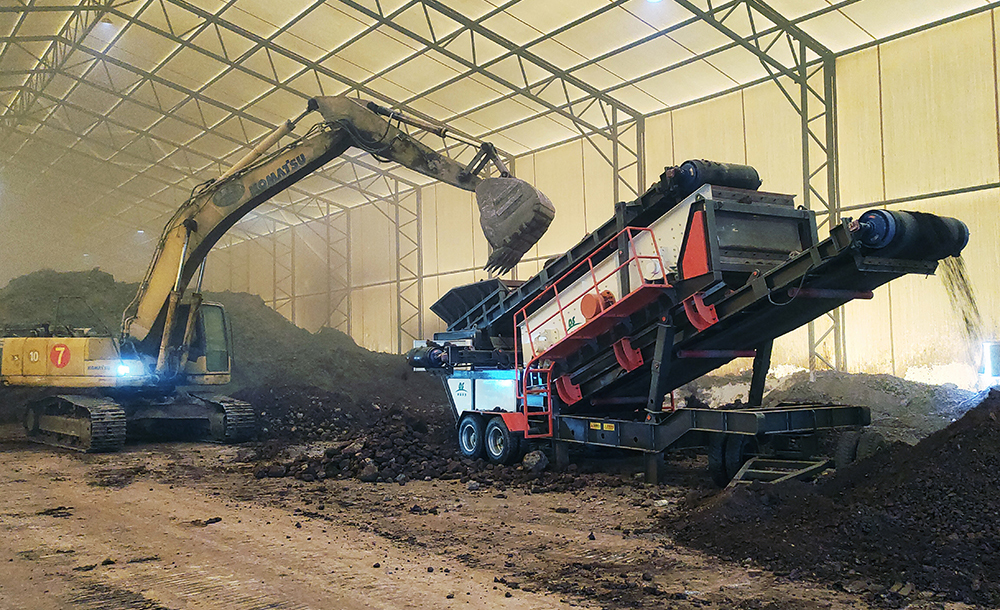
The treatment process begins with pre-screening and crushing of excavated contaminated soil. Material is then fed into a rotary drum washing unit where it is mixed with water and washing agents at a 2.5:1 water-to-soil ratio. The intensive scrubbing action breaks down soil aggregates and separates petroleum hydrocarbons from soil particles.
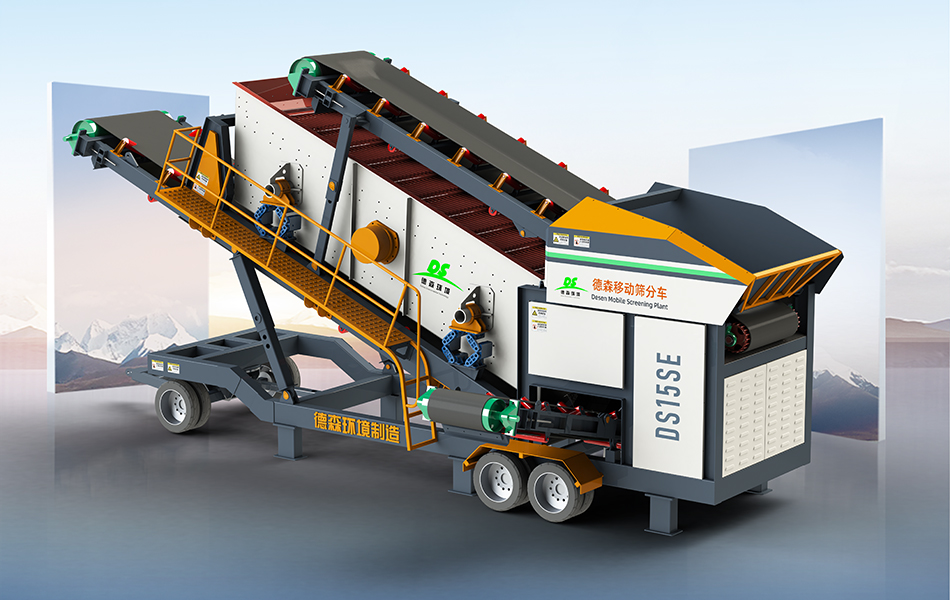
After scrubbing, the slurry passes through a primary vibrating screen that separates coarse materials (>2mm). The fine fraction enters a high-efficiency soaking and classification module where additional reagent contact time improves contaminant removal. An oil separation tank collects floating oil and scum for off-site hazardous waste disposal.
Further classification separates 0.15-2mm fine sand from the slurry. The remaining fine fraction (<0.15mm) undergoes flocculation in a deep cone thickener, followed by filter press dewatering. Throughout the process, the water treatment module treats all process water for recycling, achieving a water reuse rate above 90%.
Treatment Performance and Applicability
- Processing capacity: 15-100 tons per hour, configurable to project needs
- Soil types: Sandy soils, loam, silty clay composite soils
- Contaminants: TPH, petroleum hydrocarbons, and petroleum-heavy metal composite contamination
- Water recycling: ≥90% closed-loop circulation
- Control: DCS intelligent control with remote monitoring and 5G connectivity
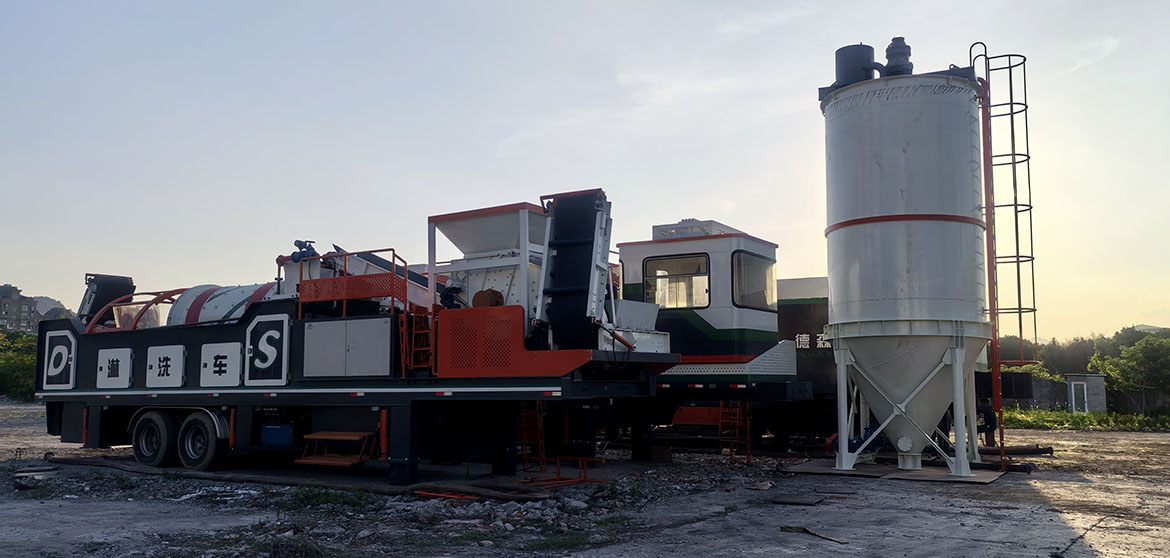
The system integrates with the broader modular soil washing platform, allowing operators to add or remove modules as project conditions require. For sites with heavy oil sludge that exceeds 50,000 mg/kg TPH, the equipment can serve as a pre-treatment stage before thermal processes, significantly reducing the volume of material requiring high-temperature treatment.
In practice, this technology has been deployed successfully across multiple project types—from oil field legacy sites to petrochemical plant closures—demonstrating consistent treatment outcomes and regulatory compliance across diverse operating environments.