Petroleum-Contaminated Soil Remediation: Technological Solutions and Engineering Practice
Comprehensive guide to petroleum hydrocarbon contamination in soil: thermal desorption and surfactant washing technologies with real engineering case study by Desen Environment.
Petroleum hydrocarbon contamination of soil is one of the most pervasive environmental challenges facing industrialized regions worldwide. From legacy gas stations and petroleum depots to pipeline leak sites and refinery brownfields, the remediation of oil-impacted soils requires careful engineering design that balances treatment efficiency with operational cost.
郑州德森环境科技有限公司 (Desen Environment), operating under the materialwashing.com brand from its Zhengzhou manufacturing base in China, has developed a comprehensive suite of thermal desorption and soil washing solutions specifically tailored for petroleum hydrocarbon remediation projects ranging from 500 to over 100,000 tonnes.
Understanding Petroleum Hydrocarbon Contamination
Petroleum hydrocarbons encompass a broad family of organic compounds derived from crude oil and refined products. In environmental engineering practice, they are typically categorized into two groups based on regulatory frameworks:
- Total Petroleum Hydrocarbons (TPH): The sum of aliphatic and aromatic hydrocarbon components across carbon ranges C6 to C40+, measured by standard gravimetric methods. TPH is the most common screening parameter for site characterization.
- Benzene, Toluene, Ethylbenzene, Xylene (BTEX): A subset of volatile and semi-volatile aromatic compounds recognized as priority pollutants due to their carcinogenicity and environmental persistence at low concentrations.
The behavior and treatment requirements for petroleum-contaminated soil vary dramatically depending on the hydrocarbon fraction involved. Lighter fractions such as gasoline-range C6-C10 volatiles evaporate relatively readily, while heavier residues like diesel-range C10-C25 compounds adsorb more strongly to soil matrix minerals—particularly fine-grained clays and organic matter—and require higher thermal energy input or enhanced chemical extraction for removal.
Thermal Treatment Technologies for Oil-Contaminated Soil
The most widely deployed remediation technology for petroleum-contaminated soils is thermal desorption, which exploits the differential volatility of hydrocarbon fractions at elevated temperatures to separate contaminants from soil solids.
Rotary Thermal Desorption Systems
A rotating inclined kiln heats contaminated feed material to operating temperatures between 200°C and 450°C in a controlled, oxygen-limited atmosphere. Hydrocarbon vapors are stripped from the soil matrix and routed through a vapor condensation system where they are recovered as reusable fuel oil or sent for further treatment via activated carbon adsorption or thermal oxidation.
Desen Environment's rotary desorption plants achieve hydrocarbon removal efficiencies exceeding 97% across all TPH fractions while maintaining treated soil temperatures below the ignition threshold—ensuring inherent safety against flash fire during continuous operation. The systems incorporate integrated fume collection hoods at feed and discharge points, secondary treatment via carbon adsorbers, and an online thermal oxidizer (TO) as backup for off-gas polishing to meet stringent emission standards including China's GB 16297-1996 and US EPA MACT Subsection XXXX.
Indirect vs Direct Heat Transfer
Direct-fired systems introduce combustion gases in physical contact with the soil, delivering rapid heat transfer but risking thermal degradation of sensitive soil fractions. They are best suited for coarse gravels and sands where organic matter preservation is not a concern.
Indirect (conduction) heating systems, which Desen Environment's flagship platforms employ, transfer heat through heated kiln shell or internal paddle surfaces without contaminating the off-gas stream. This design preserves soil organic structure for potential land application post-remediation and produces a cleaner gas volume amenable to efficient condensation recovery.
Soil Washing with Chemical Enhancement for Petroleum Remediation
For soils where hydrocarbon concentrations are moderate (typically 1,000–5,000 mg/kg TPH) and treatment targets require removal below regulatory action levels of 300-800 mg/kg, wet soil washing with surfactant enhancement offers a viable alternative to thermal processing.
The process involves feeding contaminated material through a sequential scrubbing–classification circuit where water-based chemical solutions—typically nonionic or zwitterionic surfactants such as Tween 80, Triton X-100 derivatives, or biosurfactant formulations like Sophorolipid—are used to mobilize adsorbed hydrocarbon phases into the aqueous stream. The scrubbing action in a high-energy attrition cell dislodges oil films from particle surfaces at the molecular level.
Following surfactant-assisted scrubbing, material is classified via hydrocyclone arrays or vibrating screens to separate the fine-grained fraction (where most contaminants concentrate due to their higher surface-area-to-volume ratio) from cleaned coarse fractions. The contaminated fines are then processed through subsequent dewatering and either thermal polishing treatment or biological stabilization.
Desen Environment's Integrated Oil-Soil Remediation Solutions
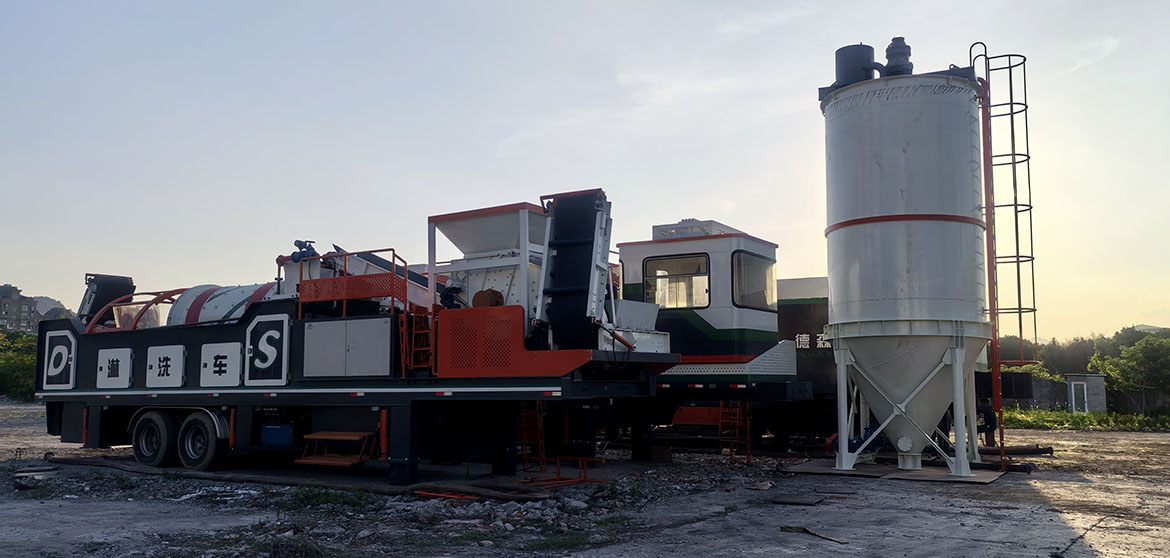
Desen Environment's approach to petroleum hydrocarbon remediation is characterized by modular, scalable plant configurations that can be deployed rapidly at contaminated sites across China and internationally. Key platform capabilities include:
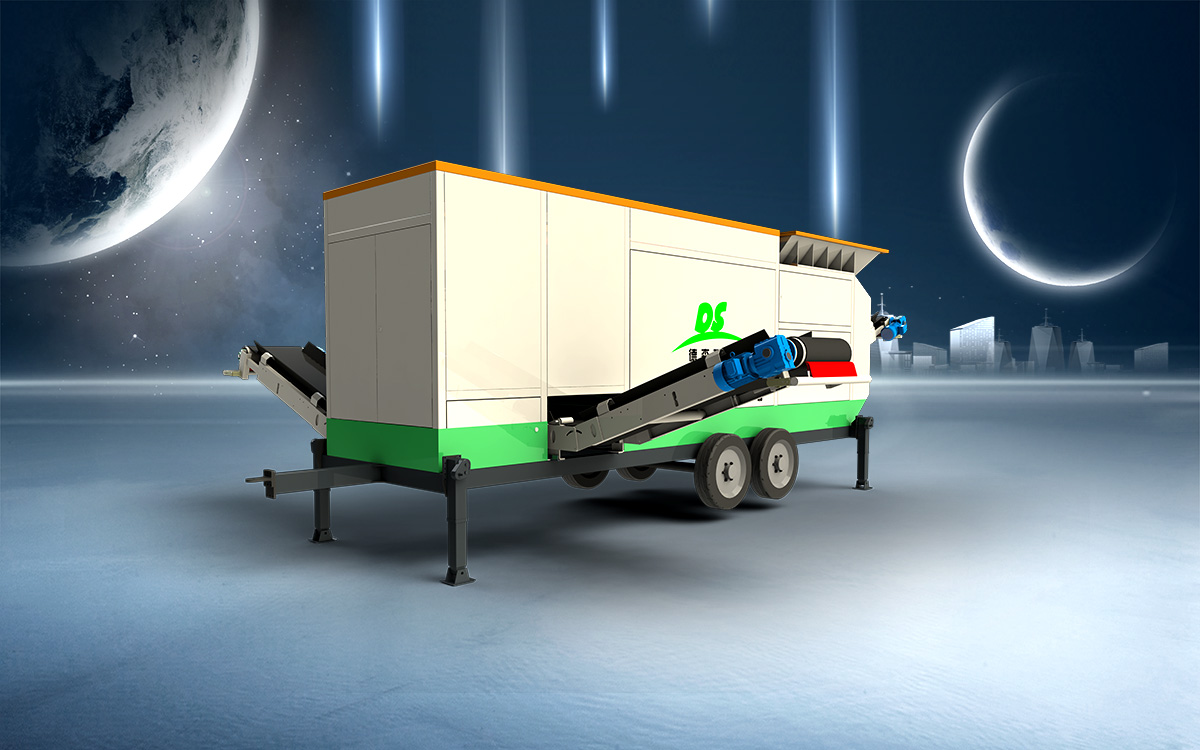
- Scalable thermal desorption trains with capacities from 5 TPH to 100+ TPH per line, housed in standard ISO container modules for rapid site mobilization.
- Dual-mode surfactant-assisted soil washing circuits configurable as standalone treatment or integrated post-processing after coarse thermal pre-treatment of heavily contaminated feed streams exceeding 2% total petroleum hydrocarbon content by mass.
- Vapor recovery and off-gas treatment modules achieving sub-10 ppm THC (total hydrocarbon) emissions from desorption units, with condensation-based solvent recovery providing partial operating cost offset through saleable recovered fuel oil.
- Closed-loop water management systems that recycle process water at greater than 85% rate and treat any residual effluent via dissolved air flotation (DAF) followed by biological treatment for regulatory discharge compliance.
- Automated PLC-based control platforms with remote monitoring, alarm logging, and integrated environmental data reporting compatible with Chinese Ministry of Ecology and Environment (MEE) electronic emission record systems used in provincial soil pollution surveys since 2021.
Engineering Practice: Field Deployment Case Study
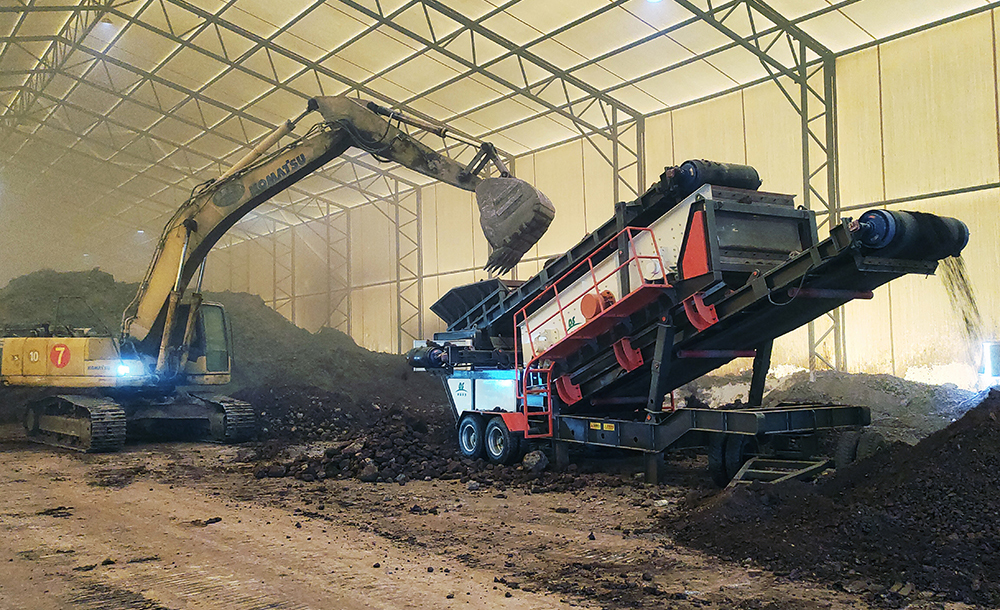
In 2024, Desen Environment deployed a containerized thermal desorption plant at a former petroleum storage depot in Shandong Province. The site characterization survey identified approximately 18,500 tonnes of soil contaminated with TPH ranging from 3,200 mg/kg to 68,000 mg/kg and BTEX levels up to 4,700 mg/kg total across the four priority compounds.
The remediation design called for a two-stage treatment approach: initial coarse screening to remove debris and oversize material (>50mm), followed by indirect rotary thermal desorption at an operating temperature of 320°C. The system was configured with carbon adsorber polishing as the primary off-gas abatement method, achieving average TPH reductions from a weighted feed concentration of approximately 14,800 mg/kg to treated soil levels consistently below 500 mg/kg—the provincial regulatory threshold for industrial land redevelopment.
The plant operated continuously over an eight-week campaign with zero safety incidents or environmental release events. Recovered petroleum distillate yielded approximately 32 tonnes of saleable light oil fractions, partially offsetting operating expenditures. The project was completed two weeks ahead of schedule and at a total remediation cost competitive with alternative contractor proposals in the region.
Regulatory Considerations for Oil-Contaminated Soil Remediation
Petroleum hydrocarbon remediation projects in China are governed by several key regulatory frameworks that directly influence technology selection and plant design:
- GB 36600-2018: National Land Quality Standards for Pollution Risk Control — Defines tiered screening levels (first-class and second-class) based on land use classification. The TPH action level under Category I (residential, school, hospital zones) is significantly stricter than for industrial uses.
- The Soil Pollution Prevention Law of the People's Republic of China (enacted 2019) — Mandates risk assessment and remediation plans for all listed contaminated sites with enforceable timelines managed at provincial environmental authorities.
- DJ/T 004-2023: Technical Guideline for Soil Remediation Project Engineering Design — Provides standardized engineering design requirements including emission control, energy efficiency benchmarks, and automated monitoring obligations applicable to soil treatment installations of all throughput scales since January 2023.
- HJ 25.7-2019: Technical Specification for Soil Remediation by Thermal Desorption — Establishes performance criteria including maximum operating temperature limits to prevent organic transformation, off-gas emission caps (THC ≤ 30 mg/m³), and required verification sampling protocols.
Desen Environment's plant designs are engineered from the outset for full compliance with these regulations. Standard configurations include all equipment specified in HJ 25.7-2019 Annex A (off-gas condensation + carbon adsorption), emission monitoring interfaces compatible with provincial continuous ambient air quality systems, and documentation-ready commissioning verification protocols.
Key Advantages of Professional Thermal Remediation Equipment
Selecting a purpose-built thermal desorption or enhanced soil washing system from an experienced manufacturer like Desen Environment (郑州德森环境) provides multiple strategic advantages over generic or imported alternatives:
- Rapid deployment timeline: Containerized plants ship fully assembled and can begin treatment within 30-45 days of order placement, far exceeding the typical six-to-nine-month procurement cycle for custom-fabricated domestic systems.
- Tailored process engineering: Desen's laboratory team performs bench-scale jar tests and thermal desorption column studies on client-provided soil samples before final equipment specification — ensuring optimal operating parameters are locked in prior to manufacturing commitment. Over 200 site characterization campaigns have been completed through this service since 2015.
- Full lifecycle support: On-site commissioning assistance, operator training programs (standard two-week curriculum covering safety protocols, daily operations, and troubleshooting), remote diagnostics via integrated cellular telemetry, and guaranteed spare parts availability from the Zhengzhou warehouse within 48 hours nationwide.
- Total cost of ownership transparency: Detailed energy consumption projections per tonne of treated material for each proposed configuration allow project managers to compare operating economics alongside capital expenditure before procurement decisions are made — an approach that has contributed to a documented average savings of 12-18% in operational costs versus comparable imported systems.
Frequently Asked Questions
Q1: What hydrocarbon concentrations can thermal desorption treat effectively?
Desen Environment's rotary thermal desorption plants are optimized for feed material containing TPH levels from 500 mg/kg to over 10% by dry weight. For materials exceeding approximately 3-4% TPH, pre-screening of coarse oily debris or blending with lower-concentration soils may be recommended to optimize throughput and prevent localized overheating in the kiln.
Q2: Does thermal desorption permanently destroy petroleum hydrocarbons?
The primary mechanism is physical separation through vaporization rather than chemical destruction. Treated soil typically retains TPH below regulatory thresholds (50-800 mg/kg depending on land use category), while the separated hydrocarbon vapors can be condensed for recovery as fuel or directed to a thermal oxidizer where complete combustion destroys organic compounds, converting them primarily into CO₂ and H₂O.
Q3: How do you manage odour emissions during oil-soil treatment?
All Desen Environment thermal plants incorporate fully enclosed material handling conveyors with localized negative-pressure fume collection hoods at every transfer point. The captured gas stream passes through a closed-loop system featuring primary condensation (recovering liquid hydrocarbons), secondary activated carbon adsorption polisher, and optional catalytic oxidizer for any remaining off-gas polishing to achieve THC emissions well below the 30 mg/m³ limit required by HJ 25.7-2019.
Q4: What is the water consumption per tonne of treated soil?
In our thermal desorption configurations, water usage is minimal and limited to dust suppression at receiving hoppers (typically 3–8 L/t). For surfactant-enhanced washing circuits deployed on moderately contaminated materials (<500 mg/kg feed TPH), process water recirculation achieves >85% recovery through closed-loop settling filtration systems; the balance makeup rate generally stays below 1.2 m³ per tonne of treated soil.
Q5: Can your equipment be deployed in cold-weather regions like Northeast China?
Absolutely. Desens skid and containerized plants are routinely shipped to operations across Heilongjiang, Jilin, Inner Mongolia, Xinjiang, and other high-latitude provinces where ambient temperatures fall below -20°C during winter deployment windows. Standard cold-clause adaptations include insulated vessel jackets, trace heating on all process piping, heated operator control cabins rated for continuous operation at −35°C design conditions, and hydrocarbon-resistant hydraulic fluids to ensure reliable equipment start-up after extended sub-zero storage.
Conclusion
Petroleum-contaminated soil remediation demands a technology that can reliably achieve regulatory clearance targets while keeping project timelines predictable and operational costs manageable. Desen Environment's (materialwashing.com) integrated suite of thermal desorption and enhanced soil washing platforms delivers precisely this balance — combining proven treatment efficiency with modular, rapidly deployable plant configurations.
Contact the Desen engineering team today for a complimentary laboratory evaluation using your site samples. We will recommend an optimal remediation technology pathway and provide transparent performance-guaranteed equipment specifications tailored to your project requirements.