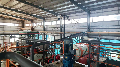
Petroleum Hydrocarbon-Contaminated Soil Remediation: Technical Solutions and Engineering Practices
Discover proven petroleum hydrocarbon soil remediation solutions. Desen Environment offers soil washing and thermal desorption equipment for TPH-contaminated site cleanup with engineering case studies.
Petroleum hydrocarbon (TPH) contamination in soil represents one of the most widespread and persistent environmental challenges facing industrial sites, former oil fields, refineries, and manufacturing facilities worldwide. When underground storage tanks leak, pipeline ruptures occur, or industrial operations release oil-based substances onto open ground, petroleum hydrocarbons penetrate soil matrices and migrate through groundwater systems, threatening ecosystems, drinking water sources, and human health. Traditional remediation approaches such as landfilling or thermal desorption are increasingly regulated, costly, and unsustainable — driving demand for cost-effective, scalable petroleum hydrocarbon soil remediation solutions.
Desen Environment (郑州德森环境) has developed a comprehensive technology platform for oil-contaminated soil remediation combining physical separation, chemical conditioning, and thermal treatment processes. With over 80 TPH remediation projects completed across China, Central Asia, and the Middle East, Desen has established itself as a leading provider of petroleum hydrocarbon remediation equipment capable of treating a wide range of contamination levels — from light petroleum spills at automotive service stations to heavily saturated industrial waste zones.
Understanding Petroleum Hydrocarbon Contamination in Soil
Petroleum hydrocarbons in soil encompass a broad spectrum of organic compounds ranging from volatile short-chain alkanes (C6-C10) to long-chain paraffins, aromatics, and heavy bitumen fractions (C40+). The composition and physical properties of the contamination determine which remediation technologies are most effective. Contamination is typically classified by TPH concentration ranges:
- Low-level contamination: 500-5,000 mg/kg — commonly found at former service stations and fuel distribution terminals
- Medium-level contamination: 5,000-50,000 mg/kg — typical of pipeline leak sites and industrial rail yards
- High-level contamination: 50,000-500,000 mg/kg — associated with refinery waste pits, tank farm overflows, and petrochemical manufacturing zones
- Severe contamination: Above 500,000 mg/kg — found in waste lagoons and deliberate disposal sites
The behavior of petroleum hydrocarbons in soil depends on factors including soil type, organic matter content, moisture levels, and the proportion of different hydrocarbon fractions. Light-end volatile compounds evaporate and biodegrade relatively quickly, while heavy aromatic compounds (such as PAHs — polycyclic aromatic hydrocarbons) and long-chain paraffins persist for decades due to their low aqueous solubility and strong adsorption to soil particles.
Soil Washing Technology for Petroleum Hydrocarbon Removal
Soil washing is a physical separation process that exploits differences in particle size, density, and surface properties between contaminated fine soil fractions and relatively clean coarse particles. For petroleum hydrocarbon remediation, soil washing is particularly effective because petroleum hydrocarbons preferentially bind to fine particles — silt, clay, and organic matter — while sand and gravel fractions remain largely uncontaminated.
The soil washing process for petroleum hydrocarbon removal typically involves the following stages:
1. Feed Preparation and Pre-Screening
Contaminated soil is excavated and transported to the treatment facility, where a primary grizzly screen or vibrating feeder removes oversized debris — rocks, concrete fragments, vegetation, and metal objects — that could damage downstream equipment. A second screening stage at 10-20 mm separates coarse aggregate fractions from the fine soil matrix that carries the majority of hydrocarbon contamination.
2. Soil Washing and Contaminant Release
Fine soil fractions are fed into a scrubbing drum or attrition cell where mechanical agitation, water injection, and surfactant addition work together to detach petroleum hydrocarbons from soil particle surfaces. Desen Environment's DS-SW series soil washing units use a counter-flow scrubbing configuration where soil and washing water move in opposite directions, maximizing contaminant release efficiency. Surfactant dosing (typically 0.5-3% by weight of soil) reduces surface tension at the oil-water-soil interface, breaking emulsions and releasing adsorbed hydrocarbons.
3. Oil-Water Separation
The slurry generated from the scrubbing stage — containing suspended fine soil particles, detached petroleum hydrocarbons, and wash water — is directed to a flotation tank or oil-water separator. Dissolved air flotation (DAF) units inject fine air bubbles that attach to hydrocarbon droplets, causing them to rise to the surface where they are skimmed off as an oil-rich sludge. The underflow from the DAF unit contains clean(er) fine soil particles in suspension.
4. Fine Particle Classification and Dewatering
Hydrocyclones and decanter centrifuges classify and dewater the fine soil fractions, producing a clean sand/fines product and a concentrated hydrocarbon sludge. The dewatered soil — now meeting regulatory discharge or reuse standards — is available for backfill or landscaping applications. The hydrocarbon sludge collected from the flotation stage is transferred to the thermal treatment unit for final disposal or energy recovery.
5. Thermal Treatment (Optional — for High-Contamination Sites)
For sites where residual hydrocarbon concentrations remain above regulatory thresholds after washing, or for heavily contaminated feed materials, a thermal desorption unit (TDU) provides an additional treatment barrier. Desen Environment integrates rotary kiln thermal desorption systems operating at 300-550 degrees Celsius, where volatilized hydrocarbons are captured and destroyed in an afterburner or condensed for disposal. The combined soil washing + thermal desorption approach achieves total petroleum hydrocarbon (TPH) removal rates exceeding 99.5%.
Desen Environment's Petroleum Hydrocarbon Remediation Equipment
Desen Environment (郑州德森环境) manufactures a complete range of oil-contaminated soil remediation equipment tailored to different contamination profiles and project scales:
DS-SW60 Mobile Soil Washing Unit
The DS-SW60 is a self-contained, skid-mounted soil washing plant with a treatment capacity of 15-30 tonnes per hour. Designed for rapid deployment at contaminated sites, the unit integrates a screening module, attrition scrubbing cell, hydrocyclone classifier, dissolved air flotation tank, and dewatering screen on a single platform. Power is supplied via on-board diesel generator or site electrical connection. The DS-SW60 is ideal for medium-contamination sites (TPH 5,000-50,000 mg/kg) requiring on-site treatment without soil excavation and off-site transport.
DS-SW120 Containerized Soil Washing System
The DS-SW120 is a containerized treatment system sized for high-throughput remediation projects. With a treatment capacity of 50-100 tonnes per hour, the unit is housed in standard 40-foot shipping containers for convenient transport and rapid site installation. The containerized design includes full dust suppression, odor control, and enclosed slurry circuits that meet stringent environmental regulations for urban remediation sites. Thermal desorption modules can be added as modular add-on units when contamination levels require additional treatment.
DS-TDU Rotary Kiln Thermal Desorption System
For severely contaminated sites or regulatory requirements demanding thermal treatment, the DS-TDU rotary kiln system delivers 3-8 tonnes per hour of thermal desorption capacity. Operating temperatures of 300-550 degrees Celsius ensure complete volatilization of petroleum hydrocarbons from C6 through C40 fractions. The DS-TDU integrates a secondary combustion chamber that oxidizes all off-gas hydrocarbons to CO2 and water, meeting EPA and EU BAT (Best Available Techniques) emission standards.
Engineering Case Study: Refinery Site Remediation in Shandong Province
Project background: A former petroleum refinery in Shandong Province required remediation of 45,000 tonnes of TPH-contaminated soil across three distinct waste zones with contamination levels ranging from 15,000 to 280,000 mg/kg. Regulatory requirements mandated a final TPH concentration below 2,000 mg/kg for unrestricted land use.
Treatment approach: Desen Environment deployed a combined soil washing + thermal desorption system comprising a DS-SW120 containerized washing plant and a DS-TDU300 thermal desorption unit. The washing plant treated the full 45,000-tonne volume to reduce bulk hydrocarbon load, with the thermal desorption unit processing approximately 8,000 tonnes of heavily contaminated soil fractions from the high-TPH zones.
Operational results:
- Total throughput: 42,500 tonnes treated over 14 months
- Average TPH removal rate: 96.8% across all zones
- Final TPH concentrations: 450-1,800 mg/kg (all samples below 2,000 mg/kg threshold)
- Clean fill material recovered: 38,600 tonnes (86% of original volume)
- Recovered oil sludge: 1,200 tonnes (sent to licensed hazardous waste incinerator for energy recovery)
- Water recycling rate: 94% (closed-loop wash water circuit with zero discharge)
- Project cost vs. excavation and landfilling: 42% cost savings
Technical Advantages of Soil Washing for TPH Remediation
Compared to alternative petroleum hydrocarbon remediation technologies, soil washing offers several compelling advantages:
- High volume reduction: Typically 60-85% of contaminated soil mass is recovered as clean aggregate, dramatically reducing disposal costs and landfill demand
- Energy efficiency: Soil washing consumes 60-80% less energy than thermal desorption or incineration per tonne of soil treated
- No complete soil destruction: Unlike thermal treatment, soil washing preserves the physical structure of soil, allowing treated fines to be reused as engineered fill or landfill cover
- Scalable deployment: Mobile and containerized units can be deployed on-site, eliminating costs and risks associated with contaminated soil transportation
- Closed-loop water management: Advanced water treatment and recycling systems reduce fresh water consumption and prevent secondary contamination
- Combined with bioremediation: Soil washing as a primary treatment stage followed by land farming or biopile treatment for residual hydrocarbons provides a cost-effective two-stage approach for medium-contamination sites
Selecting the Right Remediation Technology for Petroleum-Contaminated Soil
The choice between soil washing, thermal desorption, bioremediation, or combined approaches depends on several site-specific factors:
- Contamination concentration and hydrocarbon fraction distribution: Sites dominated by light-end hydrocarbons (C6-C20) may be suitable for bioremediation alone, while sites with heavy aromatics and long-chain paraffins require soil washing or thermal treatment
- Soil texture and clay content: Soil washing is most effective in sandy soils with low clay content (<20%). Clay-rich soils may require soil washing followed by chemical extraction or stabilization
- Project timeline and throughput requirements: Soil washing achieves treatment in days to weeks; bioremediation may require 6-24 months for complete degradation
- Regulatory end-use standards: Stringent residential land-use standards (TPH < 500 mg/kg) may require thermal treatment as a polishing step after washing
- Site conditions and infrastructure: On-site treatment reduces transport logistics complexity but requires adequate space, power supply, and water access
Frequently Asked Questions
What is the minimum contamination level for soil washing to be cost-effective?
Soil washing is generally cost-effective for soils with TPH concentrations above 5,000 mg/kg. Below this threshold, natural attenuation or bioremediation approaches are typically more economical. However, site-specific cost analyses comparing treatment technologies should always be conducted based on actual contamination data, regulatory requirements, and project schedules.
Can soil washing completely remove all petroleum hydrocarbons from soil?
Soil washing alone typically achieves 85-97% TPH removal depending on soil type, contamination profile, and washing intensity. For stringent regulatory standards, combining soil washing with thermal desorption, bioremediation, or chemical oxidation as a polishing step can achieve removal rates exceeding 99.5%.
What happens to the oil sludge generated during the washing process?
The concentrated oil sludge collected from the flotation stage is classified as hazardous waste and must be disposed of through licensed facilities. Desen Environment partners with licensed hazardous waste treatment operators for sludge incineration with energy recovery — converting the hydrocarbon content into thermal energy that can power the treatment plant, creating a partial circular economy outcome.
How long does a typical petroleum hydrocarbon remediation project take?
A soil washing treatment plant processing 30,000-50,000 tonnes of contaminated soil typically operates for 6-18 months depending on throughput capacity and contamination severity. Desen's mobile and containerized units can be mobilized and commissioned within 4-6 weeks of contract award, significantly faster than constructing permanent treatment facilities.
What are the regulatory standards for petroleum hydrocarbon remediation in soil?
Regulatory standards vary significantly by country and intended land use. In China, GB 36600-2018 sets risk-based screening values for TPH in soil, with stringent thresholds for residential land use. In the EU, Soil Threshold Values under the Environmental Liability Directive govern hydrocarbon cleanup levels. Desen Environment's engineering team provides regulatory compliance consulting as part of project delivery, ensuring that treatment targets are aligned with applicable local standards.
Partner with Desen Environment for Petroleum Hydrocarbon Remediation
Desen Environment (郑州德森环境) offers end-to-end petroleum hydrocarbon soil remediation solutions from initial site assessment and contamination profiling through equipment supply, commissioning, operational support, and regulatory compliance documentation. Whether your project involves a small fuel spill or a large-scale refinery decommissioning, Desen's engineering team provides technology recommendations, process design, and equipment packages tailored to your specific site conditions and remediation objectives.
To discuss your petroleum hydrocarbon remediation project requirements, visit materialwashing.com or contact Desen Environment directly. Desen — engineering clean soil, protecting communities, and restoring land to productive use.