River and Lake Dredging Sludge Treatment Equipment: Dewatering and Resource Recovery
Rivers and lakes accumulate sediment loaded with pollutants, organic matter and fine particles that must be removed to restore water quality, navigation depth and flood capacity. Once dredged, this slRivers and lakes accumulate sediment loaded with pollutants, organic matter and fine particles that must be removed to restore water quality, navigation depth and flood capacity. Once dredged, this sludge cannot simply be dumped: it must be dewatered, treated and disposed of or recycled. Purpose-built river and lake dredging sludge treatment equipment turns this costly problem into a manageable, compliant operation with recoverable by-products.
The Challenge of Dredged Sediment
Dredged sludge is characterized by high water content, fine particle distribution and variable contamination. Conventional landfill requires the material to be dewatered to a stable, stackable cake first. Without the right equipment, operators face slow drying, high transport costs and difficulty meeting discharge limits for the separated water.
Core Treatment Steps
- Reception and conditioning of dredged material to stabilize particle size
- Mechanical dewatering with filter presses to produce low-moisture filter cake
- Clarification and treatment of the separated water before reuse or discharge
- Options for washing and classifying the sediment to recover sand and aggregate
Equipment That Makes Dredging Projects Feasible
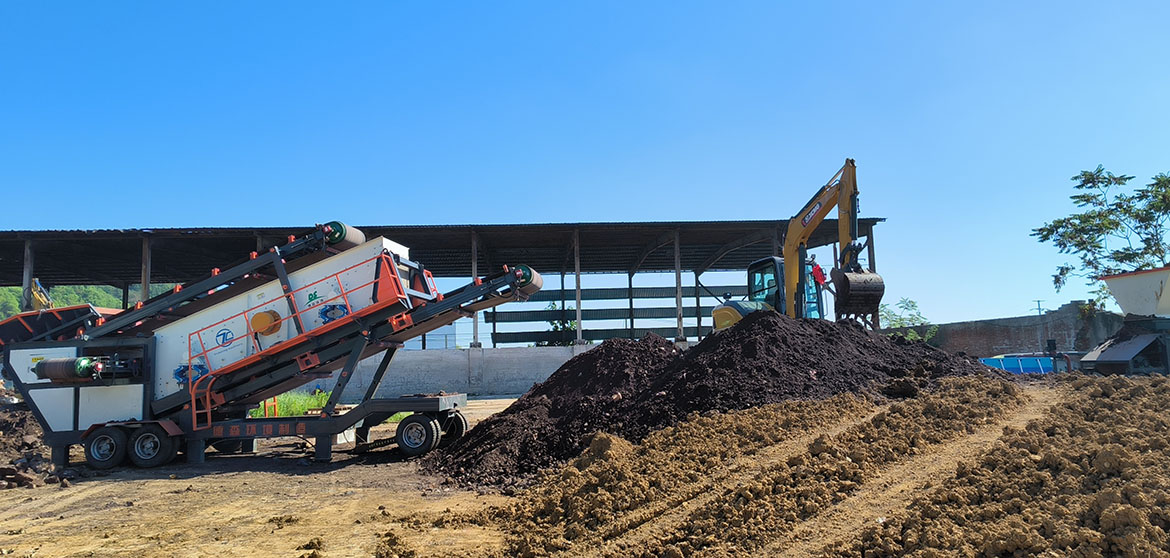
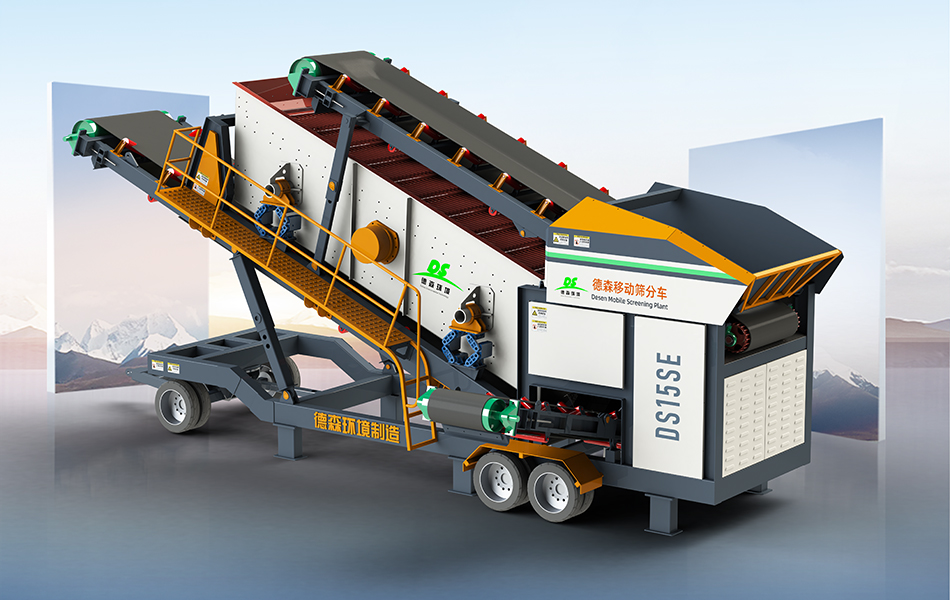
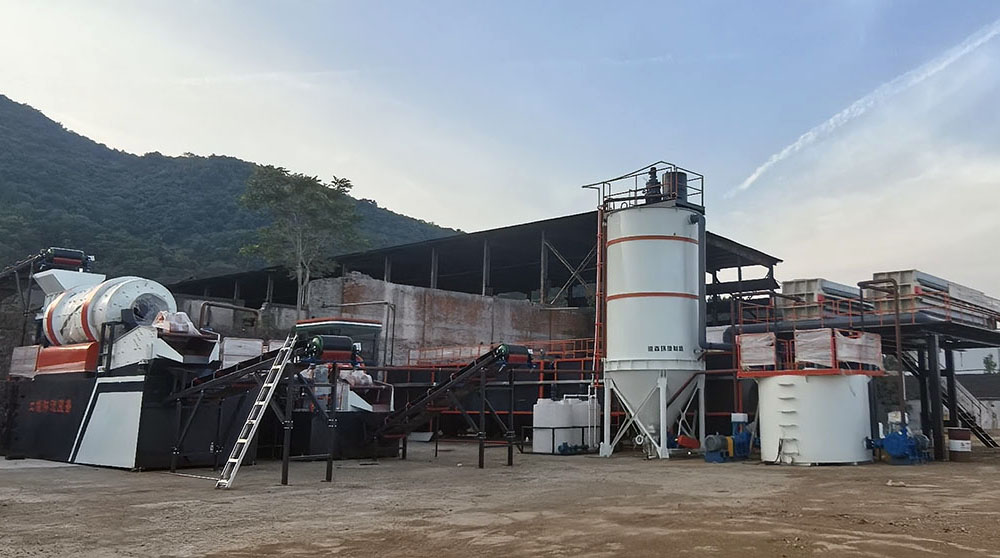
Desen Environmental Technology supplies modular river and lake dredging sludge treatment equipment that can be transported to remote sites and commissioned quickly. The same platform supports dewatering, solid-liquid separation and sediment washing configurations depending on the project target.
Dewatering and Solid-Liquid Separation Systems
- High-throughput filter press dewatering with low energy consumption and 24-hour automatic operation
- Sludge thickening and clarification modules for clean recycle water
- Mobile solid-liquid separation units for seasonal and remote dredging campaigns
- Modular plant layouts with PLC control and small operating crews
From Disposal to Resource Recovery
Modern dredged sludge treatment goes beyond dewatering. With additional washing and classification modules, fine sand and aggregate fractions can be recovered from the sediment and reused in construction, while the organic-rich fraction can be directed to beneficial use. This approach reduces disposal volume and turns part of the dredging cost into recovered value.
Choosing the Right Dredged Sludge Treatment System
Selecting a system starts with characterizing the sediment: water content, particle size distribution and contaminant levels determine the number of stages and the capacity required. Desen works with operators to size mobile or fixed solutions from 8 to 200 tonnes per hour, backed by experience from more than 1,000 environmental projects across over 100 countries.
Talk to our engineers about a river and lake dredging sludge treatment equipment package tailored to your water body, sediment volume and regulatory requirements.