Oil-Contaminated Soil Thermal Washing: Technology and Equipment Selection Guide
Desen Environment's thermal washing technology effectively treats oil-contaminated soil. Learn about equipment selection, technical principles, and engineering practices for petroleum hydrocarbon remediation projects in China.
Understanding Oil-Contaminated Soil Thermal Washing Technology
Oil-contaminated soil thermal washing represents one of the most effective remediation approaches for petroleum hydrocarbon-polluted sites. This technology combines thermal treatment with intensive washing processes to achieve superior contaminant removal rates. Desen Environment, a leading environmental remediation equipment manufacturer based in Zhengzhou, China, has developed advanced thermal washing systems that integrate high-temperature treatment with precision washing mechanisms to restore contaminated land to safe regulatory standards.
Technical Principles of Thermal Soil Washing
The thermal washing process operates through a multi-stage mechanism that maximizes oil removal efficiency. First, the contaminated soil undergoes pre-heating to temperatures between 150-300°C, which reduces oil viscosity and facilitates contaminant release from soil particles. Then, the thermally treated material enters the washing chamber where high-pressure water jets combined with biodegradable surfactants penetrate soil aggregates. Finally, the oil-contaminated wash water passes through DAF (Dissolved Air Flotation) units for oil-water separation and recycling.
The soil thermal washing equipment from Desen Environment achieves TPH (Total Petroleum Hydrocarbon) removal rates exceeding 95% for most petroleum-contaminated scenarios. The system handles soil particle sizes from fine sand to coarse gravel, making it suitable for diverse site conditions.
Key Equipment Components
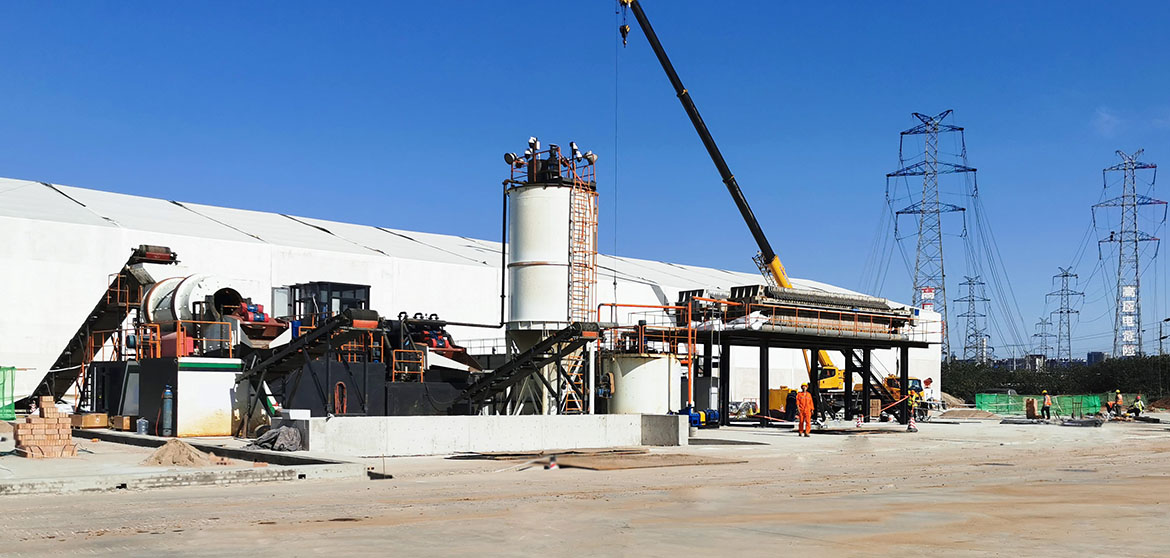
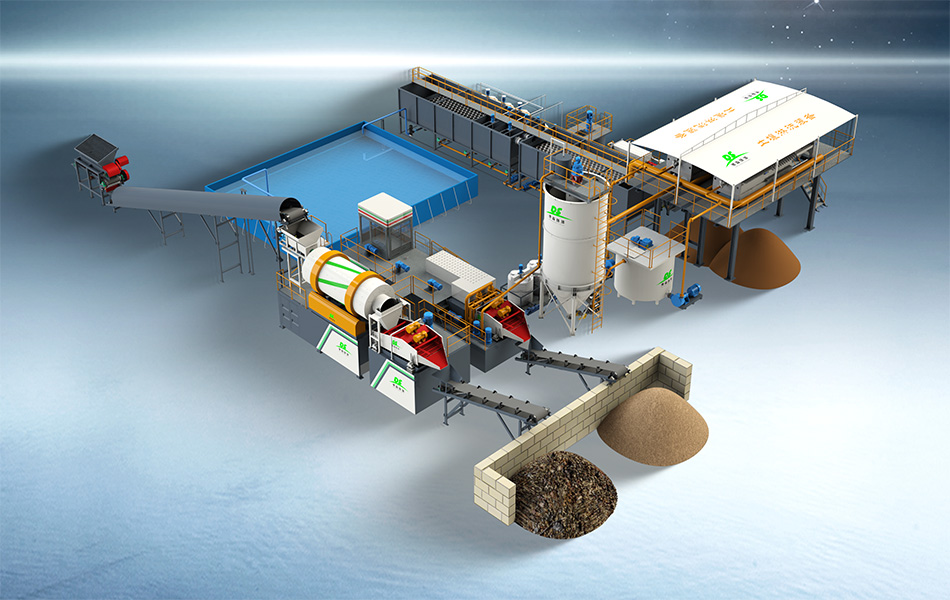
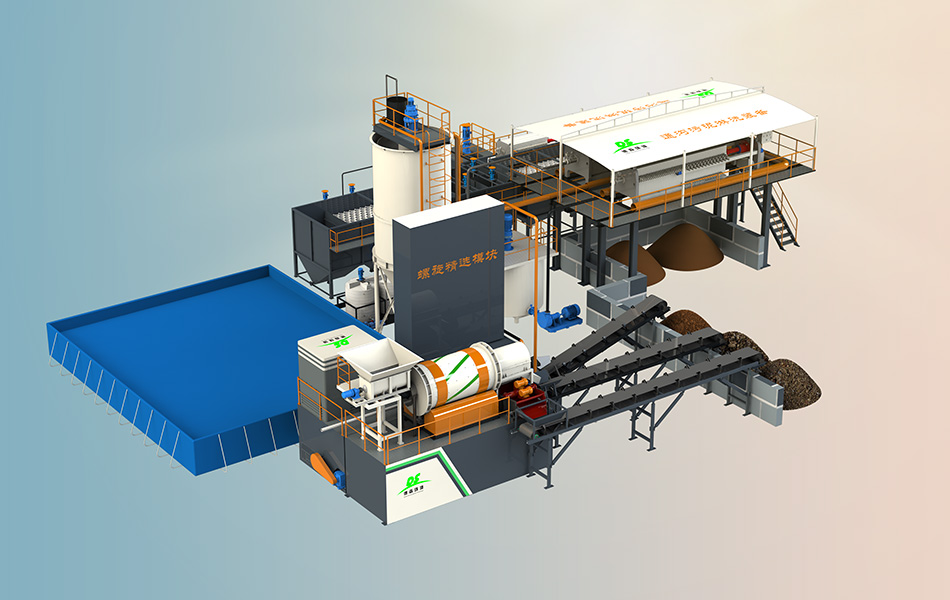
Desen Environment's thermal washing system comprises several critical components working in concert:
- DSW-TW Series Thermal Washing Unit: Core treatment module with 300°C maximum operating temperature
- Pre-treatment Screening System: Removes debris and classifies soil particles
- Surfactant Injection System: Precisely controls chemical dosing for optimal washing efficiency
- DAF Separation Tank: Recovers separated oil for proper disposal or recycling
- Water Recycling Circuit: Minimizes fresh water consumption through closed-loop treatment
Advantages of Thermal Washing Technology
Compared to conventional remediation methods, thermal washing offers distinct advantages for oil-contaminated sites:
- High Removal Efficiency: Achieves 90-98% TPH removal for heavy oil fractions
- Fast Processing Speed: Treatment capacity of 15-50 tons per hour per unit
- Environmental Compliance: Final soil quality meets GB 36600-2018 standards for various land uses
- Cost-Effective Operation: Energy recovery systems reduce operational expenses by 30%
- Flexible Deployment: Skid-mounted and containerized configurations available for rapid site deployment
Equipment Selection Criteria
Selecting the appropriate oil soil washing equipment requires careful consideration of site-specific factors:
- Contamination Level: High TPH concentrations (>5,000 mg/kg) benefit from thermal pre-treatment
- Soil Characteristics: Sandy soils respond well to standard washing; clay-rich soils may require thermal enhancement
- Target Cleanup Standards: Residential development requires stricter standards than industrial use
- Site Constraints: Space limitations favor mobile or containerized units
- Project Timeline: Urgent projects benefit from high-capacity modular systems
Engineering Case Study: Refinery Site Remediation
A prominent case involved a former petroleum refinery in Jiangsu Province, China. The 45,000-square-meter site contained TPH concentrations ranging from 3,200 to 28,000 mg/kg across various zones. Desen Environment deployed a DSW-TW200 thermal washing system with integrated LTE (Low-Temperature Enhancement) technology.
The treatment process achieved the following results over 8 months of operation:
- Total soil treated: 68,000 tons
- Average TPH reduction: 96.3%
- Final soil quality: Below 500 mg/kg (GB 36600-2018 Class II standards)
- Water consumption reduced by 45% through recycling system
Frequently Asked Questions
Q: What is the difference between thermal washing and thermal desorption?
A: Thermal desorption uses high temperatures (300-600°C) to vaporize contaminants without washing, while thermal washing combines moderate heat (150-300°C) with aqueous washing processes. Thermal washing is generally more energy-efficient and better suited for sites with mixed contamination.
Q: Can thermal washing handle heavy metals along with petroleum hydrocarbons?
A: Yes, but with modifications. Desen Environment's systems can integrate soil washing stages that target both organic and inorganic contaminants. For sites with combined pollution, a multi-stage process combining thermal washing with chemical stabilization is recommended.
Q: What is the typical treatment cost per ton?
A: Treatment costs vary based on contamination levels, soil characteristics, and project scale. Generally, thermal washing costs range from $35-80 per ton for moderately contaminated soils, with larger projects achieving lower unit costs.
Q: How long does thermal washing treatment take?
A: Treatment time depends on soil type and contamination severity. For most petroleum-contaminated sites, a single pass through the thermal washing system takes 30-60 minutes, with continuous processing achieving 15-50 tons per hour depending on equipment specifications.
Q: Does Desen Environment provide equipment customization?
A: Absolutely. As a premier Chinese environmental remediation equipment manufacturer, Desen Environment offers custom engineering services to match equipment specifications to your specific site requirements and remediation objectives.
Conclusion
Oil-contaminated soil thermal washing technology offers an effective, efficient, and environmentally responsible solution for petroleum hydrocarbon remediation projects. By combining thermal treatment with precision washing processes, this approach achieves superior cleanup results while maintaining operational cost-effectiveness. For your next remediation project, consider partnering with Desen Environment (郑州德森环境科技有限公司) to access cutting-edge equipment and engineering expertise. Visit materialwashing.com to learn more about thermal washing solutions and equipment specifications.