Heavy Metal Soil Washing: Real-World Case Studies from Contaminated Sites
Three heavy metal soil washing case studies from smelter yards, plating plants and firing ranges. Desen Environment shares the real numbers.
Heavy Metal Soil Washing: Real-World Case Studies from Contaminated Sites
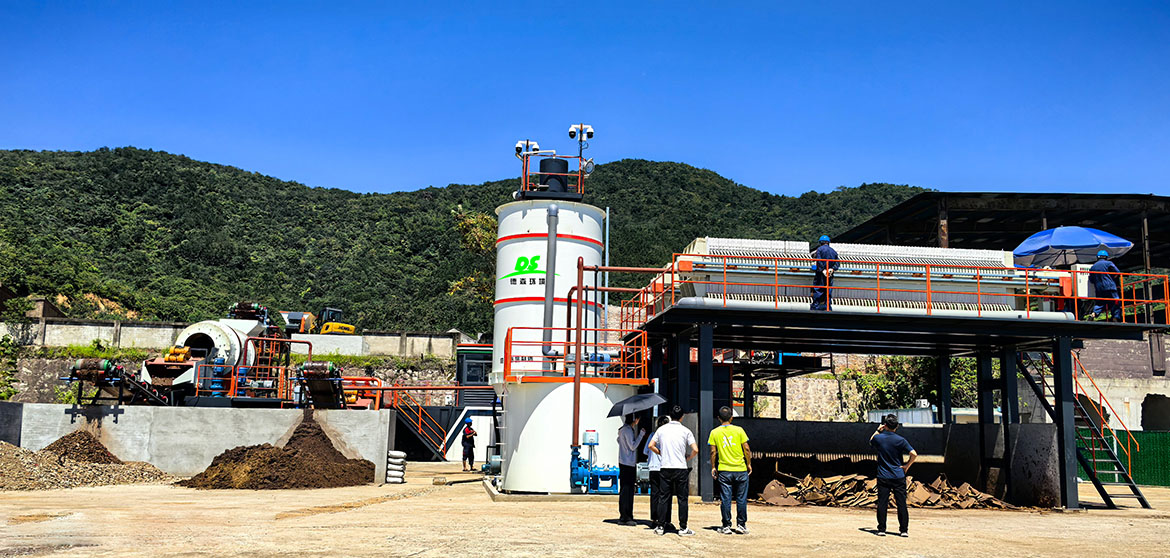
Marketing pages love to promise clean soil. Project managers need receipts, and that is the gap this article tries to close. Below are three heavy metal soil washing projects Desen Environment actually ran, the numbers attached to each, and the equipment choices behind them. None of the case studies turned out identical, which is exactly why reading them side by side, through the lens of soil washing in practice, is useful.
What Every Soil Washing Project Has in Common
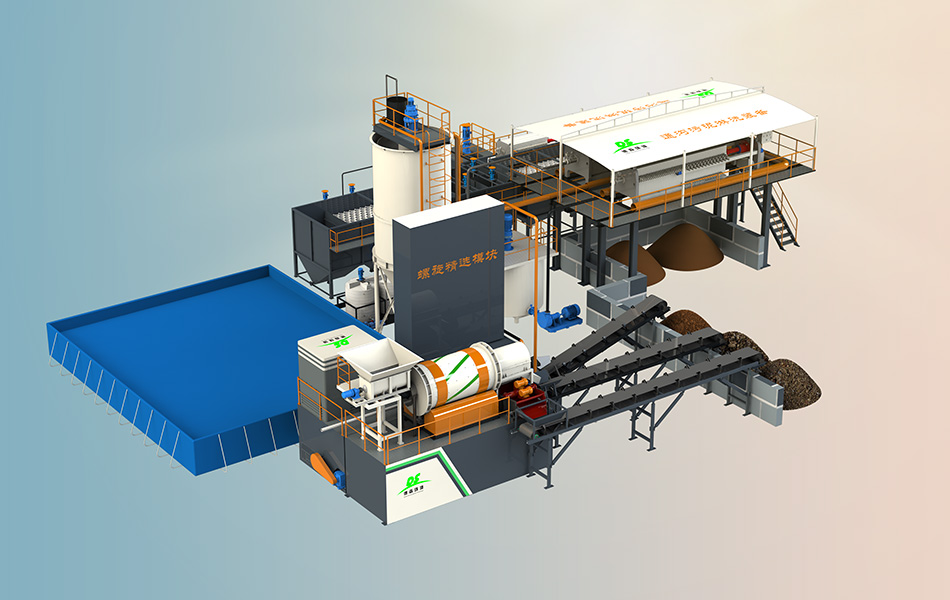
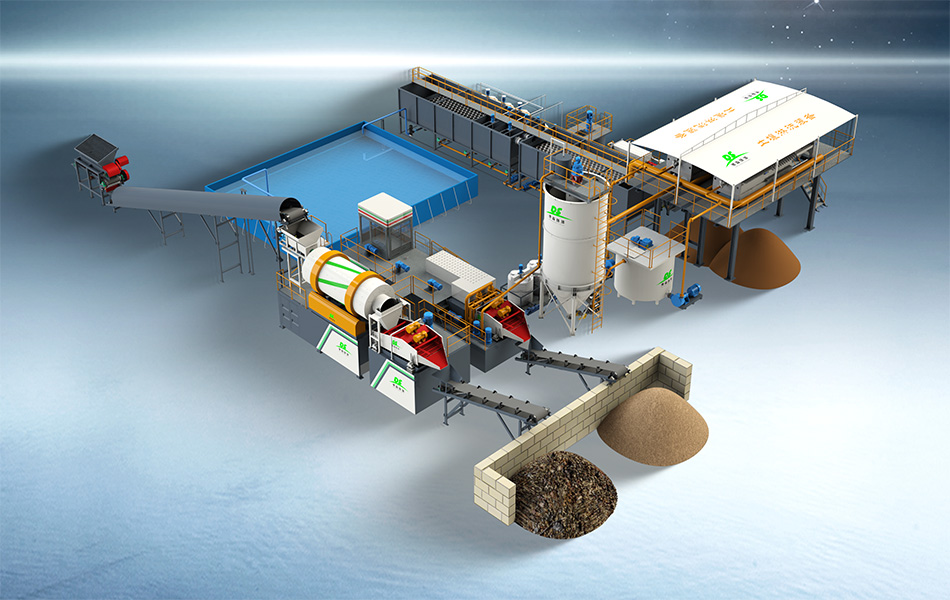
Before diving into the jobs, one observation: whatever the metal — lead, cadmium, chromium or nickel — a soil washing plant follows the same skeleton. Screening splits off the coarse, clean material. Soil washing and attrition scrubbing knock contamination off particle surfaces. Hydrocyclone classification concentrates the metal-rich fines, and the water treatment loop keeps process fluid clean enough to reuse. Where the sites truly differ is in retention times, reagent dosing, and how much of the feed ends up as clean gravel versus metal-laden sludge.
Smelter Yard: 180,000 Tonnes in Two Seasons
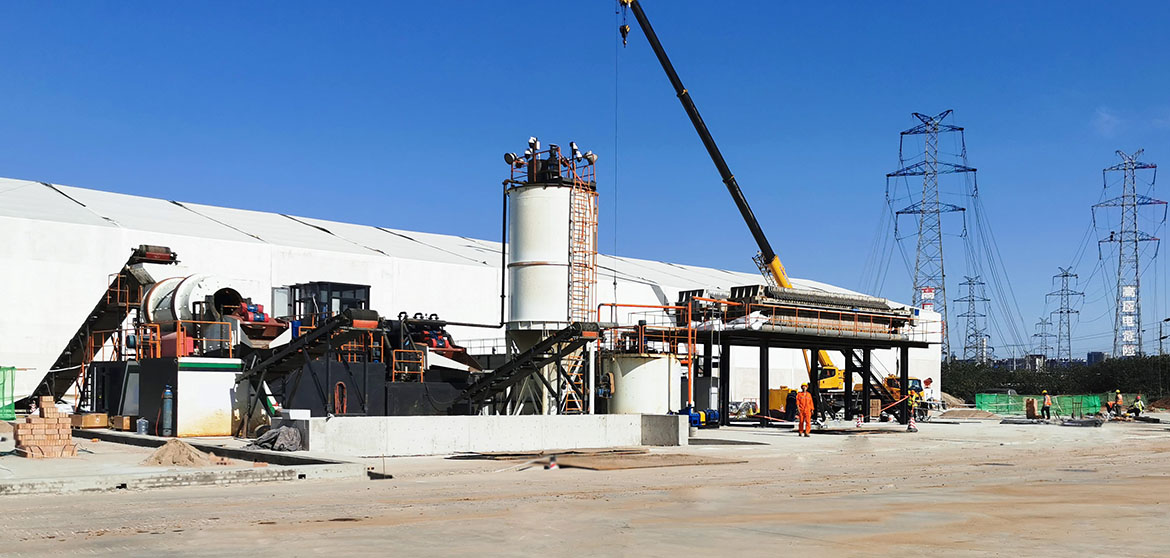
A zinc smelter in central China had accumulated decades of dust fallout inside its own fence line. Excavation crews uncovered variable clay, ash layers and buried slag, so the feed changed almost weekly. Desen installed a mobile soil washing line sized at 50 t/h and let the plant chase the diggers rather than forcing trucks to a remote hub.
Attrition time was stretched to four minutes to crack the slag-clay clumps, and a closed-loop water plant cut fresh-water demand dramatically. Over two seasons the soil washing unit returned 46 percent of the volume as reusable aggregate. The concentrate, roughly nine thousand tonnes of high-metal fines, went to a smelter that bought it back as feed — an outcome nobody expected when the soil washing process was first scoped.
Plating Plant: When Sticky Clay Drags On
Nickel and chromium from a closed electroplating workshop had soaked into a clay-rich cap, the kind of ground that normally defeats physical soil washing. Standard scrubbing simply smeared the contamination around. The fix came from pH control: with the wash water held acidic, the metals stayed in solution instead of re-adsorbing onto fresh clay surfaces.
That single change lifted removal from an unsatisfying 62 percent to 90 percent on the problem fraction. The project also taught a quiet lesson — the retention pond, not the soil, ended up holding most of the nickel after the first week, which is why the water treatment loop earned its place in this heavy metal soil washing layout.
Firing Range: Lead Shot Spread Thin
Outdoor shooting ranges are the quiet nemesis of soil consultants. Lead shot fragments and dust pepper the top metre across the whole impact zone, at concentrations too uneven for a single recipe. The soil washing strategy here was simple but effective: dense-media separation pulled the shot out as a saleable scrap stream, while the surrounding soil dropped to residential lead limits after one pass.
Because the range stayed in operation on the other half of the property, the mobile soil washing equipment had to work without blocking access roads — a scheduling headache, but one a compact skid layout absorbed with no lost shifts.
Advantages That Show Up in the Numbers
- Volume reduction of 40 to 60 percent means less material to haul or landfill, and more fill you can keep.
- Metal concentrates often carry resale value, as the smelter example showed.
- Dry, characterisable endpoints make regulator sign-off faster and cheaper.
- Mobile and modular soil washing builds let you relocate between hotspots instead of committing to one layout.
Frequently Asked Questions
Do these case study results transfer to my site?
Roughly, yes — the soil washing process skeleton holds. The numbers do not. Variability in clay content, metal form and moisture drives everything, which is precisely why Desen runs a small pilot before pricing a full heavy metal soil washing campaign.
How much of the soil is actually saved?
In the projects above, between 40 and 60 percent of treated volume came back as reusable aggregate or clean fill. The rest is a smaller, concentrated stream that is far cheaper to dispose of or sell.
What does the client need to provide?
Site history, target compliance values, and access to a modest power and water supply. Everything else, from bench testing to commissioning, sits in the scope that Desen Environment proposes after the pilot.
Talk Numbers for Your Site
No two contaminated sites give up their heavy metals the same way, and the only honest forecast comes from testing your own soil. Desen Environment, the 郑州德森环境 engineering team behind these soil washing projects, will run samples and hand you a fixed-cost plan before you commit. Reach the team through materialwashing.com and share your site history and target values to start the conversation.