Mobile Soil Washing Equipment for Heavy Metal Site Remediation
How mobile soil washing equipment cleans heavy metal contaminated sites on location, with removal rates and real project data from Desen Environment.
Mobile Soil Washing Equipment for Heavy Metal Site Remediation
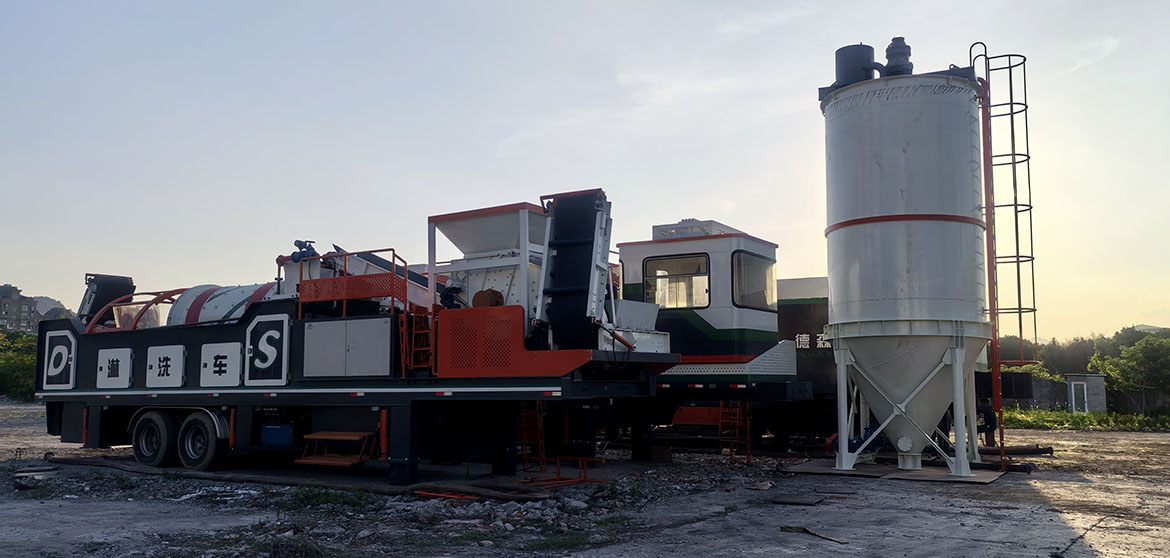
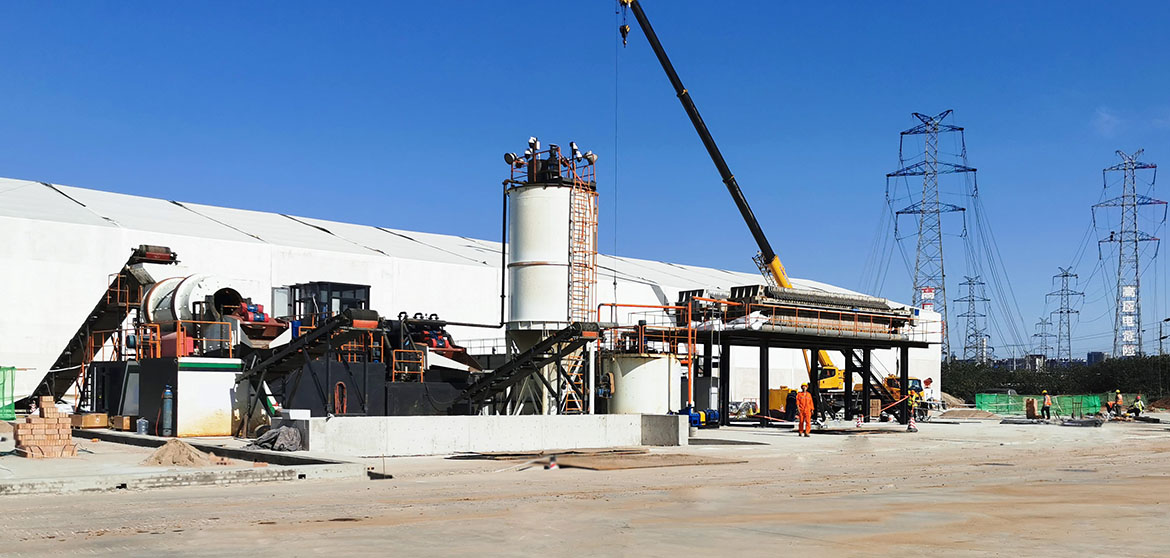
Heavy metal contamination does not stay put. Lead, cadmium, arsenic and nickel ride groundwater, drift as dust, and linger in soil for decades. Cleaning a site like this once meant excavating everything and shipping it to a distant treatment yard. Mobile soil washing equipment rewrites that equation. Built by Desen Environment in Zhengzhou, these plants travel to the problem, strip out the metals, and hand back fill that can genuinely be reused. This article covers how a soil washing plant tackles heavy metal sites, where the economics turn in the contractor's favour, and what the field data actually says after a full soil washing campaign.
The Principle: Metals Live in the Fine Fraction
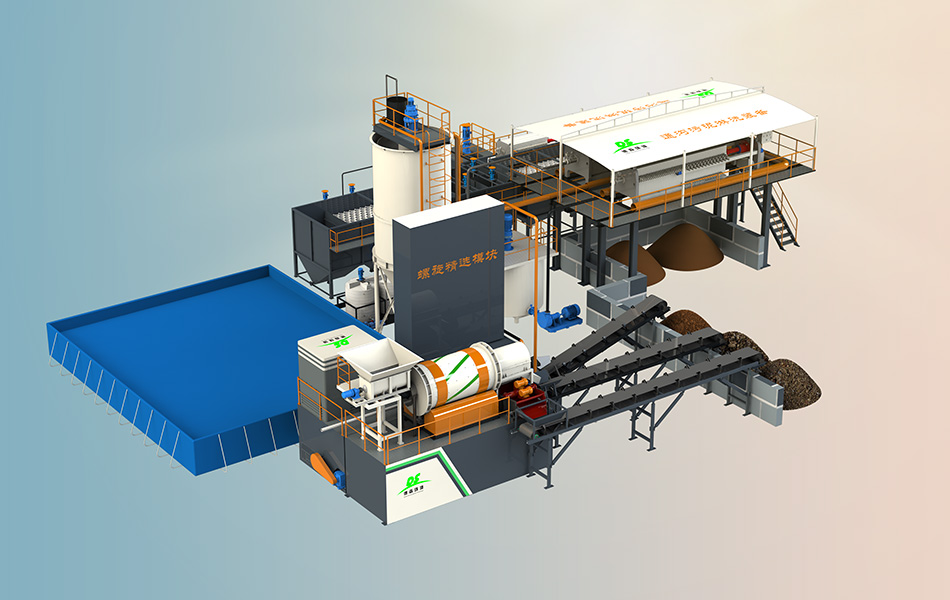
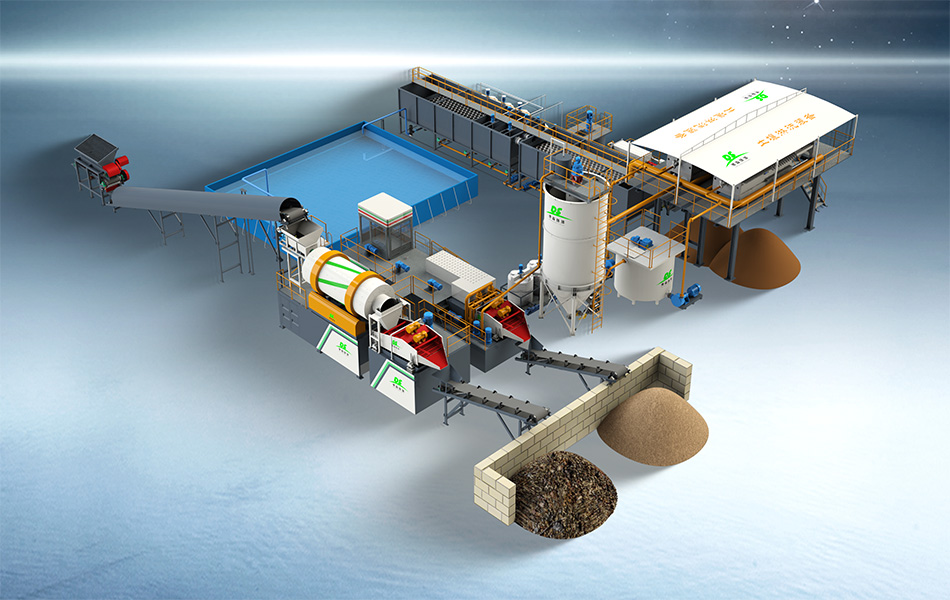
Soil washing banks on a well-documented fact: heavy metals bind mostly to silt and clay, the particles that carry the largest surface area per gram. The sand and gravel on most sites hold only a fraction of the load. A soil washing plant exploits that by splitting the feed into size classes and treating only what truly needs treatment.
The first pass of the soil washing process is screening and hydrocyclone classification. Oversize stones come out clean after a light rinse, and the troublesome fine fraction moves into attrition scrubbing. Where stubborn metals remain, a short chemical-enhanced wash step finishes the job. Water and reagents circulate in a closed loop, so a 30 t/h mobile soil washing unit can run a full shift on a surprisingly modest water supply.
Why Mobile Soil Washing Earns Its Keep on Metal Sites
Metal-contaminated ground rarely arrives in one neat block. Sites sprawl around tanks, buildings, old drainage lines and zones you cannot touch until demolition. A fixed plant forces you to truck material across those distances; mobile soil washing equipment follows the excavation front as it moves.
- Setup runs in days, not months. Most Desen mobile soil washing lines commission within ten working days.
- Capacity scales to match multi-year projects stage by stage, so you pay for what you need when you need it.
- Clean soil stays on location, cutting haulage and landfill bills in the same stroke.
- Removal rates of 85 to 95 percent for lead, cadmium and nickel are routine on well-characterised feeds.
Rental and build-own-operate arrangements also lower the capital hurdle of heavy metal soil remediation, which matters when a brownfield sale is waiting on the cleanup certificate.
Field Lessons from Desen Environment Projects
At one electronics-park job in East Asia, the team treated 120,000 tonnes of cadmium-tainted clay across two seasons. The client wanted reuse-grade soil, not landfill. After screening, the soil washing system sent 38 percent of the volume back to the site as clean granular fill, while the metal-rich fines went to a certified facility. Total treatment cost landed roughly a third below the haul-and-dispose alternative to soil washing equipment.
Smelting residue sites behave differently. There, oxides and slag fines demand a longer attrition stage, and pH control decides whether the heavy metals stay in solution long enough to be pulled out. That is why Desen runs pilot tests on site samples before quoting a fixed price for a soil washing campaign, instead of guessing from a laboratory report alone.
Frequently Asked Questions
Can mobile soil washing handle every heavy metal?
No method removes every metal in every form. Hexavalent chromium needs reduction before washing, and some organo-metallic compounds resist plain water separation. A bench test on fifty kilograms of site soil tells you the truth before soil washing equipment mobilises.
Is the cleaned soil safe to reuse?
That depends on the local target values. Most Desen projects reach residential standards after polishing, so the fill returns to gardens and landscaping instead of a cell in landfill, with independent laboratories verifying each batch.
How long does a mobile soil washing plant stay at one site?
Typical campaigns run from a few months to two seasons. When the job ends, the plant breaks down into a handful of containers and moves on, leaving no permanent footprint behind.
Scoping a Mobile Programme
Every contaminated site tells a different story, so Desen Environment starts with samples, then a process test, then a fixed-cost proposal. If you are facing a heavy metal site and want a number you can take to the regulator, contact the 郑州德森环境 team through materialwashing.com with your site history and target values.