Designing a Soil Washing Plant: Process Flow, Equipment Choices and Advantages That Drive Payback
Learn the soil washing plant design flow: key equipment choices, technical advantages and what drives project payback.
Designing a Soil Washing Plant: Process Flow, Equipment Choices and Advantages That Drive Payback
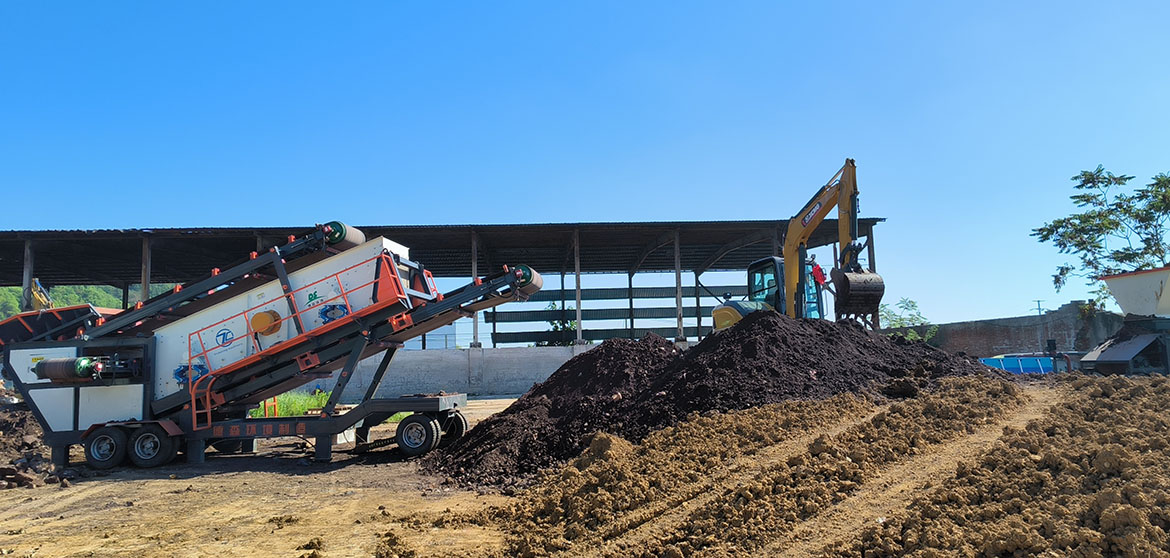
Every soil washing plant starts the same way: with a bucket of contaminated soil and a question about how clean that soil has to be before it leaves the site. Once the target concentrations are set, the plant design follows a fairly predictable chain—supply the soil to a scrubber, tear the aggregates apart, split the fines from the sand, and treat the water so it can be reused. Where most projects go wrong is not in the chemistry but in the engineering decisions taken before the first truck arrives. This article looks at the process flow stage by stage, the equipment that carries each step, and the design choices that decide whether a plant runs at 80% uptime or falls into a constant repair loop.
Reading the Soil Data First
Design starts with a proper particle size analysis and a contaminant breakdown. A soil that is 70% sand behaves completely differently from a clay-heavy cut, even when the pollutant load is identical. Clay holds contaminants on its surface and inside agglomerates, which means it needs more scrubbing energy and more retention time in the drum. Sandy soil, by contrast, mostly needs a good washing and a clean rinse. The water chemistry matters too—hard water or high salinity affects flocculant dosing and scaling inside the pipes. Budget time for a lab report before anyone starts quoting throughput numbers.
The Process Flow, Step by Step
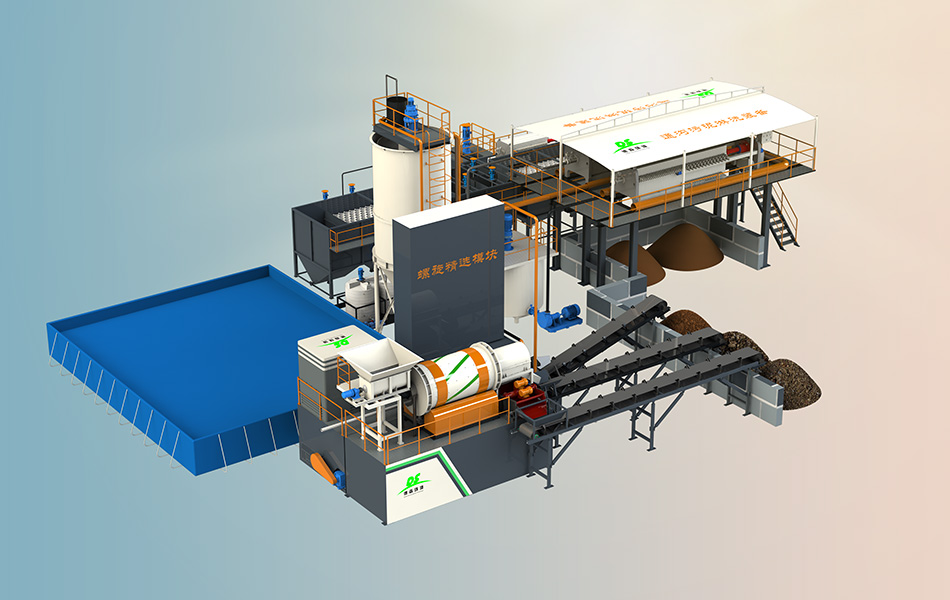
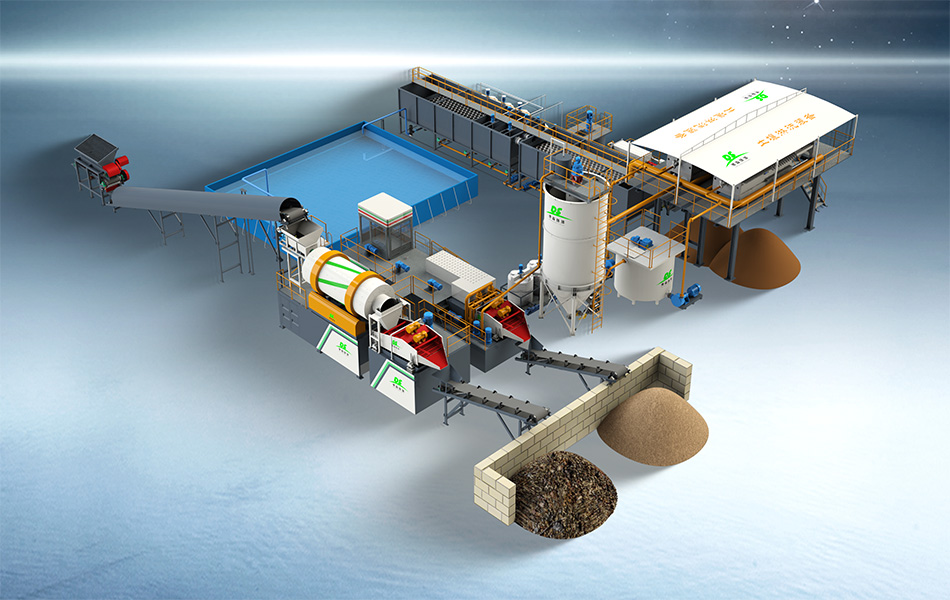
A well-laid-out process flow keeps the material moving in one direction and the water flowing in a loop. The main stations look like this:
feeding and pre-screening, where oversize rocks and debris are pulled before they reach the scrubber;
a drum scrubber that disaggregates the lumps and knocks contaminants off the coarse fraction;
a vibrating wash screen where the clean aggregate is rinsed and removed as product;
hydrocyclones or a tertiary cycloning stage that classifies the fine sand and thickens the slurry;
a filter press or dewatering unit that turns the fines into a cake you can actually haul away;
a water treatment loop that clarifies the washwater and sends it straight back to the front.
Notice the loop. A soil washing plant that treats and recycles its process water is dramatically cheaper to run, and in many regions it is the only option that passes environmental permits. The same loop also concentrates the contaminants into a small, manageable stream instead of spreading them across a huge volume of dirty washwater.
The Equipment Choices That Matter Most
Three pieces of equipment deserve the most attention during design. The first is the scrubber. Counter-current drums with replaceable liners and adjustable retention time handle the widest range of soils, which is why most mobile plants from Desen Environment ship with a heavy-duty drum scrubber as the centrepiece. The second is the screen deck—make sure the apertures match your product spec, because oversize or undersize openings quietly steal yield. The third is the dewatering package. If the cake comes out too wet, transport costs explode and the disposal site invoices you for the water weight.
Sizing matters just as much as selection. Nominal throughput and real throughput are rarely the same number. Add 15-20% design margin for feed variability, and never size the water treatment loop smaller than the wash circuit, or the whole plant throttles down to whatever the bottle-neck allows. These are the kind of decisions that separate a soil washing plant that hits its tonnage target from one that runs at half speed.
Why Process Engineering Is the Real Advantage
Two plants with the same equipment list can perform entirely differently. The difference is in how the stages are sized, sequenced, and connected. Feed that is consistent, water chemistry that is controlled, and a fines handling route that does not back up the line are worth more than a bigger motor on the scrubber. A well-run soil washing plant is one where the crew rarely touches the controls, because the design already smooths out the variations. Contractors who build soil washing systems on sound process design routinely see higher sand recovery, lower reagent consumption, and a shorter learning curve for the site crew. That combination translates directly into payback—especially on fast-moving remediation jobs where every idle hour costs money.
A Reference Point from the Field
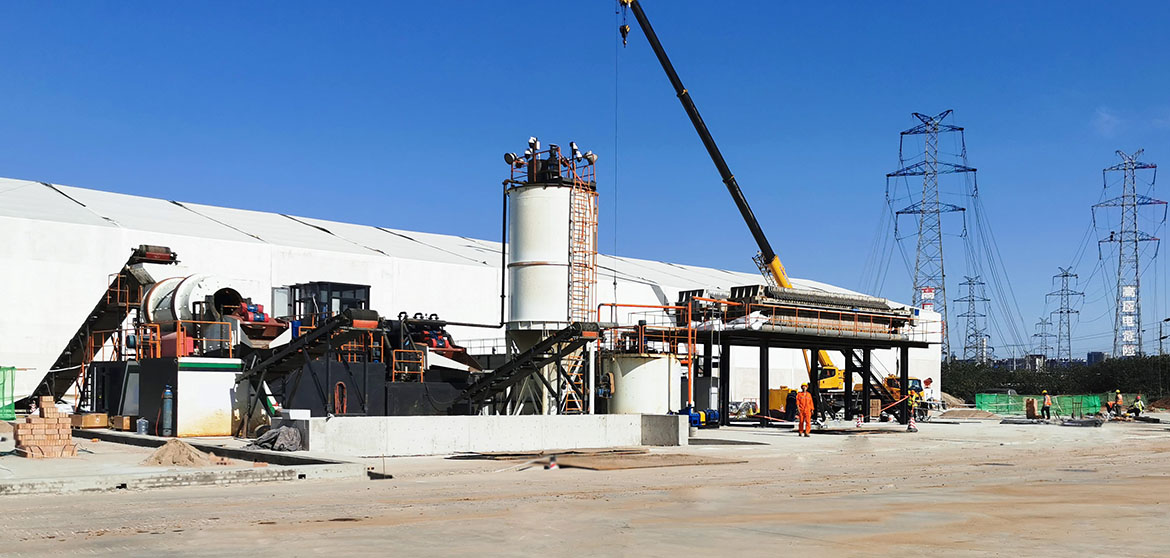
One 2025 deployment in East China used a 100 t/h soil washing plant to handle a smelting-area backfill. The feed ranged from 30% fines one day to nearly 60% the next, which would have stalled a rigidly tuned line. Because the plant had adjustable scrubber retention and a flexible cyclone arrangement, the crew kept the sand quality on spec through the whole campaign, and the recycled water package meant makeup water was under 15% of the flow. Details like that are exactly what a good process layout buys you in the field.
Frequently Asked Questions
How clean can soil washing actually get the soil?
It depends on the contaminant and the target. For many metals and petroleum fractions, washing brings concentrations down within site-specific limits, especially on coarser soils. Fines and heavily weathered contamination may need a polishing step such as chemical dosing or a second wash stage.
How long does a typical plant take to set up on site?
A mobile or modular line is usually producing within one to two weeks of arriving, including civil works and commissioning. Fixed installations take longer but offer higher throughput for long-duration projects.
Is the washwater really recycled?
Yes. Modern plants treat and recirculate the process water continuously, with only makeup lost to the cake and evaporation. This cuts both water bills and the risk of environmental fines on discharge.
How do I choose between mobile, modular and fixed configurations?
Match the configuration to the project horizon and the soil volume. Short jobs and multiple sites favour mobile or modular units; a decade-long, high-tonnage program may justify a fixed plant. The Desen team in Zhengzhou (郑州德森环境) builds all three, so it is worth walking your project parameters through their engineering desk before deciding.
Closing Thoughts
A soil washing plant is only as good as its process design. Read the soil, sequence the stages sensibly, size the water loop honestly, and choose equipment with service life in mind. When those fundamentals are in place, soil washing becomes a fast, low-cost way to turn contaminated land back into a usable asset. For more on plant layouts, mobile units and project case studies, check the engineering resources at materialwashing.com.