Hot Water Thermal Soil Washing for Oil-Contaminated Soil: Equipment Selection, Energy Costs and Field Results
Hot water thermal soil washing strips oil from contaminated soil efficiently. Process, equipment selection, energy costs and field results.
Hot Water Thermal Soil Washing for Oil-Contaminated Soil: Equipment Selection, Energy Costs and Field Results
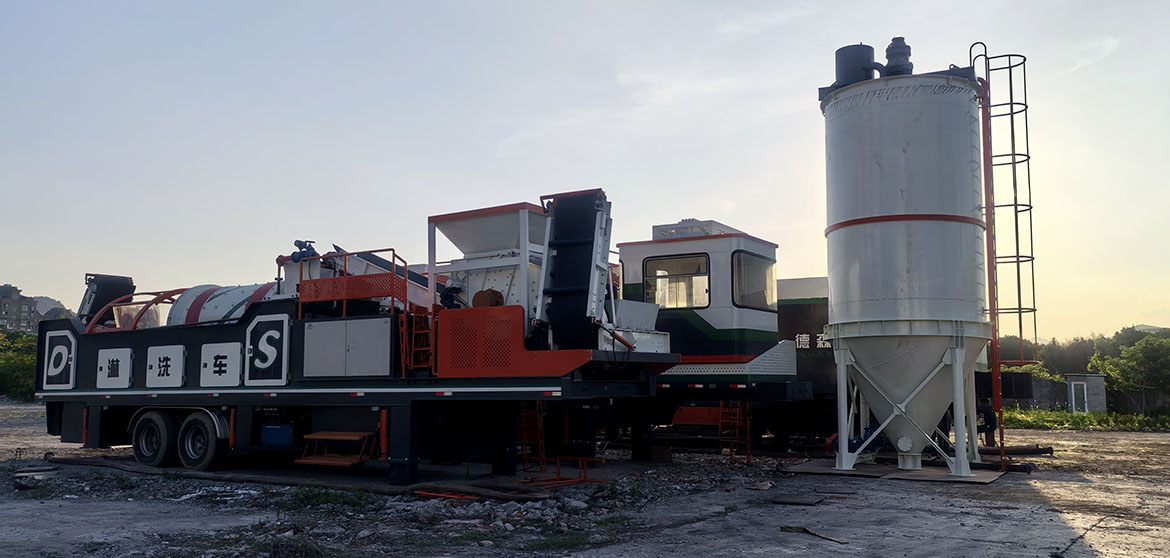
Oil-contaminated soil is stubborn. Cold water alone loosens the top layer of grease, but the heavier hydrocarbon fraction—the stuff that smells and binds itself to clay—barely budges. That is why a growing number of contractors are turning to thermal soil washing, where the wash water is heated to a set temperature before it ever reaches the soil. The idea is simple: heat lowers oil viscosity, the hot water breaks the bond between the hydrocarbon film and the particle surface, and the released oil rides on the washwater surface where it can be skimmed off. This article walks through how the process behaves in the field, what equipment it demands, and where it pays off for real projects.
Why Heat Changes the Game for Oily Soil
Think about cleaning a frying pan. Cold water smears the fat around; hot water strips it off in one pass. The same physics applies underground. Most petroleum molecules cling to soil through surface tension and a thin, sometimes-aged film. Heating the water to 50-70°C thins that film, drops the oil's viscosity sharply, and makes the solids-and-oil separation far easier inside the scrubber and the downstream screens. Field operators consistently report two things after switching to hot water: shorter retention times inside the washing unit, and a visibly cleaner sand fraction coming off the screens.
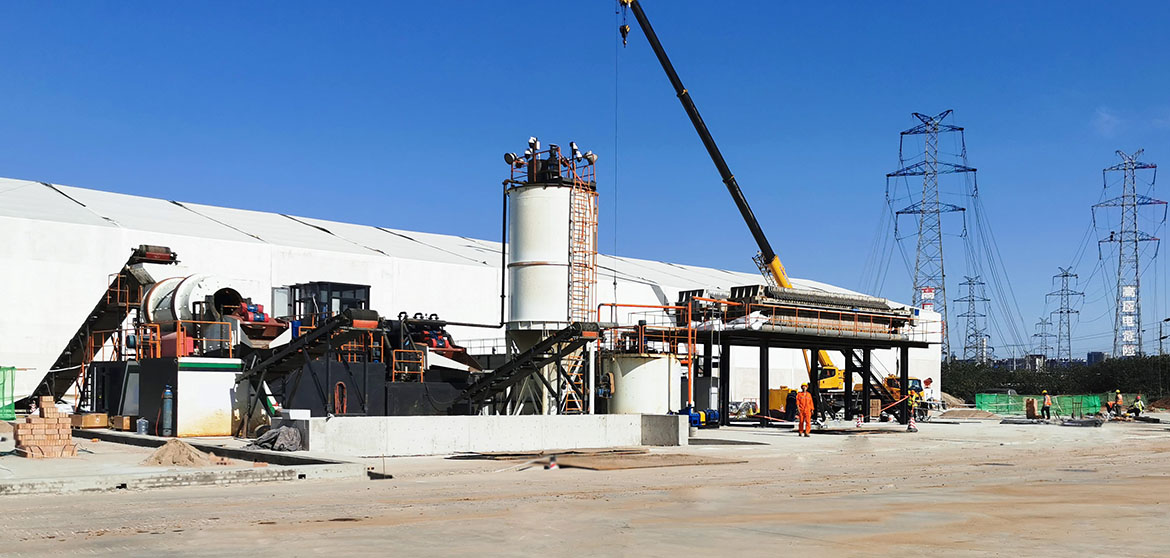
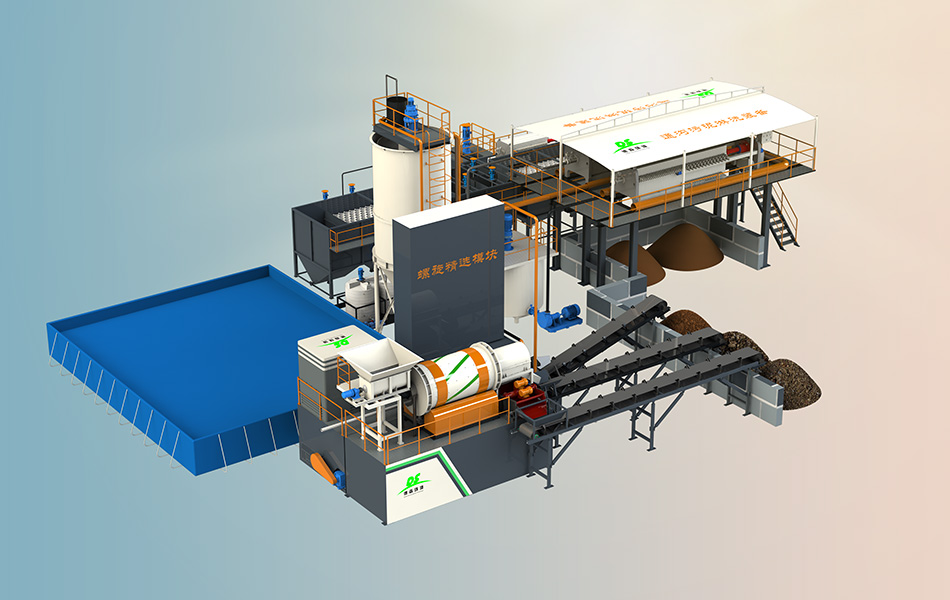
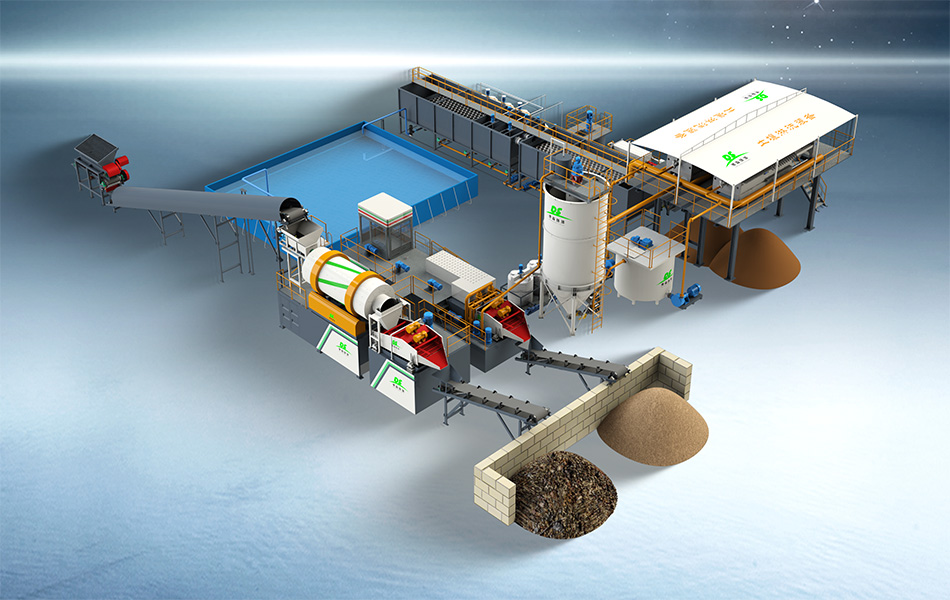
The thermal soil washing equipment itself is not exotic—heated washwater tanks, a drum scrubber that keeps the slurry moving, vibrating screens, a hydrocyclone cluster, and a floatation or oil-skimming stage. What matters is control. Keep the water in the right temperature band, keep the residence time long enough for the clay to disintegrate, and the oil fraction separates cleanly enough for the water treatment loop to handle the rest.
How the Hot Water Washing Train Is Set Up
A typical mobile train is skid-mounted and bolts together on site within days. Water is pumped from a holding tank through a burner or electric heat exchanger, then fed into the drum scrubber together with the pre-screened soil. From there the slurry travels through:
a heavy-duty drum scrubber where the hot water and mechanical action detach the oil film;
vibrating screens where coarser aggregates are rinsed and pulled out as clean product;
a hydrocyclone stage that splits the fine sand from the clay and oil-laden fines;
an oil-skimming and flotation tank where the free oil is recovered;
a water treatment package that recycles the washwater back to the front of the line.
Because most of the water is recycled, fresh makeup is only a fraction of the total flow, which keeps heating costs under control even at 20-40 t/h throughput.
Where Hot Washing Beats Cold Washing
The advantages show up most clearly on three types of jobs. First, old storage and tank farm sites where the oil has been in the ground for decades and cold washing leaves fines that still smell. Second, sites with high clay content where the oil hides inside particle agglomerates. Third, projects with tight schedules, because hotter water shortens the cycle time and lets crews process more tons per day. Thermal soil washing equipment from Desen Environment is built for exactly these conditions—the company, based in Zhengzhou (郑州德森环境), ships mobile and skid-mounted units that arrive on a truck and are producing clean soil within a week.
A Quick Look at a Real Job
On one service-station cleanup in China's central region, a 25 t/h unit ran with inlet washwater at roughly 60°C. The soil was a heavy clay mix with total petroleum hydrocarbons around 12,000 mg/kg. After three washes, the sand fraction came down below 800 mg/kg, and the recovered fine material was stabilized before disposal. The crew credited most of that margin to the hot water stage—the same plant had struggled to get below 2,000 mg/kg on cold water alone in an earlier trial. That kind of result is why contractors who plan to reuse the treated soil on site find the heating cost worth paying.
Frequently Asked Questions
Does heated washing hurt the equipment?
No. The components are rated for hot water service, and the temperature is kept below the point where rubber seals or liners degrade. Routine checks on the scrubber lining and the heat exchanger are all that maintenance asks for.
How much energy does it consume?
With water recycling in place, you are heating only the makeup stream plus losses, so the energy bill usually lands well below what pump-and-treat or soil vapor extraction systems burn on the same footprint.
Can it handle both light and heavy oil?
Yes. Light fractions come off easily even at lower temperatures; heavy fractions benefit from the higher end of the 50-70°C range plus a slightly longer residence time.
Is the treated sand usable on site?
In many jurisdictions, yes, once the remaining hydrocarbon concentration meets the local reuse standard. That is exactly why thermal soil washing is winning contracts on landfills and tank farms where transport and disposal costs have climbed sharply.
Wrap-Up
Thermal soil washing is not a magic fix, but for oil-contaminated soil it turns a slow, chemistry-hungry process into a mechanical one that runs on heat and water. If you are evaluating options for an oily site, ask your equipment supplier how their train handles hot water, what the real throughput is at your target temperature, and what the recovered fines solution looks like. For a closer look at mobile and skid-mounted washing systems and project references, visit the Desen Environmental Technology site at materialwashing.com and talk through your soil data before committing to a trial run.