Mobile Screening Plant for C&D Waste
How a mobile screening plant turns construction and demolition waste into reusable material on site: working principle, advantages and field examples.
Mobile Screening Plant for C&D Waste

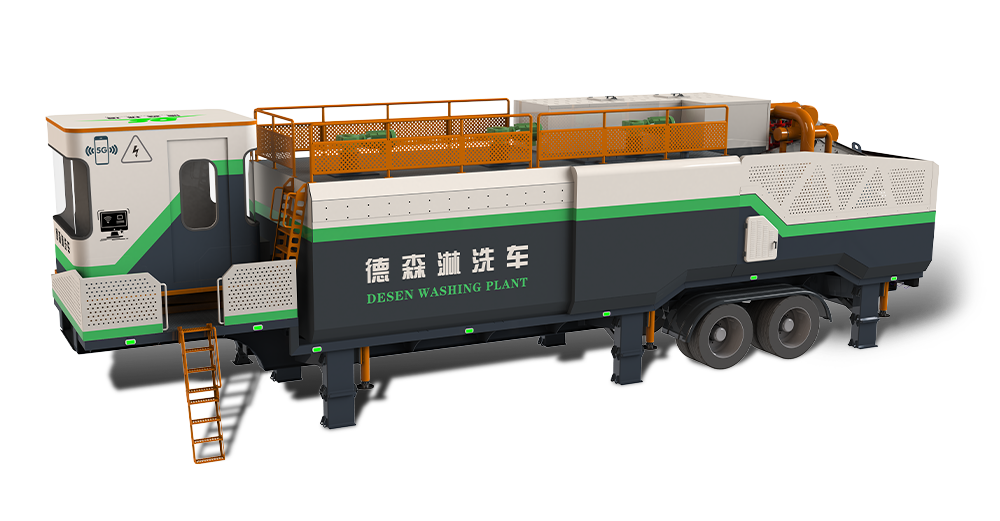
Demolition turns a building into a pile of material that only looks like waste until someone screens it. Reinforced concrete, brick and a tangle of soil and rebar rarely deserve the same end, yet they sit mixed in the same stockpile by default. A mobile screening plant changes that calculation on the spot: it sorts load after load at the work face, sending coarse rubble one way and fine soil another, so haulage is paid only for material that genuinely cannot be reused. Zhengzhou Desen Environment (郑州德森环境) offers screening units that slot into demolition, landfill and aggregate projects without a single concrete foundation.
How screening fits into the recycling flow
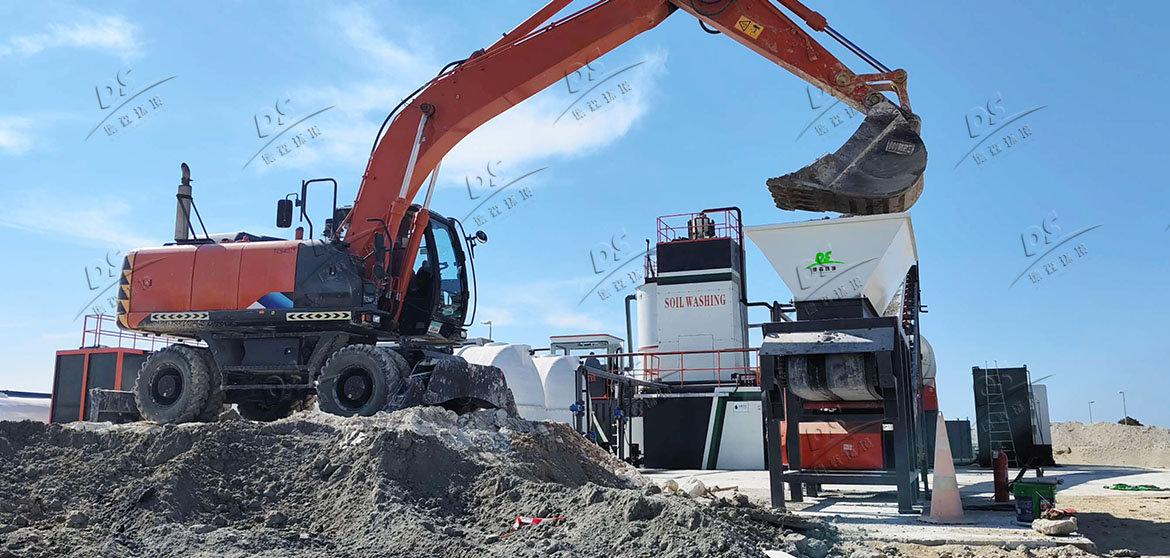
Construction and demolition waste rarely arrives in clean fractions. Concrete chunks sit next to brick, timber and whatever the excavator scooped up. The mobile screening plant separates the feed into size classes before it reaches a crusher or a washing line. Oversize rock and reinforced concrete head to crushing, while the fine fraction, usually heavy with soil and dust, can be washed and recovered as sand substitute or capping material. Because the unit moves on wheels or tracks, it follows the work face instead of the other way around. When one zone is cleared, the plant crosses the site in an afternoon and the material flow shortens with it.
Why project teams choose a mobile unit
On-site segregation cuts transport, because clean rejects never leave the site just to be sorted elsewhere.
Rapid redeployment lets the plant move between demolition plots, landfills or stockpiles as contracts change.
Setup is minimal, with no foundations and almost no site preparation, so production starts inside a shift.
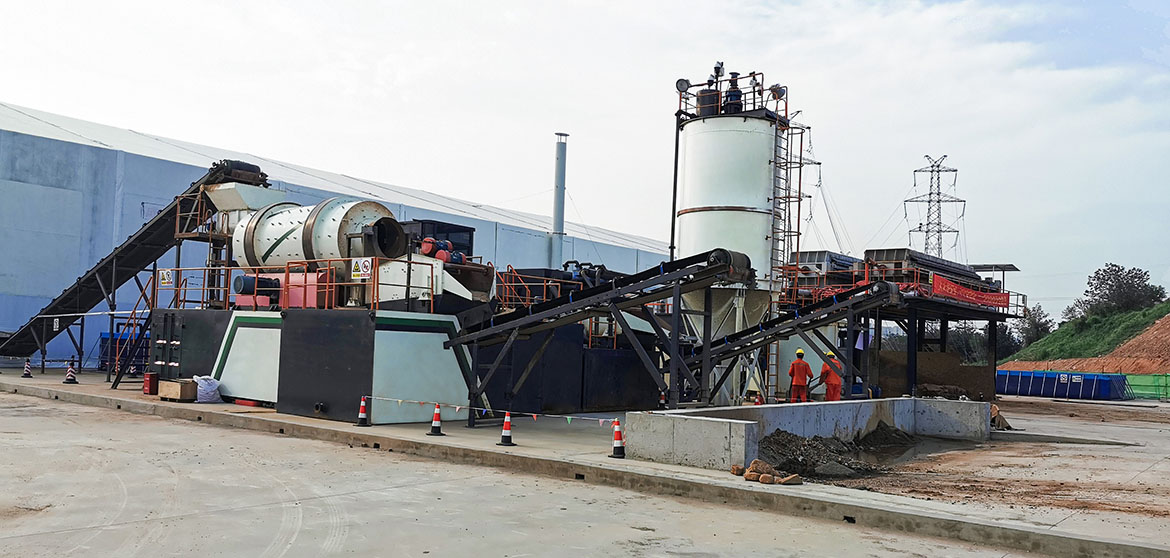
Sized fractions feed mobile washing lines that turn rubble into recycled sand and aggregate with real resale value.
From rubble pile to recycled aggregate
On an urban demolition contract, a contractor ran the Desen Environment screening plant ahead of a washing line. Fine material passed to the washer and left as clean recycled sand, while oversize was crushed, screened again and sold as aggregate. Roughly 85 percent of the incoming rubble left the site as a product rather than a disposal cost. The team put most of that recovery rate down to sorting early, before contaminants had a chance to smear across the whole pile.
Frequently asked questions
What size ranges can a mobile screening plant separate?
Typical decks cut anywhere from about 5 mm up to 100 mm or above, and different deck configurations cover the full band in between.
Will mobile screening cope with wet or muddy waste?
It will, though sticky fines cost it efficiency. That is why Desen Environment often pairs screening with a washing stage to clean and recover the fine fraction.
Do I need a fixed foundation for one of these units?
No. The plant works from a levelled pad and moves itself between positions, which suits rented sites and short-duration contracts.
How do I size the right plant?
Send the expected feed volume, material composition and target cut points to the Desen team via materialwashing.com, and they will recommend a configuration and throughput.