Modular Soil Washing: Fast Remediation
How modular soil washing equipment shortens remediation timelines: deployment speed, relocatability and field experience from Desen Environment.
Modular Soil Washing: Fast Remediation
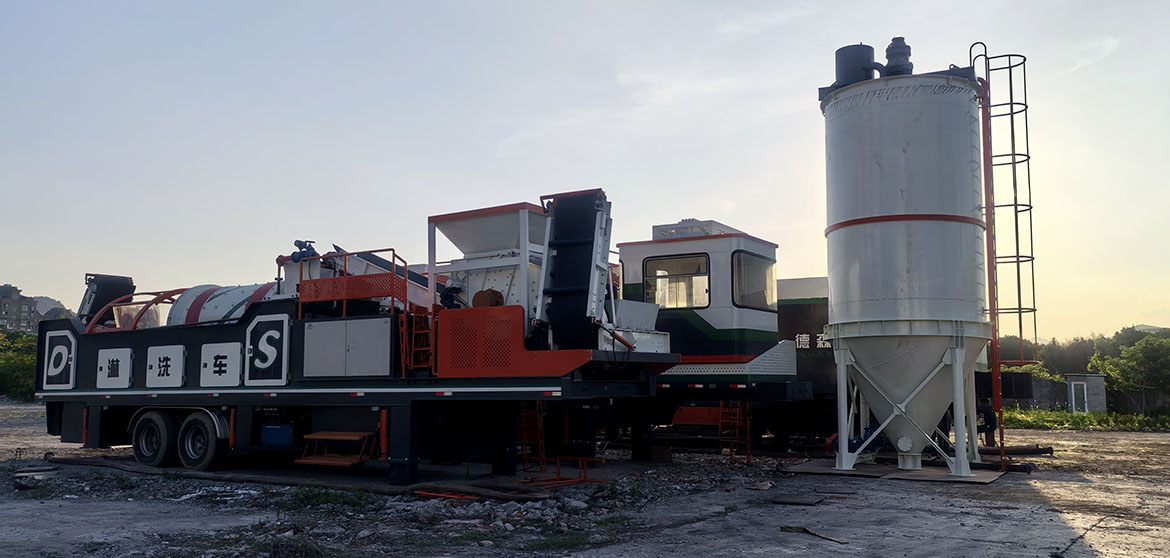
No developer wants to burn a quarter of the project budget on mobilisation. Yet that is exactly what happens when a fixed treatment plant must be engineered, built and commissioned before the first tonne of contaminated soil is cleaned. Modular soil washing inverts the sequence. The process train arrives pre-assembled in containers and skids, and a crew from Zhengzhou Desen Environmental Technology Co., Ltd. (郑州德森环境) can have it producing clean fractions within about two weeks of delivery. For a site owner chasing a regulator's deadline, that head start often makes the difference between penalties and on-time handover.
How the modular layout wins back time
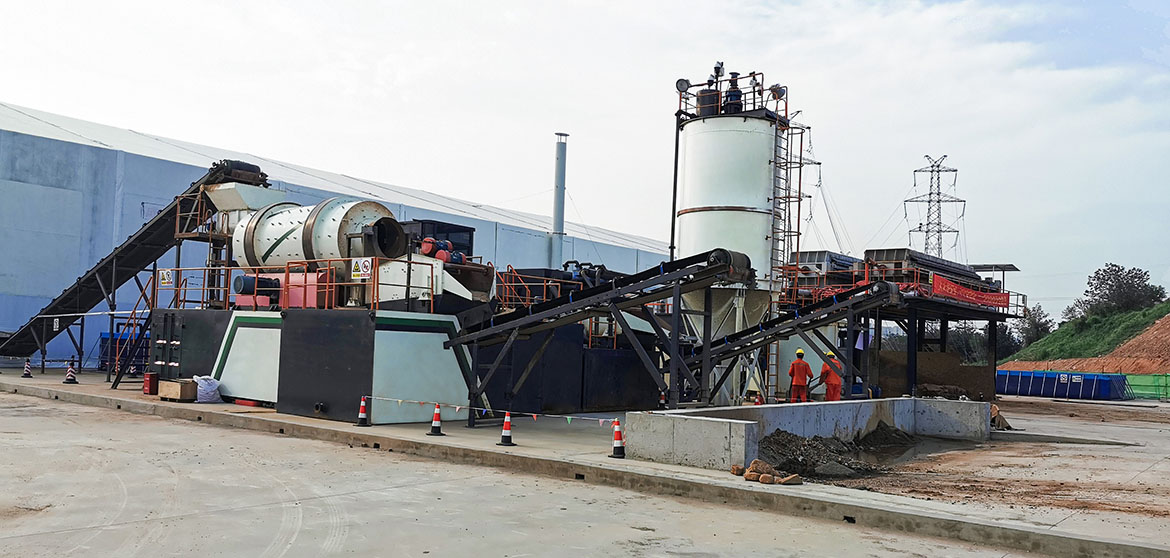
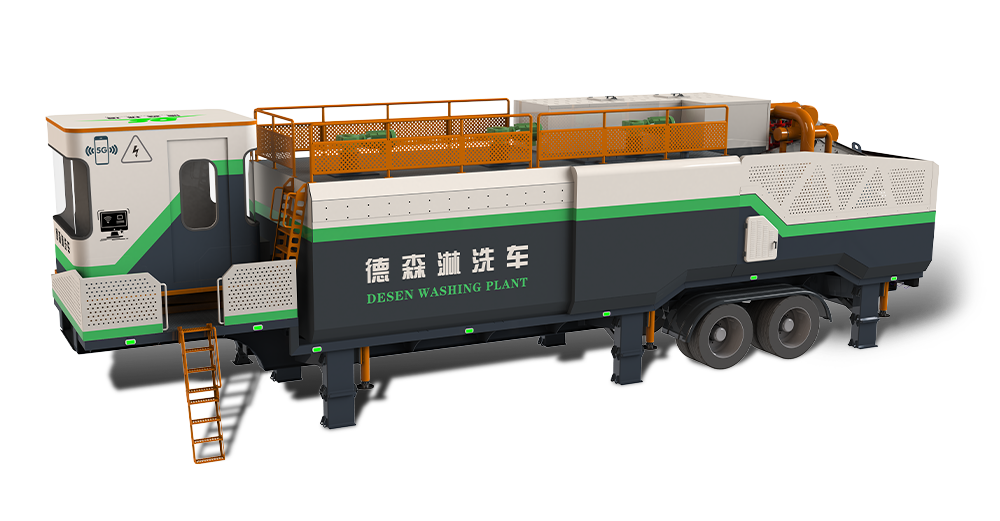
Modular washing plants rest on a simple idea: split the treatment train into transportable units and bolt them together on site. Each module handles one job, whether that is scrubbing, screening, classification, dewatering or water recycling, and the joints between them are standard flanges and quick couplings instead of bespoke pipework. Desen Environment factory-tests every module before it ships, so the two classic time sinks, civil works and commissioning, shrink dramatically. A levelled pad replaces the concrete slab, cables and hydraulics arrive pre-routed inside each skid, and site assembly becomes alignment rather than fabrication.
Flexibility is part of the speed. If a soil profile turns out stickier or coarser than the lab suggested, the modular soil washing line extends with another module instead of a full redesign. That matters on real sites, where heterogeneity, rather than the average sample, sets the pace.
Where the savings show up on site
Treatment starts while the rest of the site is still under investigation, so handover work can begin sooner.
The plant relocates to the next project, spreading capital cost across multiple contracts.
Factory-built modules arrive with documented process designs, which eases permitting in many regions.
An idle modular plant is cheap to keep, unlike a permanent structure that drains value the moment work stops.
Field notes on modular soil washing
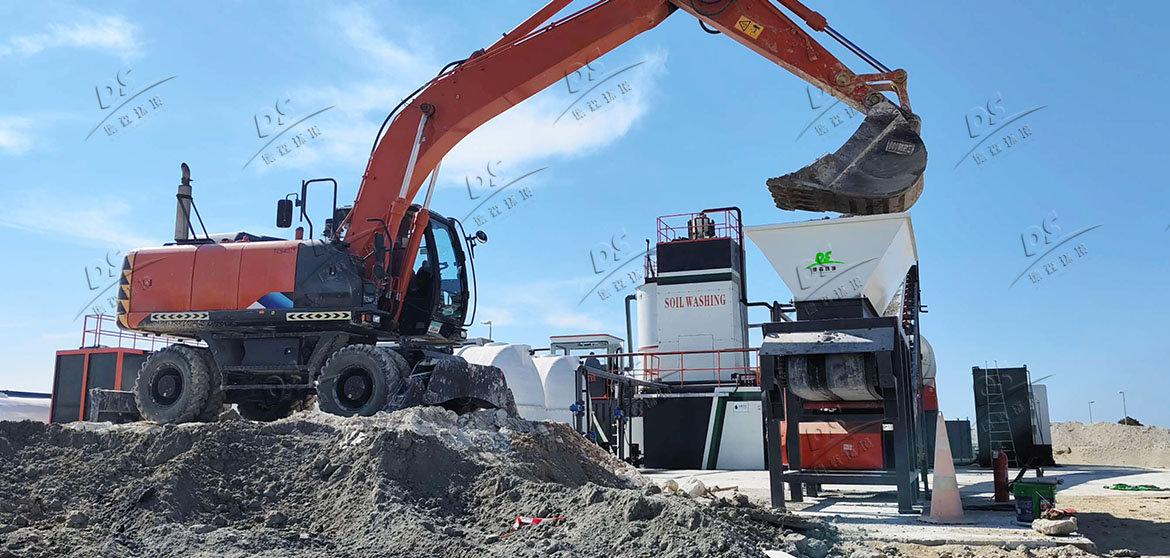
Desen Environment has deployed modular soil washing on smelting and chemical brownfields across China, handling lead, arsenic and chromium among other contaminants. On one contract, the client needed 30 tonnes per hour of treated soil to keep a residential redevelopment on schedule. The line was accepting feed within days of arrival, and the closed-loop water system held fresh-water demand low through the summer peak. Project managers keep coming back to the same lesson: the first weeks decide the job, and modular equipment wins them.
Frequently asked questions
How quickly can modular washing equipment start producing?
Roughly two weeks from delivery to first production, because the modules arrive factory-tested and only need a levelled pad and connections on site.
Does modular washing handle heavy metals as well as organics?
Yes. With matched reagents and scrubbing stages, it removes lead, cadmium, arsenic and chromium, plus petroleum hydrocarbons and PAHs.
Is a modular plant pricier than a fixed one?
Unit capital cost can run slightly higher, but faster start-up, relocation value and minimal civil works usually tip the whole-life balance in favour of modular.
Where can I request a treatment scheme?
Send the contamination data and particle-size distribution to the Desen Environment team through materialwashing.com; they will propose a module configuration and a realistic schedule.