Sewer Silt Dewatering Equipment That Turns Drain Sludge into Value
See how silt dewatering equipment turns drain sludge and sewer silt into stackable cake, lowering hauling costs for municipal crews.
Sewer Silt Dewatering Equipment That Turns Drain Sludge into Value

Cleaning a storm drain is only half the job. The gritty slurry pulled from a pipe still has to go somewhere, and wet, smelly sludge is expensive to move, hard to store and a paperwork problem at every disposal site. Municipal crews and utilities that invest in proper silt dewatering equipment turn that awkward by-product into a stackable, low-moisture cake that trucks away cleanly, or even into fill material with a small market value.
What Drain Sludge Actually Contains
Ditch silt and sewer silt are not uniform materials. Inflow from road runoff carries sand, grit and hydrocarbons, while infiltration brings in clay and organic matter. Left wet, this mix behaves like mud and clings to every surface. Dried to a reasonable moisture content, it behaves like soil, and that simple change in handling is what makes treatment worth doing.
Typical components
- Sand and mineral grit washed in from streets and construction sites
- Clay and silt fines that hold most of the water
- Organic debris, litter and, in some networks, hydrocarbon residue
Because the fines carry the water, the treatment goal is not evaporation but mechanical separation along a short process line.
The Treatment Line, From Slurry to Cake
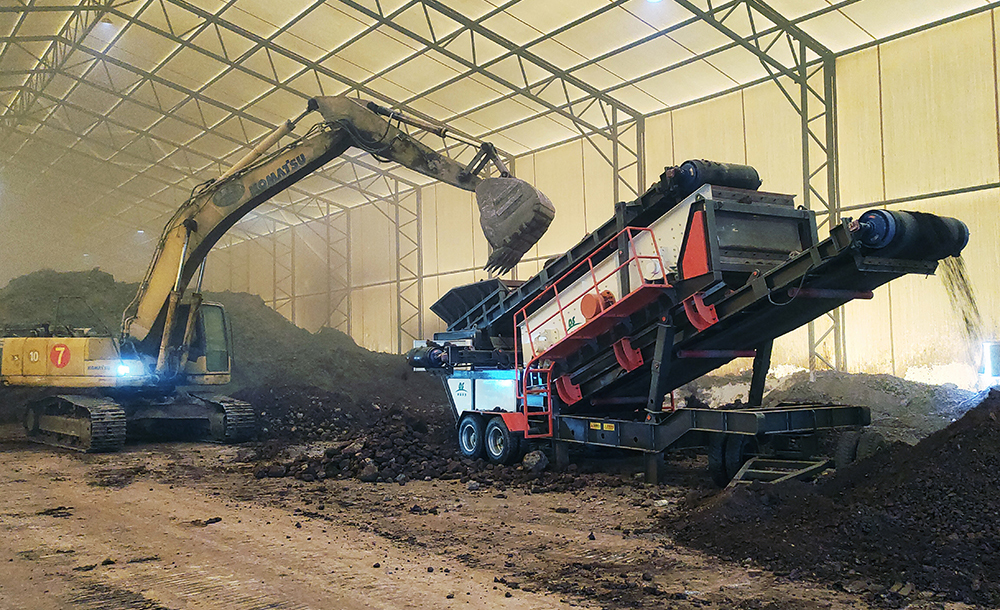
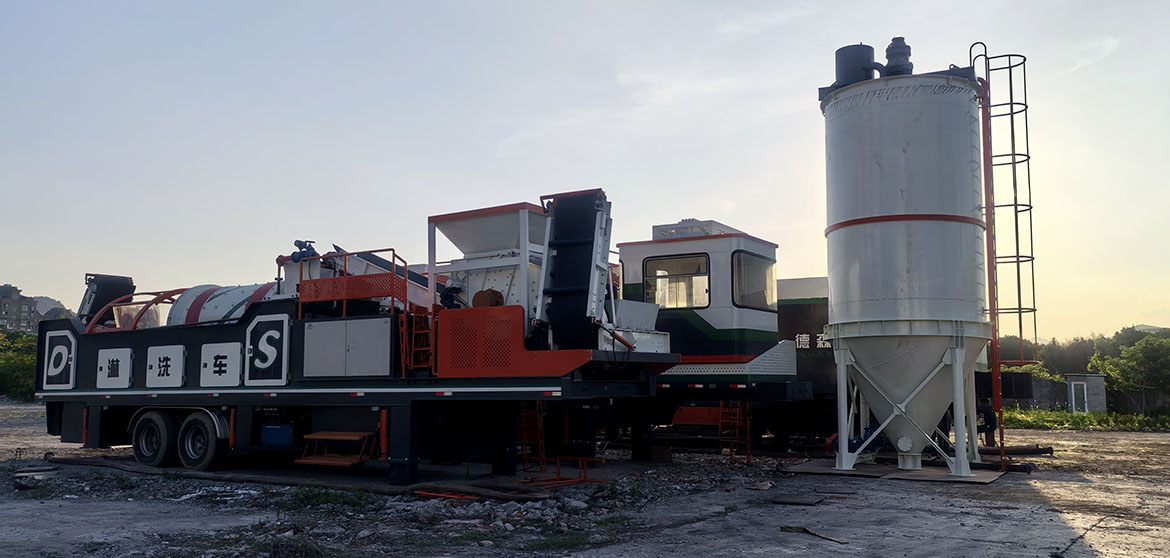
A practical drain sludge treatment line starts with a screening stage that removes rags, stones and litter before they can damage downstream equipment. The screened stream then enters a grit-sand washing unit that recovers coarse mineral material while the fine slurry moves on. A hydrocyclone and sieve bend concentrate the solids, and a belt filter press or plate-and-frame filter press finally squeezes the material down to a stackable consistency.
Each stage is sized for the specific catchment. Keeping the line lean means the silt dewatering equipment works at its design point through the season instead of sitting oversized and underused for the odd wet week. A small utility might run a compact skid-mounted unit a few days a week, while a large city can justify a static plant that treats thousands of tonnes a year. The right silt dewatering equipment depends on volume, not on what the neighbouring city happens to use.
Why On-Site Dewatering Pays
Transporting wet sludge is effectively paying to ship water. Cutting moisture content from 80 percent down to roughly 65 percent can halve the number of truckloads, and a drier cake is far easier for disposal facilities to accept. Crews also spend less time managing leaks and odour complaints when the product leaves the site as a stable cake rather than a sloshing load.
On top of that, the recovered sand and grit from the washing stage can be reused in pothole patching, as bedding material for new pipe runs or in concrete block production. It is a small revenue line, but it shifts the operation from pure cost to partial value recovery.
What Municipal Projects Report
One regional network operated by partners of Desen Environment introduced a mobile silt treatment unit for its seasonal drain-cleaning programme. Over a single campaign, the unit processed clearing sludge from roughly 40 kilometres of trunk lines. The crew reports that truck trips to the disposal site dropped by half, and the recovered grit now covers most of the bedding material needs for minor maintenance works. Equipment uptime stayed above 90 percent through the season with routine daily cleaning of the screens. That, in short, is what a focused silt dewatering campaign can return in a single season.
FAQ
Can one machine handle both storm drain silt and sewage screenings?
Not in the same pass as a rule. Storm silt is mostly mineral, while sewage screenings are organic and fibrous. Most operators run a dedicated grit-and-silt line for drainage work and keep the sewer screenings on a separate, odour-controlled path.
How small can a silt dewatering setup be?
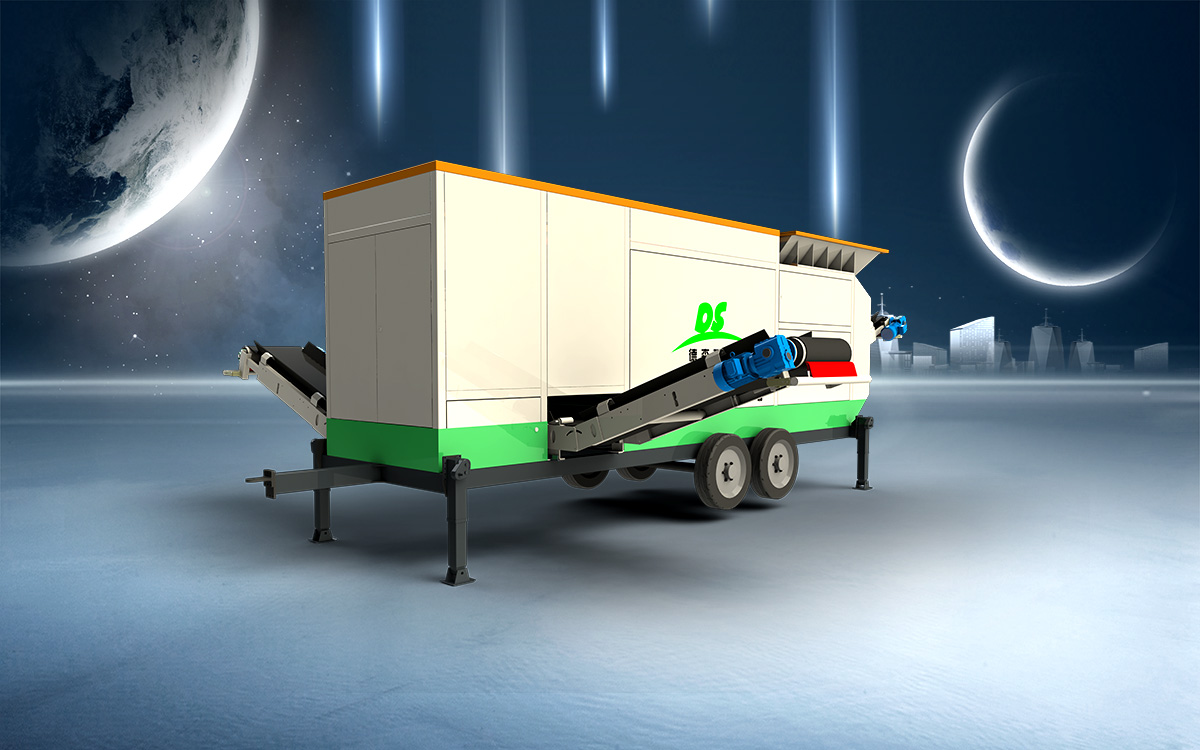
Manufacturers including Desen Environment offer containerised and skid-mounted packages that fit inside a single truck bay. For smaller catchments, a container with an integrated screen, hydrocyclone and filter press is practical, and it can be shared between depots.
Does the recovered sand need washing again before reuse?
Usually one wash is enough for construction-type reuse, and the wash water is recirculated through the same line, so there is no extra discharge to manage.
Desen Environment (Zhengzhou Desen Environmental Technology Co., Ltd.) supplies compact and full-scale silt dewatering, sand washing and screening plants for municipal and industrial operators. Get in touch through materialwashing.com to size a treatment line for your drainage programme.