Gully Silt Treatment Technology and Equipment for Storm Drain Sediment
Gully silt treatment technology turns storm sewer sediment into reusable sand and low-moisture cake. A practical guide from Desen Environment.
Gully Silt Treatment Technology and Equipment for Storm Drain Sediment

Flushing a storm drain only moves the problem. The sand, grit and street muck that clog a pipe have to come out eventually, and once they do, somebody has to deal with a heavy, wet, smelly load that no one wants to truck across town. Gully silt treatment answers that question at the source: it turns what maintenance crews pull out of the drainage network into dry cake that landfills accept and clean sand that builders will actually pay for.
What Gully Silt Treatment Has to Handle
Gully silt is not one consistent material. Road runoff drops coarse sand and gravel into each catch basin, storm infiltration carries in clay and fine silt, and litter, leaves and an occasional hydrocarbon sheen ride along on top. None of it behaves the same when it is wet.
Roughly, a typical load breaks down like this:
- Coarse sand and grit washed off streets and construction sites
- Clay and silt fines that trap most of the water
- Litter, organic debris and, in busy urban catchments, traces of fuel residue
Because the fines hold the water, the whole trick is mechanical separation, not evaporation. Get the sand out, squeeze the fines, and the job is done.
How the Modern Treatment Line Works
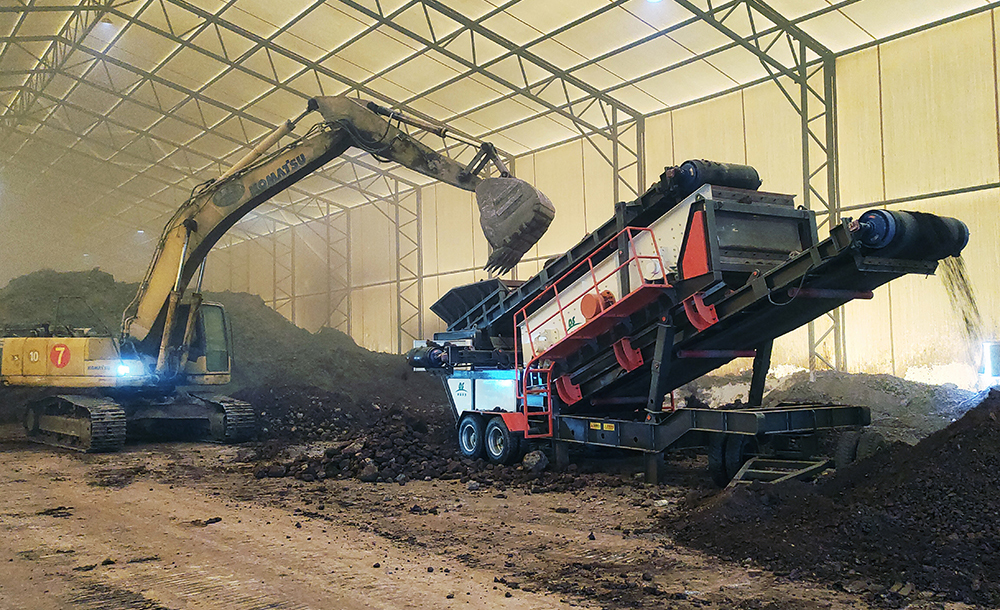
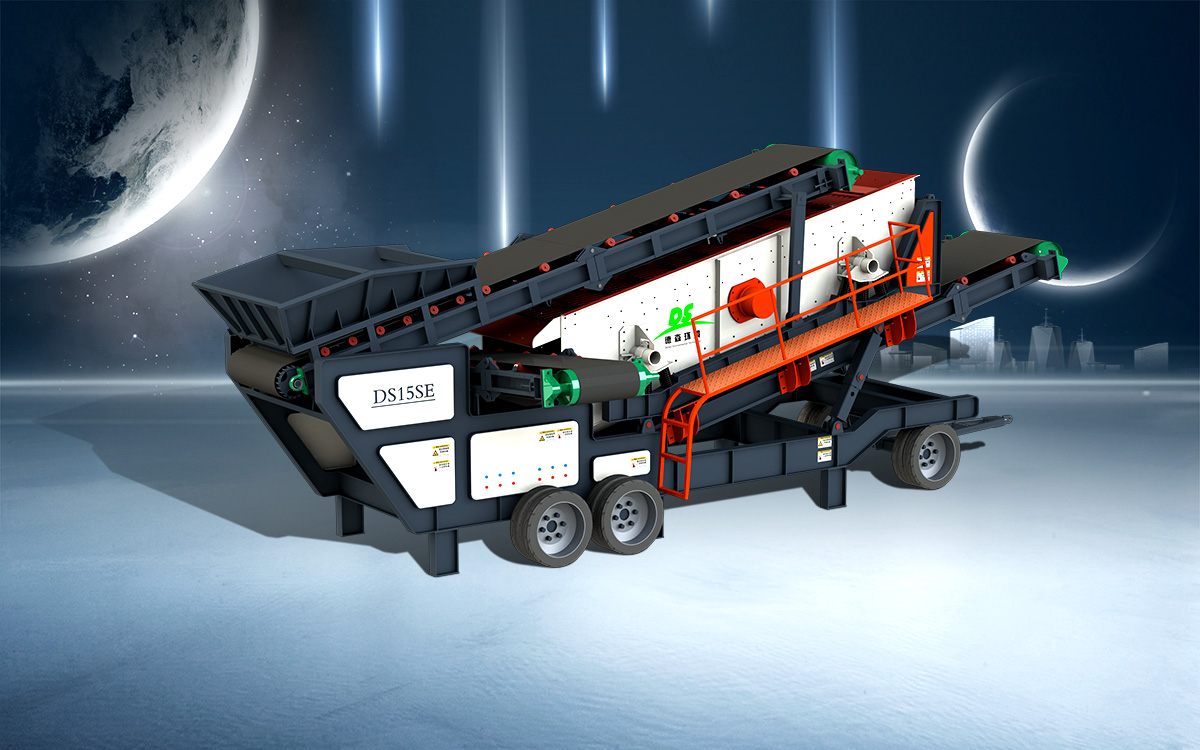
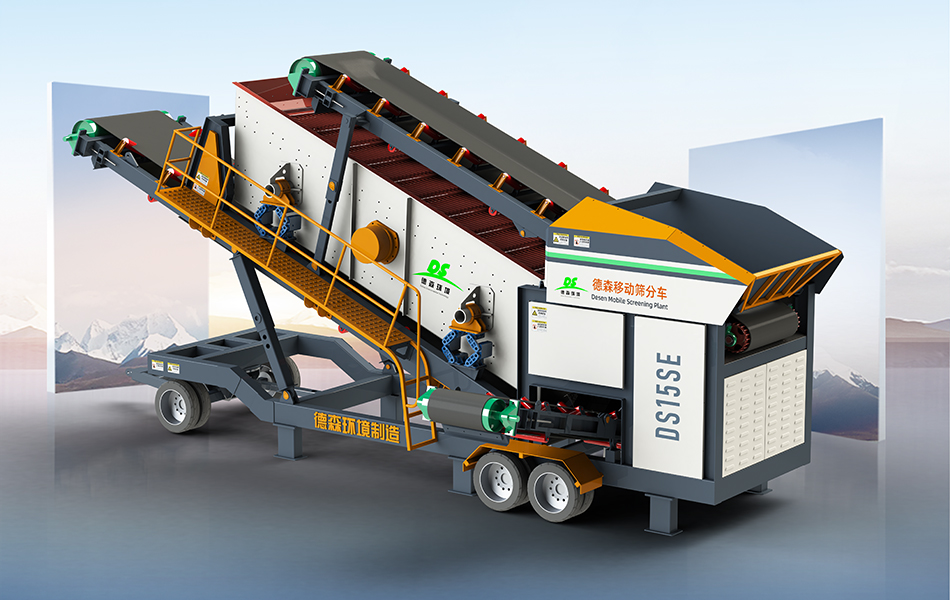
A practical line mirrors the material itself. It starts with screening that strips rags, stones and litter before they can chew up pumps and wear out valves. From there the stream moves into a sand-washing and classification stage, where a log washer or a combination of hydrocyclone and sieve bend scrubs the grit clean and drops it onto a stockpile. The fine slurry thickens next, then hits a belt filter press or plate-and-frame press that squeezes it down to a stackable cake. Done well, a gully silt treatment line stays short and forgiving, which is exactly what seasonal crews need after a long wet winter.
Sizing matters more than brand loyalty. A small municipality may run a compact skid-mounted unit a couple of days a week; a big city can keep a static plant busy all season. Design the line around the tonnes you actually handle, and the equipment spends its working life at the right operating point instead of idling oversized.
Choosing the Right Equipment
Decisions usually come down to four questions: how much material, how much clay, how much space, and how far the disposal site sits from the depot. High-clay catchments push you toward attrition washing; high-volume networks justify a permanent dewatering shed; tight yards favour containerised packages with the screen, cyclone and press on a single frame.
Water is part of the equation too. Good plants recirculate wash water through the same line, so the treatment train adds no new discharge and only tops up what is lost to evaporation and the cake itself.
What Proper Treatment Buys the Operator
Hauling wet sludge is, in effect, paying to ship water. Taking moisture from roughly eighty percent down to sixty-five can halve the truck count to the disposal site, and a dry cake is far easier for landfill operators to accept. Add odour control and crews stop spending their afternoons answering complaints.
Then there is the recovery side. The sand pulled out of the washing stage is genuinely reusable, as bedding for new pipe runs, as backfill around manholes, or in pothole patching. It stops being a disposal cost and starts being a small revenue line.
A Season in the Field
One network that partnered with Desen Environment on a drainage-maintenance campaign ran a mobile gully silt treatment unit through its annual cleaning programme and processed waste from the busiest trunk lines in a single season. Truck trips to the disposal site fell by roughly half, and the recovered grit covered most of the bedding needs for minor repairs. Uptime held above ninety percent with routine screen cleaning each day, proof that this technology handles real-season workloads rather than brochure conditions.
FAQ
Can one machine treat both storm silt and sewer screenings?
Not in the same pass. Storm silt is mainly mineral, while sewer screenings are fibrous and organic. Most operators keep the grit-and-silt line separate from an odour-controlled path for sewer waste.
How small can a silt treatment setup be?
Desen Environment supplies containerised packages that fit inside a single truck bay. For smaller catchments, a container with an integrated screen, hydrocyclone and filter press can be shared between depots.
Is the recovered sand clean enough to reuse straight away?
Usually a single wash pass is enough for construction-type reuse, and the wash water loops back into the line, so there is no extra discharge to manage.
Desen Environment (Zhengzhou Desen Environmental Technology Co., Ltd.) builds compact and full-scale silt dewatering, sand washing and screening plants for municipal and industrial operators. Contact us through materialwashing.com to size a treatment line for your drainage programme.