Skid-Mounted vs Fixed Soil Washing: Picking the Right Fit for Your Site
Compare skid-mounted and fixed soil washing plants: costs, mobility, throughput and field lessons from Desen Environment for site remediation projects.
Skid-Mounted vs Fixed Soil Washing: Picking the Right Fit for Your Site
Choosing between a skid-mounted and a fixed soil washing plant usually comes down to one uncomfortable question: how long will this project actually run? The answer changes everything—capital layout, site footprint, crew size, even the permit you pull. In this article, Desen Environment walks through the real differences, the numbers that matter, and the field experience behind both configurations.
What Actually Separates the Two Builds
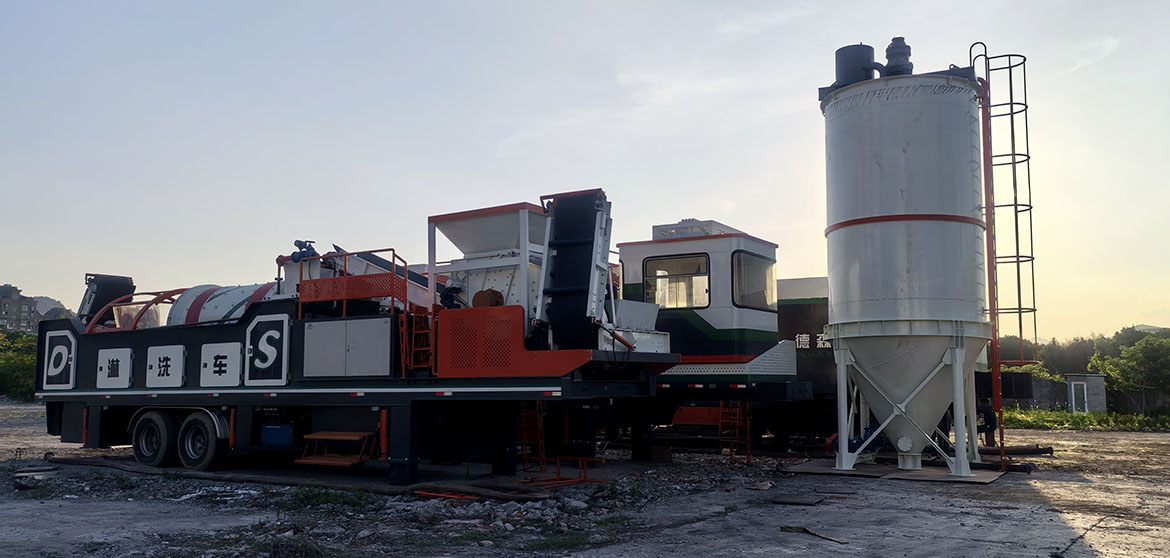
A fixed soil washing plant is engineered as a permanent installation. Concrete foundations, dedicated utilities, hardwired controls—everything is built to run for years at a single location. A skid-mounted soil washing plant, by contrast, arrives on steel frames, gets bolted together in days, and can be broken down and relocated when the job winds down.
The treatment chemistry is largely the same in both cases: feed conditioning, screening, attrition scrubbing, hydrocyclone classification and water treatment. The real difference lives in packaging. Skid-mounted units compress each stage into transportable modules, so the whole remediation line can move from one contaminated site to the next without rebuilding from scratch.
Where a Skid-Mounted Plant Shines
- Speed to first soil: delivery-to-operation can be weeks instead of months.
- Relocation value: the same capital asset serves multiple projects across regions.
- Lower civil works: little or no permanent foundation required on site.
- Permitting flexibility: easier to pull temporary operating permits for a movable line.
For contractors bidding on a sequence of small or mid-size remediation jobs, this is the decisive edge. A skid-mounted soil washing plant turns equipment into a reusable asset rather than a sunk cost.
When a Fixed Plant Earns Its Keep
Fixed installations still make sense for long-horizon projects—brownfield redevelopment, mining waste reprocessing, or treatment hubs that accept soil from several nearby sites over a decade. With permanent foundations, a fixed soil washing plant can take heavier machinery, larger throughput and tighter process integration. Maintenance also gets simpler when nothing needs to move.
There is an economy-of-scale argument as well. When throughput targets pass 50 tonnes per hour and stay there for years, the fixed build usually wins on unit cost per tonne of treated soil.
Field Lessons from Desen Environment Projects
Desen Environment, based in Zhengzhou (郑州德森环境), has supplied both configurations across China and the Middle East. One pattern keeps repeating: clients who start with a skid-mounted unit almost always redeploy it to a second site within 18 months. Those who planned a fixed plant from the start rarely regret it, provided the site had confirmed contamination volume and a stable remediation budget.
After-sales support matters just as much as the hardware. Desen Environment offers process commissioning, operator training and spare parts for both builds, with full technical documentation available at materialwashing.com.
FAQ
Can a skid-mounted soil washing plant reach the same cleaning standard as a fixed one?
Yes. Both configurations use the same core washing and classification steps. The difference is packaging and footprint, not treatment chemistry.
How long does it take to relocate a skid-mounted plant?
With an experienced crew and prepared logistics, most Desen skid-mounted lines can be dismantled, transported and recommissioned within three to four weeks.
Is a fixed soil washing plant always more expensive?
Not necessarily. Fixed plants carry higher upfront civil costs but lower operating costs per tonne on long-running projects. The breakeven usually depends on project duration and throughput.
Which option suits a first remediation project better?
If the contamination volume and project timeline are uncertain, a skid-mounted soil washing plant is the lower-risk entry point—you can scale up or relocate later without abandoning the investment.