
Gully Sludge Treatment Equipment Guide
Practical guide to gully sludge treatment equipment: mobile dewatering units for drainage sediment, selection tips and field data from Desen.
Gully Sludge Treatment: Compact Equipment for a Messy Urban Problem
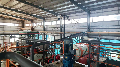
Ask any drainage crew what slows them down and they will not mention the weather. They will mention the sludge sitting at the bottom of every gully, manhole and pumping station: a dense, smelly mix of silt, grit, road washings and organic matter that has to be excavated, hauled and paid for. Gully sludge treatment is the quiet bottleneck behind every city's flood prevention programme. The good news is that compact, mobile equipment now turns that sludge into dewatered cake on the spot, cutting haulage bills and keeping networks open. This article looks at how this kind of sludge is handled on site, why mobile units are usually the right call, and what real municipal projects show.
Technical Principles: How Gully Sludge Dewatering Works
Gully sludge differs from sewage sludge in one important way: it carries grit. Sand, road sediment and litter make pumping difficult and dewatering inconsistent, so the treatment train has to handle solids that would clog an ordinary centrifuge. A proven treatment sequence for this material looks like this:
- Screening and grit removal — a compact screen and grit classifier strip out stones, litter and coarse sand before the slurry reaches the dewatering unit.
- Chemical conditioning — flocculant dosing binds fine solids into stable flocs, which is what makes mechanical dewatering fast and predictable.
- Mechanical dewatering — a screw press, belt filter press or decanter converts the conditioned slurry into a stackable cake and clear water.
The water that comes out is clean enough to return to the network or reuse for washing down, which closes the loop and removes the need for constant fresh-water supply on site.
Technical Advantages: Why Mobile Units Fit the Job
Municipal teams across Asia and the Middle East choose mobile dewatering units built for the job from Zhengzhou Desen Environmental Technology Co., Ltd. (Desen Environment) for practical reasons:
- Treatment at the source — units mount on trucks or trailers, so sludge is dewatered where it is excavated instead of trucked wet across town.
- Volume reduction up to 80 percent — wet sludge becomes dry cake, which collapses disposal cost and extends landfill life.
- Fast setup — a containerised line is operational within hours and moves to the next district when the job ends.
- Odour control — enclosed units with dosing systems keep emissions manageable even in residential areas.
The economics are hard to argue with: hauling dry cake costs a fraction of hauling 95-percent-moisture sludge, and the freed-up tankers go back to clearing the network faster.
Case Analysis: Keeping a City's Drains Moving
In a mid-sized city in eastern China, Desen Environment supplied a truck-mounted dewatering system to a drainage maintenance team cleaning 1,200 gullies per season. Previously, wet sludge was hauled 40 kilometres to a treatment plant at roughly 25 tonnes per trip. With on-site dewatering, the team cut the wet volume by about 75 percent, reduced haulage trips by two-thirds, and returned clear water to the network for flushing. The unit paid for itself within two seasons, and maintenance backlogs shrank for the first time in years.
FAQ: Gully Sludge Treatment Questions
What equipment is needed for gully sludge treatment?
A screen or grit classifier, a flocculant dosing system and a mechanical dewatering unit — usually a screw press or belt filter press — arranged on a skid or vehicle. Throughput and sludge type decide the exact configuration.
How dry can the cake get?
Screw presses and belt presses typically reach 25 to 35 percent dry solids on gully sludge. Heavier duty plate-and-frame presses go higher when disposal cost makes extra dryness worthwhile.
Can the units work in residential areas?
Yes. Enclosed, mobile units with odour control run in streets and neighbourhoods where a permanent plant would never be approved.
How does Desen Environment support municipal teams?
Desen Environment designs the gully sludge treatment line, supplies the mobile units and commissions them on site. Municipal operators can request a layout and trial plan through materialwashing.com.
上一篇:Petroleum Soil Remediation Engineering
下一篇:没有了!