Skid-Mounted vs Fixed Soil Washing Equipment: A Practical Selection Guide
Compare skid-mounted vs fixed soil washing equipment: mobility, footprint, throughput, cost and site fit for contaminated soil remediation projects.
Skid-Mounted vs Fixed Soil Washing Equipment: A Practical Selection Guide
Picking between skid-mounted and fixed soil washing equipment is rarely just a matter of budget. The right choice depends on how long the project will run, how much room the site offers, and whether the plant is expected to stay put or travel to the next job. This guide compares the two layouts honestly: what happens inside each system, where the real cost differences hide, and the questions contractors should ask before signing off on a design.
How the Two Configurations Work
Both layouts rely on the same treatment train: feed preparation, scrubbing, size classification, and dewatering of the separated fines. The difference sits in how that train is packaged. A fixed soil washing equipment line spreads every stage across a permanent foundation, with conveyors and piping sized for one production rate and one feed stream. It suits sites where the material is known, the tonnage is stable, and the plant will operate for years.
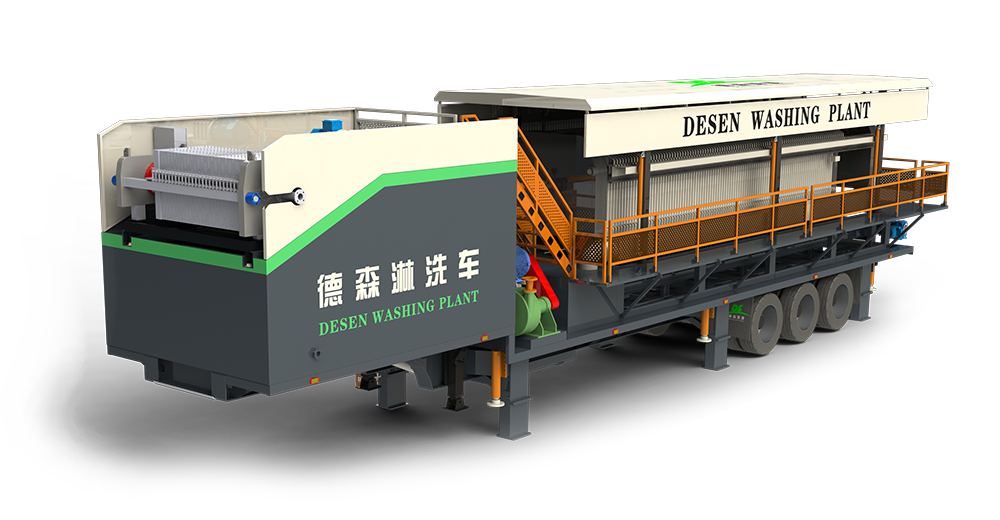
A skid-mounted unit, by contrast, packs the same stages onto steel frames that arrive as pre-assembled modules. Hook up power and water, drop the feed hopper into place, and the line is running within days rather than months. When the contract ends, the modules split apart, load onto flatbeds, and relocate to the next site without sacrificing the process design.
Advantages That Show Up in the Field
The benefits of skid-mounted soil washing equipment go well beyond obvious portability. On contaminated soil projects, permit windows are often tight; a plant that commissions in a week instead of a quarter keeps the whole schedule intact. Site footprint shrinks too, because modules stack vertically instead of sprawling across prepared foundations. When cleanup targets are met early, demobilization costs stay low, and the equipment keeps resale value as a complete, testable package.
Fixed plants still win on steady-state economics. With a permanent foundation and generous access, maintenance is simpler, throughput ceilings are higher, and long-term wear parts cost less per tonne treated. For a remediation facility built to serve a region for a decade, that stability usually outweighs the one-time saving of going modular.
Field Cases from Desen Environment
Desen Environment has delivered both formats across Asia and beyond. On a heavy-metal site near an operating factory, Zhengzhou Desen Environmental Technology Co., Ltd. supplied a skid-mounted line that treated thirty tonnes per hour for eight months, then moved to a second assignment four hundred kilometres away in under three weeks. A separate fixed installation, meanwhile, has run continuously for four years at an industrial park, processing oily sludge without a major overhaul. Both projects are documented on materialwashing.com, where the case studies include real tonnages and residency periods.
Frequently Asked Questions
Which type is cheaper to start with?
Skid-mounted soil washing equipment usually costs more per tonne of rated capacity upfront, because fabrication and transport are included. But once you add civil works, foundations and installation labour, a fixed plant often ends up more expensive on short-horizon projects.
Can a fixed plant be relocated later?
Technically yes, but the cost is close to building a new line. Foundations, re-commissioning and process re-tuning usually erase any savings.
How long does commissioning take?
For skid-mounted systems, expect one to three weeks on a prepared pad. Fixed installations commonly need two to four months before stable production.
Is modular equipment less durable?
No. The steel frames and process internals are built to the same standards; the main trade-off is access for maintenance, not component life.
Before you decide, pull together the project horizon, the site footprint, and a realistic demobilisation plan. Then talk to Desen Environment's engineers about which soil washing equipment configuration fits your material; the conversation usually settles the argument faster than any spreadsheet.