TCLP Testing for Soil Washing Treated Soil: Proving Cleanup Before Site Closure
TCLP testing for soil washing treated soil shows regulators the cleanup worked. See how Desen structures sampling, in-process controls and lab coordination for site closure.
TCLP Testing for Soil Washing Treated Soil: Proving Cleanup Before Site Closure
When a washing plant finishes its last tonne, the project is not finished. Regulators, landowners and main contractors rarely accept visual cleanliness or a mass balance table as proof that contaminated soil has been remediated. They want laboratory evidence that the treated material will not release pollutants into groundwater after disposal or reuse. For heavy metal projects in North America and many other jurisdictions, that evidence usually comes from TCLP testing for soil washing treated soil, the Toxicity Characteristic Leaching Procedure defined in US EPA Method 1311. Understanding what the test measures, and designing the washing process around it, is what separates a smooth site closure from weeks of reprocessing.
What the TCLP Test Actually Measures
TCLP is a standardized leaching test, not another total-content digestion. A representative subsample of the treated soil is mixed with an acetate-buffer extraction fluid at a 20-to-1 liquid-to-solid ratio, then rotated for 18 hours in a sealed extraction vessel. The extract is filtered through a glass-fibre filter and analysed, typically by ICP, for the target metals. The result is expressed in milligrams per litre of extract and compared against regulatory threshold limits. Under the US RCRA framework, for example, a soil whose lead extract sits below 5 mg/L is not classified as a characteristic hazardous waste for that constituent.
Why Washing Changes Leachability Before It Changes Chemistry
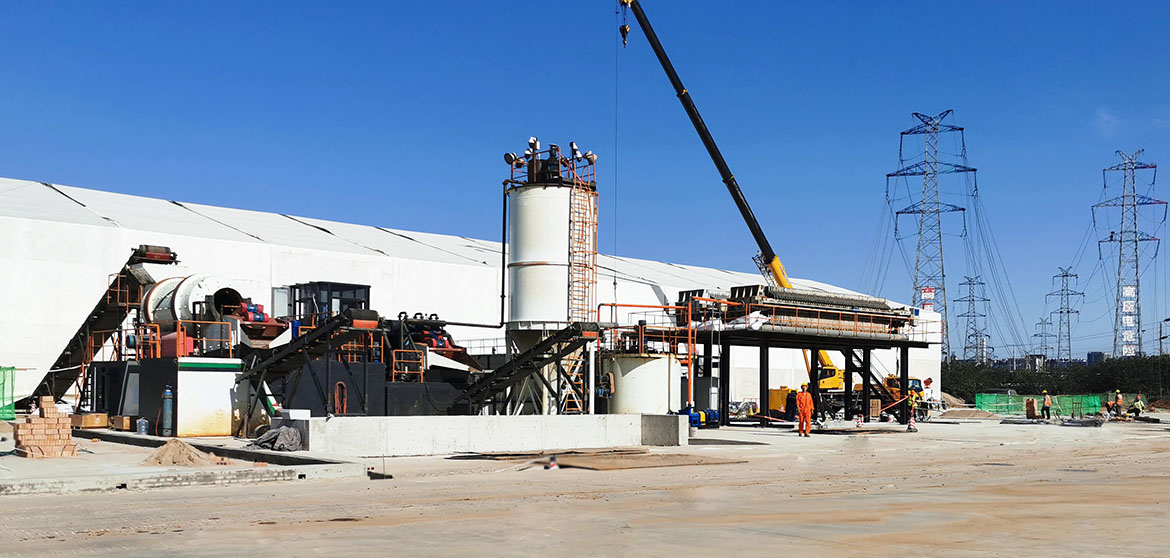
Soil washing removes contaminants unevenly. Scrubbing strips metals and hydrocarbons from the surfaces of sand and gravel grains and concentrates them in the fine fraction, which leaves the line as slurry and is dewatered separately. The coarse and sand fractions leave the plant visibly clean, but a regulator will still ask the same question about every fraction: what happens if this material sits in a landfill and rainwater passes through it? TCLP answers exactly that question, which is why it is requested so often for washed soil destined for disposal or reuse as backfill.
Building a Sampling Plan Across the Washing Line
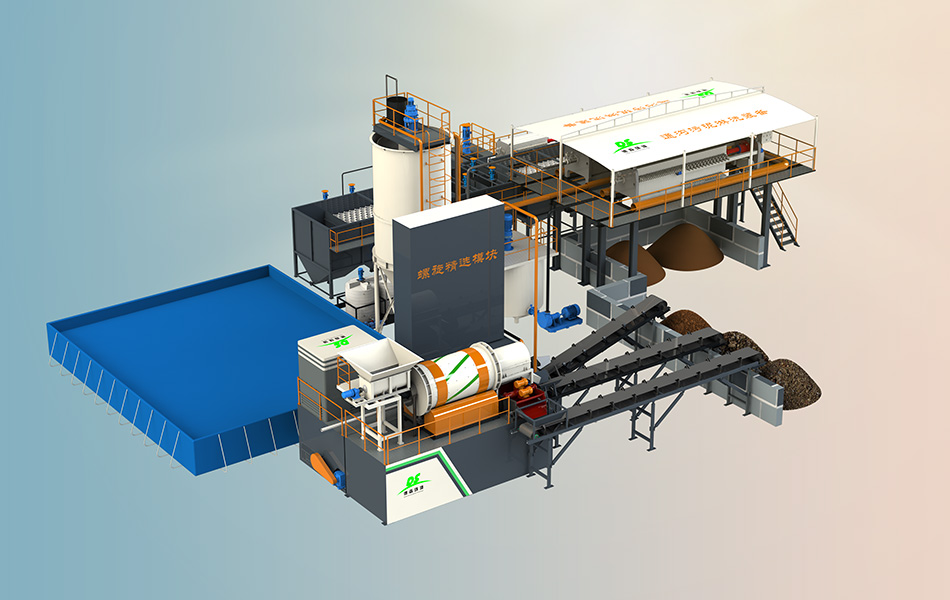
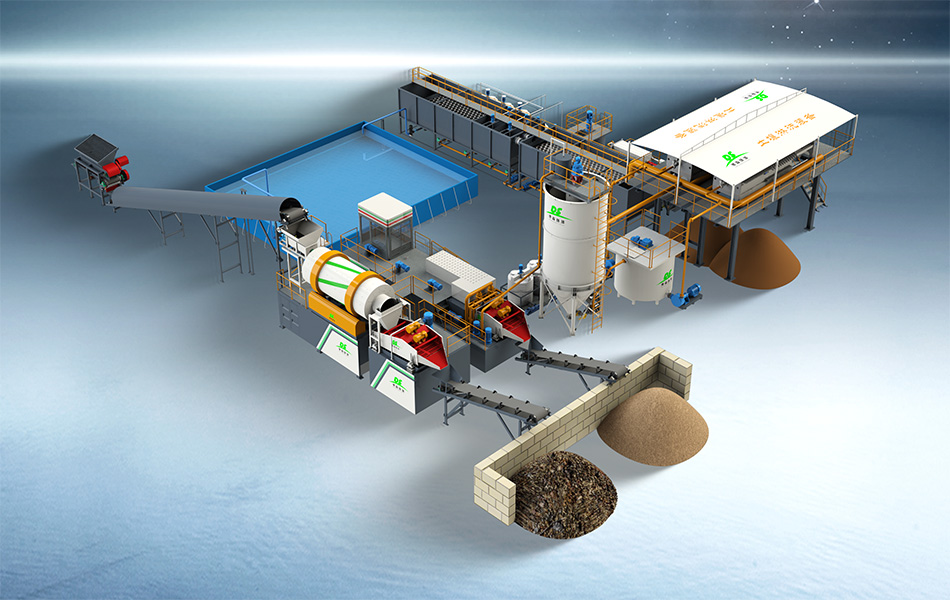
A verification program is most credible when it is planned before the plant starts, not negotiated after the first disappointing report. The plan must cover every output stream the process produces, because each fraction follows a different disposal or reuse route. On Desen projects the sampling plan is normally agreed between the remediation contractor, the laboratory and the regulator at the kickoff stage, and it usually covers the streams below.

Fractions That Need Verification
- Coarse fraction. Material above roughly 20 mm that screening rejected before washing; usually the simplest stream to certify for reuse.
- Washed sand and gravel. The 63-micron to 20 mm range discharged from the dewatering screens, the fraction most often targeted for reuse as backfill or aggregate.
- Fine fraction and filter cake. Hydrocyclone underflow that is thickened and dewatered; this stream carries most of the contaminant load and largely decides the project's disposal cost.
- Process water. Recycled washing water is sampled to confirm the closed circuit is not accumulating dissolved metals that could recontaminate clean sand.
For each fraction, laboratories normally require composite samples assembled from several grab samples taken across a production shift. Sampling frequency follows the receiving facility's acceptance rules: some landfills in North America request a TCLP result for every batch of incoming treated soil, while reuse projects may work to a rolling average across weekly composites.
Managing Results During Production Instead of After It
The expensive scenario is discovering a leachability problem after ten thousand tonnes have been stockpiled. Treating verification as an in-process control rather than a final inspection costs little and removes most of that risk. The leachability of the washed product tracks the quality of the separation upstream, so the controls that matter are operational.
Controls That Keep TCLP Results Predictable
- In-house screening. A simple on-site leaching check on daily composite samples gives an early warning days before formal laboratory results arrive.
- Fines monitoring. Washing quality degrades when silt escapes into the sand product, so the fines content of dewatered sand is checked every shift.
- Mass balance records. Documented contaminant mass in versus mass out supports the verification file and helps explain any outlier result.
- Hold points. Stockpiles stay segregated until the corresponding laboratory report clears them, so a doubtful batch never mixes with certified material.
- Laboratory alignment. Extraction fluid selection, sample preparation and holding times are agreed with the laboratory before production starts, avoiding retests caused by handling errors.
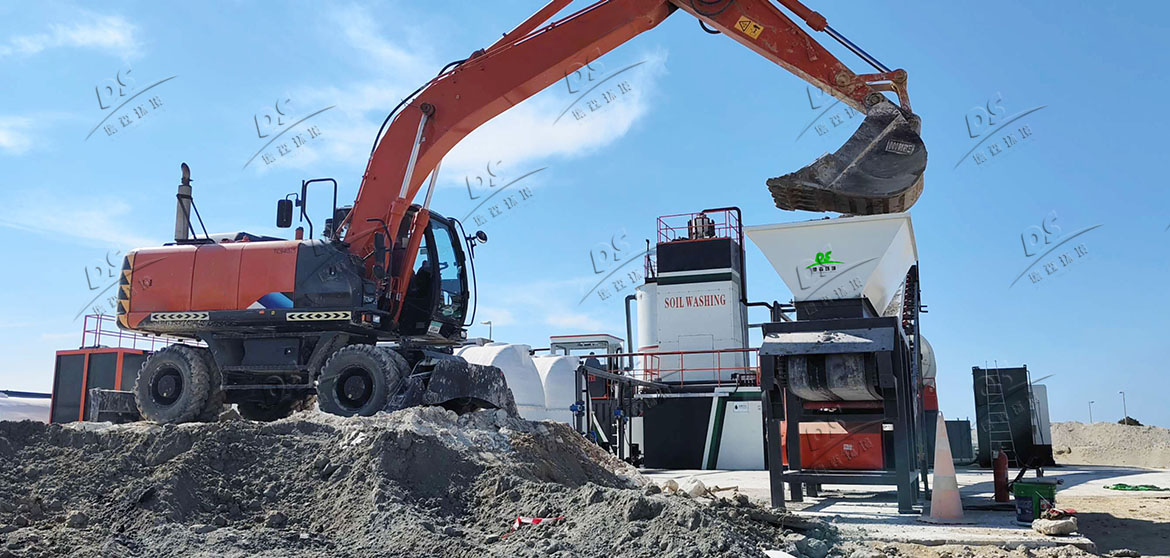
Verification is a design input, not an afterthought. Desen Environmental builds its modular and mobile soil washing equipment around the separation quality that leaching tests measure, and supports clients in the Middle East, Europe, Southeast Asia and North America with sampling plans matched to local acceptance criteria. Projects that plan TCLP testing for soil washing treated soil from day one reach site closure with fewer surprises and lower disposal volumes.