Waste Acceptance Criteria for Soil Washing Residues: Getting Treated Fines Accepted at Landfill
Soil washing shrinks contaminated volumes, but residual fines still need a disposal route. Learn how waste acceptance testing and documentation get residues accepted at landfill.
Waste Acceptance Criteria for Soil Washing Residues: Getting Treated Fines Accepted at Landfill
Soil washing is valued for one headline number: after size separation and scrubbing, most of the excavated mass, the clean sand and gravel fractions, can stay on site as reuse material, and only a much smaller residue stream needs to leave. But the process also concentrates contamination into that residue, a dewatered stream of silt, clay and filter cake. Before it can be hauled anywhere, a licensed landfill will ask one question: does the material meet the waste acceptance criteria? Understanding those criteria in advance shapes how a washing project is designed, sampled and documented, and it is often the difference between a smooth disposal route and a load turned away at the gate.
What Waste Acceptance Criteria Actually Measure
Across Europe, landfill acceptance follows the EU Landfill Directive and the associated Council Decision 2003/33/EC, which sets limit values for inert, non-hazardous and hazardous cells. Residues from washing a contaminated site usually target a non-hazardous cell, and the receiving operator judges the material against a defined parameter set rather than a general description.
Leachate Testing Comes First
The core test is a batch leaching procedure, typically EN 12457-2 in Europe or TCLP in North America. A sample of the dewatered residue is shaken with a specified volume of water, the extract is filtered and analysed, and results are compared with limit values for heavy metals such as lead, cadmium, chromium, nickel, copper and zinc, alongside parameters like sulphate, chloride, fluoride and dissolved organic carbon. Washing removes contaminants from particle surfaces, so well-run lines usually bring leachate values down sharply. The counterpoint is that the wash water carries the removed load into the fines, which means the residue must be verified batch by batch, not assumed clean on the strength of the feed analysis.
Physical and Organic Parameters Matter Too
Landfill operators also screen for total organic carbon, loss on ignition, pH, and where relevant PAHs, petroleum hydrocarbons, BTEX and asbestos in the residue. Moisture content and physical form are equally practical gates: free liquids are not accepted at most non-hazardous cells, which makes dewatering a compliance step rather than just an economic one. A filter cake that holds its shape and stays within the operator's moisture specification is far easier to book than a wet sludge with the same chemistry.
How the Washing Process Shapes the Residue Profile
Size Separation Decides Where the Mass Goes
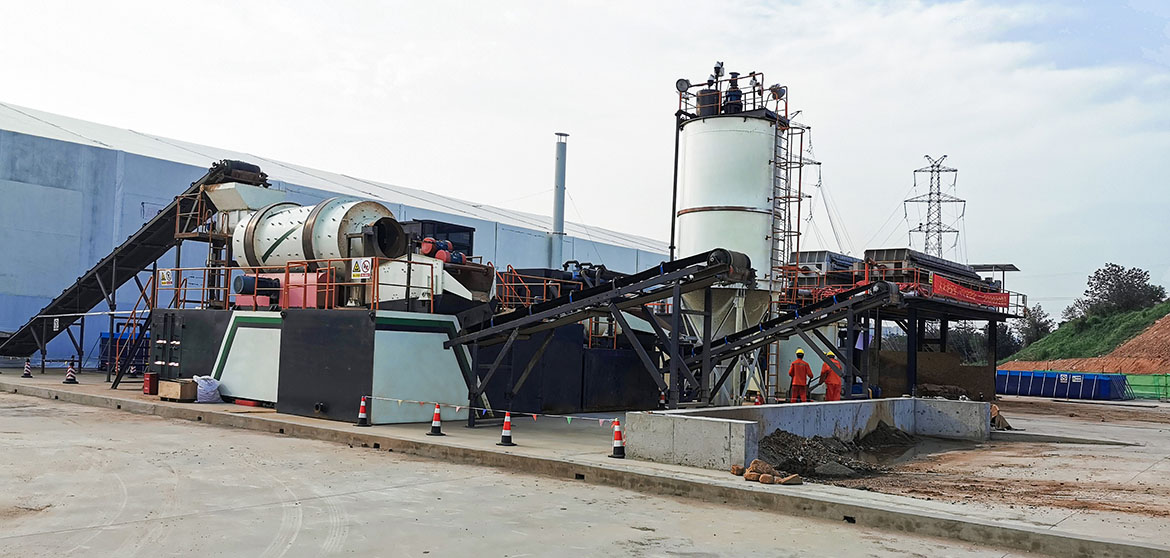
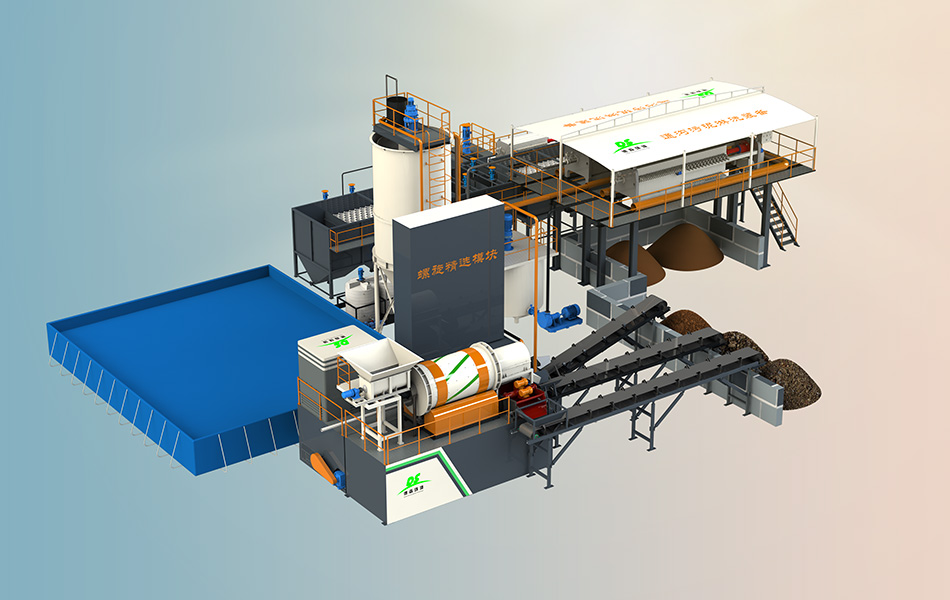
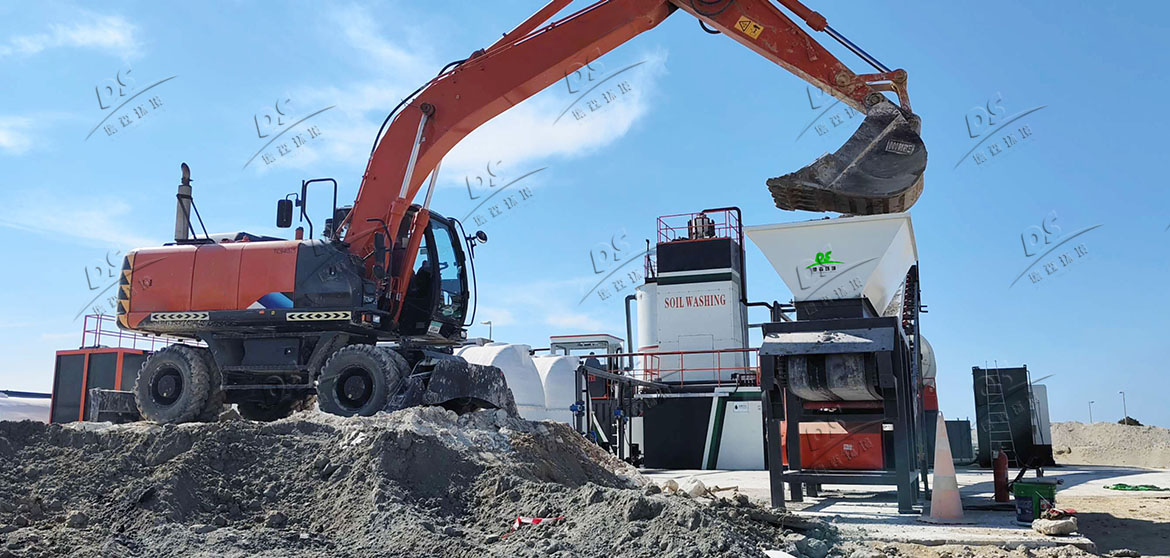
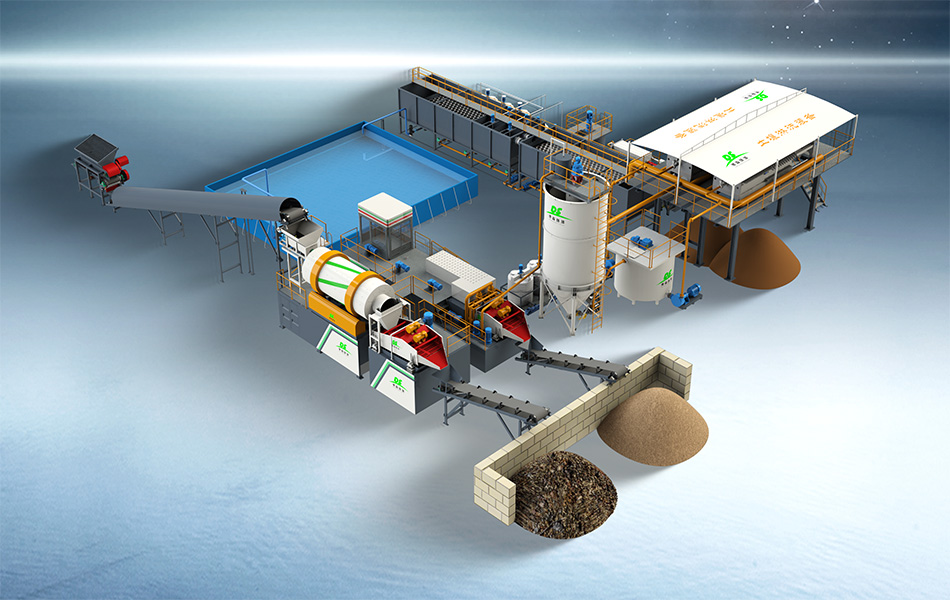
A washing plant splits the feed into fractions. Scrubbed sand and gravel usually meet reuse or clean backfill criteria and never enter the disposal conversation. Silt and clay fines, which carry most of the contaminant load, are thickened and dewatered into the residue stream. The tighter the separation at the front of the plant, the smaller and more consistent the residue volume becomes, and consistent material is easier to characterise, because landfill pre-acceptance relies on representative sampling across production batches rather than a single grab sample.
Process Water Treatment Keeps Parameters Stable
Process water is recirculated through classification and, where required, precipitation stages that remove dissolved metals before the water returns to the circuit. This matters for acceptance: if dissolved metals are allowed to build up in the loop, fines leaving the plant can re-adsorb contamination and drift outside the characterised range. A stable water treatment stage keeps batch results inside the envelope described in the pre-acceptance dossier, production lot after production lot.
The Documentation Package Landfills Expect
Disposal is a paperwork exercise as much as a chemical one. A residue dossier that moves through pre-acceptance without friction typically includes:
- A waste characterisation report describing the origin, the washing process and the European Waste Code classification of the residue
- Batch leaching test certificates from an accredited laboratory, each tied to a dated production lot
- Physical data: moisture content, particle size distribution and, where required, TOC and LOI results
- A pre-acceptance agreement with the receiving landfill, including its specific conditions of acceptance
- Transport documentation, including consignment notes for hazardous movements where applicable
Contractors who assemble this package while washing is still running avoid the classic failure mode: piles of dewatered residue sitting on site with no approved destination. Booking disposal capacity early, agreeing a sampling frequency with the landfill, and testing each batch as it is produced keeps the route open from the first load to the last.
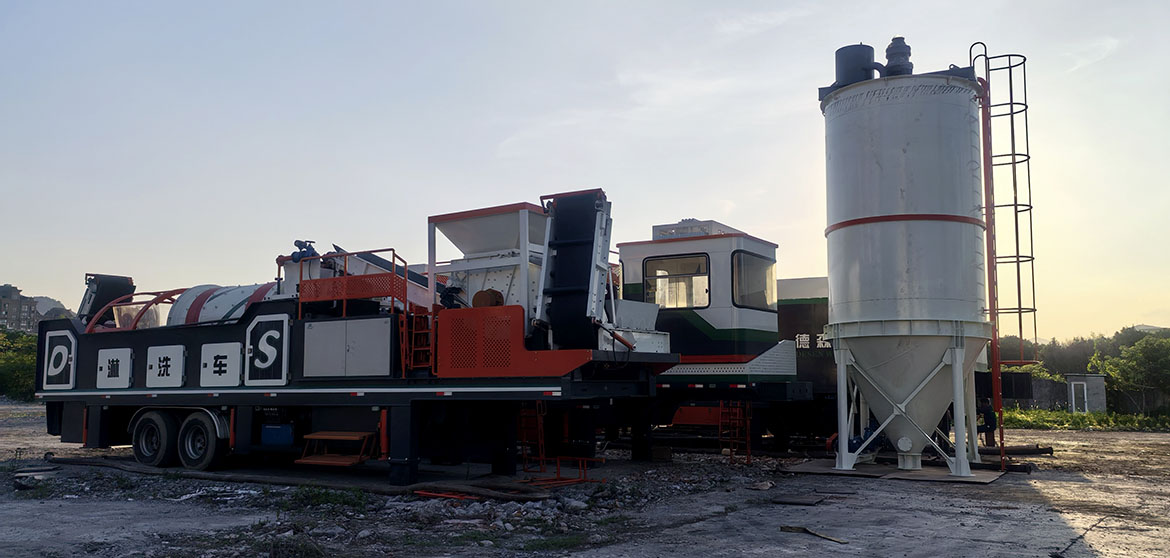
For project developers across Europe, the lesson is consistent: waste acceptance criteria are a design input, not a late-stage hurdle. A washing plant sized, dewatered and documented with the disposal route in mind turns residue management into a routine, and lets the headline saving of soil washing, the volume that never leaves site, actually reach the project balance sheet.