Gasworks Site Soil Washing for Cyanide Contamination: Preparing Legacy Town Gas Land for Redevelopment
How soil washing treats cyanide contamination at former gasworks sites: alkaline process control, iron cyanide handling, effluent oxidation and volume reduction for brownfield redevelopment.
Gasworks Site Soil Washing for Cyanide Contamination: Preparing Legacy Town Gas Land for Redevelopment
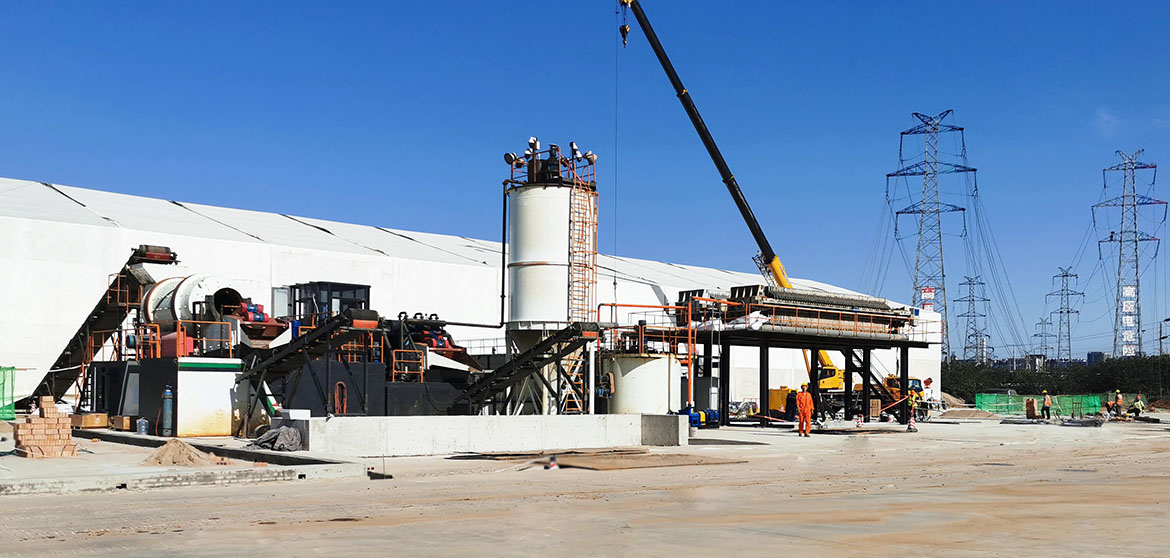
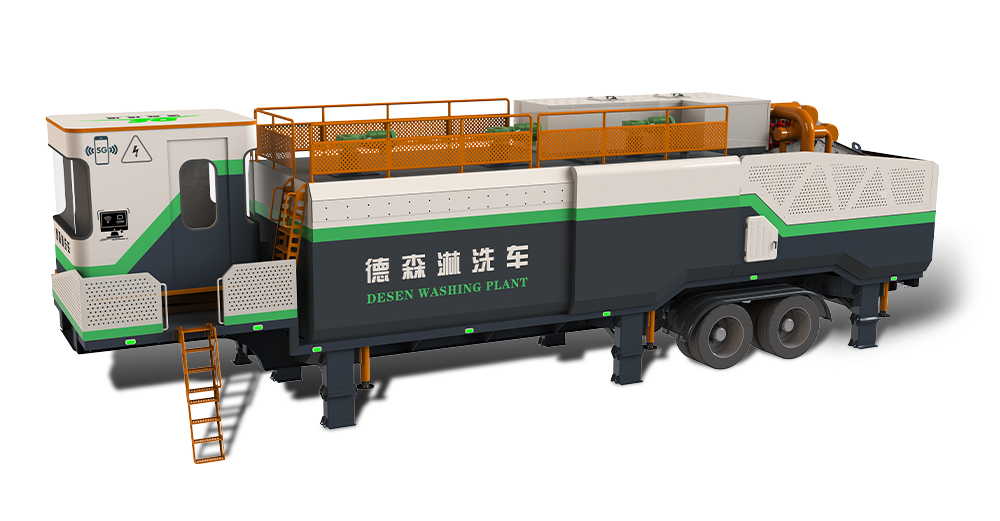
Across Europe, hundreds of former town gas and coal carbonization plants have been demolished, yet their soils remain loaded with tars, phenolics and a family of cyanide compounds that resist conventional cleanup. Developers who inherit these plots face a choice between bulk excavation, long-haul disposal and leaving value locked in the land. Soil washing offers a practical third route: it separates the contaminated fine fraction from reusable sand and gravel, and reduces the cyanide problem to a treatable volume. This guide explains how gasworks site soil washing for cyanide contamination works in practice, what the chemistry demands from the equipment, and what a European developer should confirm before commissioning a wash. 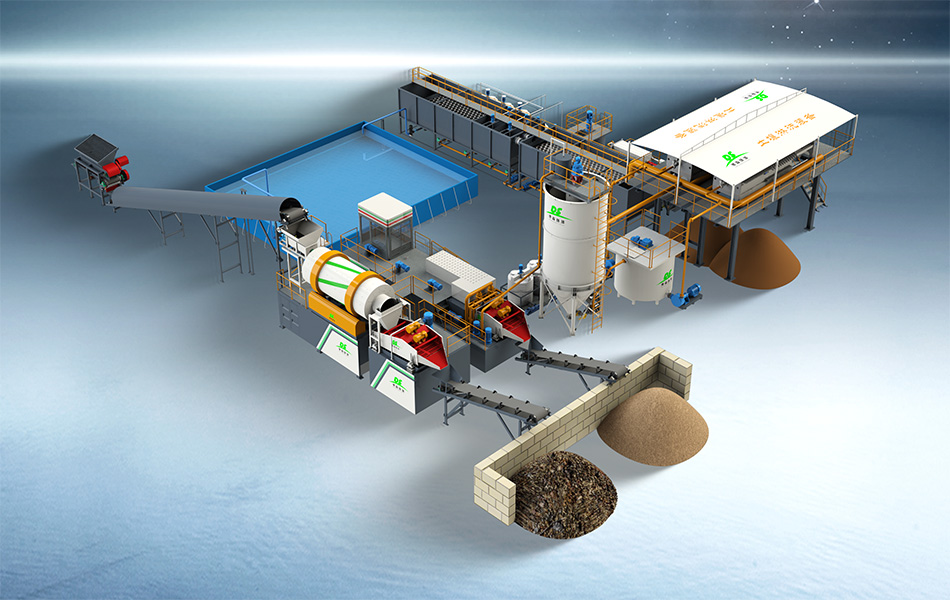
Why Cyanide Complicates Gasworks Remediation
Not one contaminant, but three
Cyanide at a former gasworks rarely appears as a single substance. Site investigations typically report three groups. Free cyanide, the most mobile and most toxic form, is water soluble and can leach toward groundwater. Weak acid dissociable cyanide sits partly adsorbed on organic matter and iron oxides. A large share of the total, however, is bound into insoluble iron complexes such as ferric ferrocyanide, the pigment known as Prussian blue, which gives gasworks soils their characteristic blue-green staining. Each group responds differently to treatment, so the washing process must be designed around the full speciation profile rather than a single concentration figure.
The real issue is volume
In many gasworks profiles, the heaviest cyanide loading sits in the fine fraction below 2 mm, together with coal particles and oxide sinter residues, while the coarse sand and gravel, which often account for most of the excavated mass, carry a much smaller share. That distribution is exactly what a washing plant exploits: scrubbing detaches fine contaminated particles from coarse grains, classification splits the two streams, and the washed coarse fraction can frequently be reused on site as fill or aggregate once verification is complete. Instead of trucking the entire pit to landfill, the project disposes of a concentrated fine stream, typically a fraction of the original tonnage.
How a Soil Washing Plant Handles Cyanide-Bearing Soil
Alkaline control comes first
Cyanide chemistry is pH sensitive. If the wash water turns acidic, iron cyanide complexes can decompose and release hydrogen cyanide gas, which no operator wants around a washing line. The entire wet circuit is therefore held under alkaline conditions, commonly above pH 10, with lime or caustic dosing keeping the slurry safely on the alkaline side. This is a process design requirement, not an optional setting, and it belongs in the plant specification, the instrumentation package and the operator training alike. 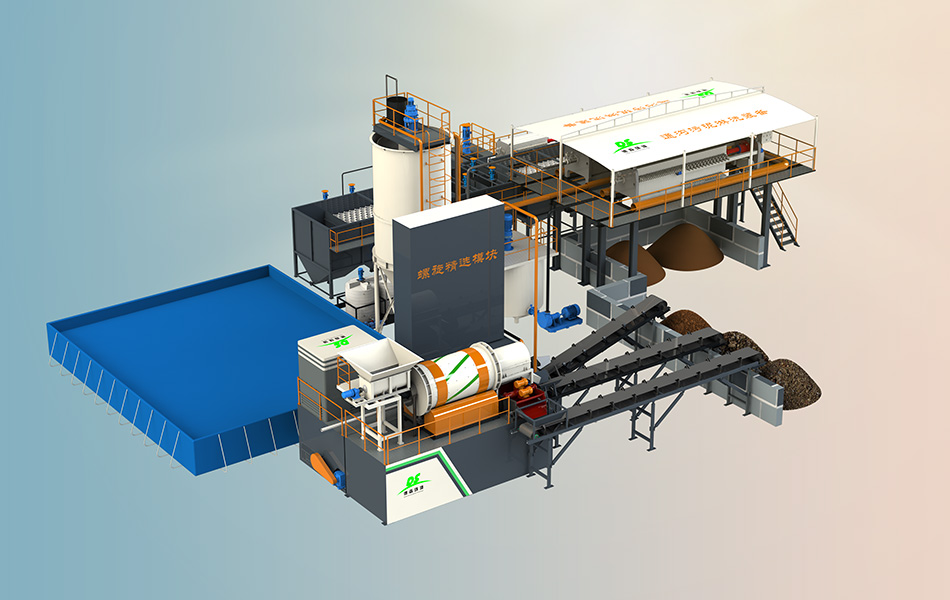
Segregation, attrition and staging
A typical washing sequence for gasworks soil runs through the following stages:
- Prescreening removes oversize rubble, bricks and clinker so that only treatable material enters the wet circuit.
- Attrition scrubbing uses high-intensity mixing to shear contaminated coatings and fine cyanide-bearing residues off sand and gravel grains.
- Classification separates the washed coarse fraction from the cyanide-loaded fines and slimes through hydrocyclones and screens.
- Reagent conditioning can be added where iron complexes need controlled release or precipitation before the water returns to the loop.
- Dewatering of the fines produces a stackable cake for disposal and returns clarified water to the circuit.
The exact configuration depends on the soil matrix and the cyanide speciation report, which is why laboratory and pilot testing on representative samples should precede any equipment order.
Effluent treatment inside the loop
Water management decides whether the process is compliant. Cyanide-bearing effluent is normally treated by chemical oxidation, using hypochlorite or peroxide, to destroy residual free and weak acid dissociable cyanide before the water is reused or discharged under permit. Insoluble iron complexes are captured with the fine solids and leave the plant in the filter cake. A closed-loop water design keeps fresh water demand low, which matters on urban sites where discharge consents are restrictive. 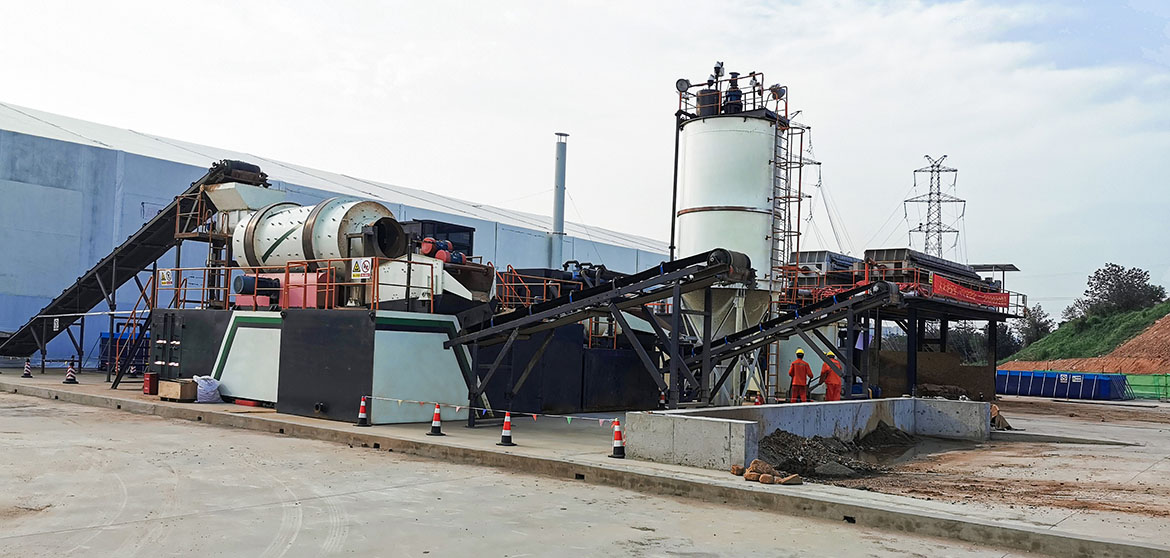
What European Developers Should Confirm Before Commissioning a Wash
Characterisation depth and pilot evidence
A reliable proposal starts with a fractionation study that distinguishes free, weak acid dissociable and iron-complexed cyanide, together with grain size distribution and co-contaminant data for tars and phenolics. Prospective equipment suppliers should show pilot or reference results on comparable gasworks material, including mass balance figures stating how much of the excavated volume is expected to be recovered as reusable coarse material and how much leaves as treated fines.
Permits, verification and downstream capacity
Before mobilizing plant to a European brownfield site, the project team should confirm several practical points:
- Whether the regulator accepts on-site washing for the planned end use, and what verification criteria apply to the washed coarse fraction.
- Where the treated fine cake will go, and whether the receiving facility accepts its waste classification.
- How effluent and emissions will be monitored, including any hydrogen cyanide monitoring requirements.
- What throughput the redevelopment schedule allows, so plant capacity is sized to the programme.
Handled with this level of preparation, soil washing converts a cyanide-affected gasworks plot from a liability into a supply of verified fill material, with a fraction of the haulage, disposal cost and carbon footprint of a dig-and-dump campaign. For European legacy gas land, the equipment route is well established; the deciding factors are sound speciation data, an alkaline and closed-loop process design, and a supplier with reference experience in cyanide-bearing soils.