Soil Washing Project Insurance Liability Requirements: Covering Risk on a Contaminated Land Site
What insurance and liability cover a soil washing project needs in Europe: pollution liability, contract risk allocation and the evidence suppliers provide for underwriters.
Soil Washing Project Insurance Liability Requirements: Covering Risk on a Contaminated Land Site
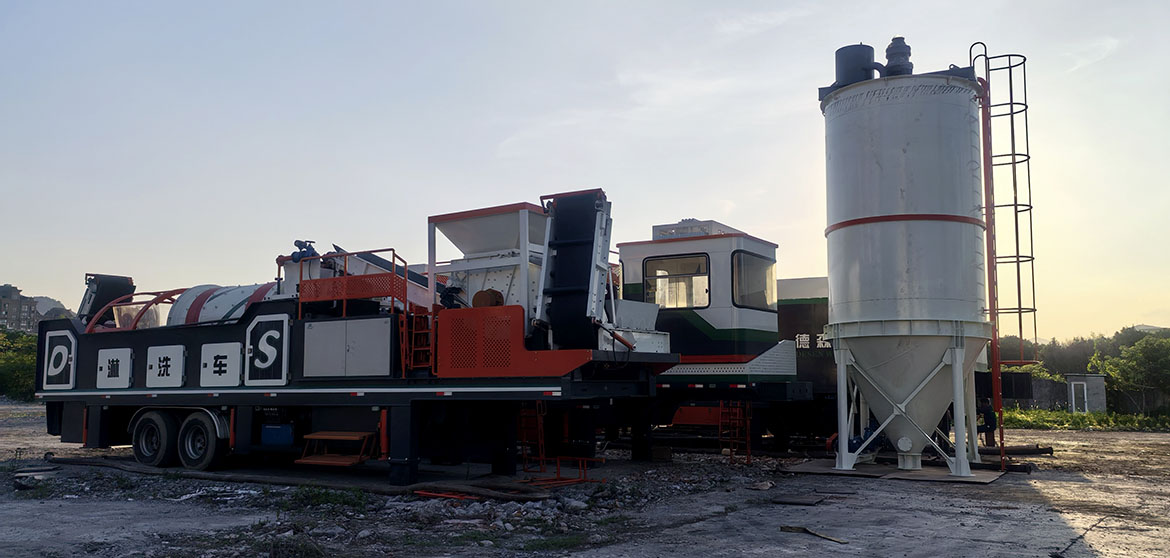
Before a washing plant arrives on a remediation site, the commercial groundwork has to be complete. Across Europe, main contractors and clients now routinely ask for evidence of insurance before mobilization is allowed, and soil washing projects carry a particular profile of risk: contaminated material is handled wet, process water circulates around the site, and treated soil leaves as a product rather than as waste. Understanding soil washing project insurance liability requirements before contract signature prevents the common situation where a project is technically ready but cannot secure site access because the cover documents do not match the contract. 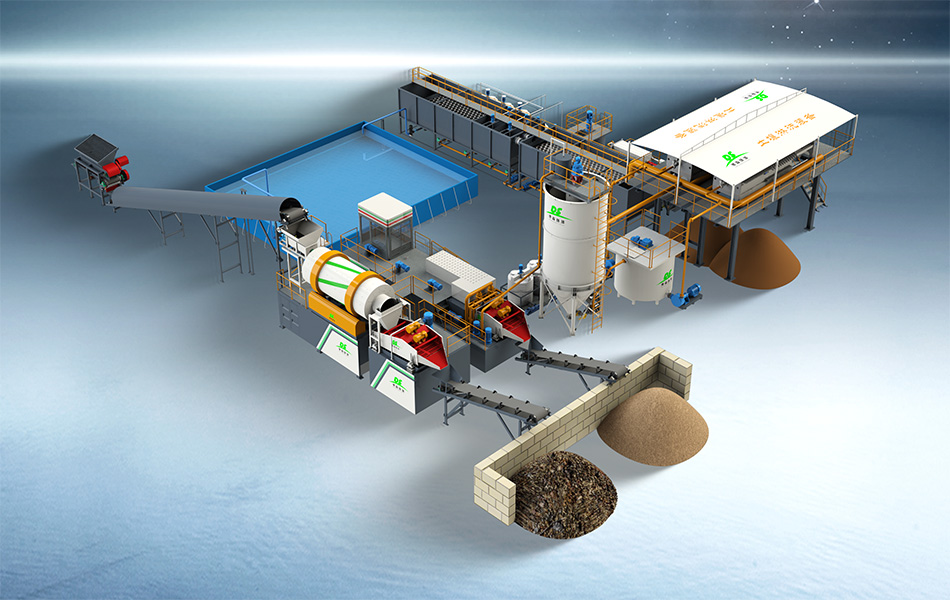
Insurance Types a Soil Washing Project Needs
Contractor's all risk and plant cover
Contractor's all risk insurance covers the physical works: excavation, stockpiles, the washing plant itself and the temporary works around it. Because a modular washing line may be owned, hired in or client supplied, insurers want clarity on who holds title to the plant, who insures it while it stands on site, and how it is listed in the contract schedule. Owned plant, hired-in plant and client-supplied plant are treated differently, and the hire agreements for any auxiliary equipment must align with the policy.
Environmental and pollution liability
Standard public liability policies usually exclude gradual pollution, so a dedicated contractor's pollution liability or environmental impairment cover is normally required. For soil washing, the questions an underwriter asks are concrete: is the process water circuit closed, where are the bunded storage areas, what happens during a power failure at the thickener, and how is the dewatered filter cake stored before collection. A project that can answer these with a documented process design finds environmental cover easier to place.
Public liability and professional indemnity
Public liability covers injury to third parties and damage to neighbouring property, which matters on urban brownfield sites close to residential receptors. Professional indemnity applies where the washing contractor or the equipment supplier takes design responsibility: if the process design fails to reach the agreed treatment targets, the client may claim re-treatment costs, and professional indemnity responds to that design liability.
How Liability Is Allocated in the Contract
Pre-existing contamination and care of the works
On a contaminated land project, the site already holds the pollution the insurance is concerned with, so contracts use specific mechanisms to separate existing conditions from new damage. Care of the works clauses make the washing contractor responsible for material in its custody. Baseline surveys of soil and groundwater record the starting condition. Exclusion of consequential loss limits what either party can claim. The washing contractor's interest is to confirm these mechanisms are present, not to negotiate them away.
Indemnities, warranties and verification
The clauses that most often cause disagreement on washing projects are the indemnity for pollutant release, the warranty on treated soil quality and the escalation route if verification testing fails. Before signature, a contractor should work through a short list:
- Whether the pollution indemnity is limited to sudden, accidental release or extends to gradual seepage from the wash circuit.
- Whether treated soil acceptance criteria are expressed as verifiable numerical limits, so a pass or fail can be demonstrated by laboratory testing.
- Who bears the cost of re-treatment or disposal if a batch fails verification, and whether that risk sits with insurance or with the contract price.
- Whether subcontracted haulage and disposal carry their own cover matching the main contract requirements.
- Notice periods and emergency response duties after a spill or bund overtopping.
What Suppliers and Contractors Should Have Ready
Process evidence for underwriters
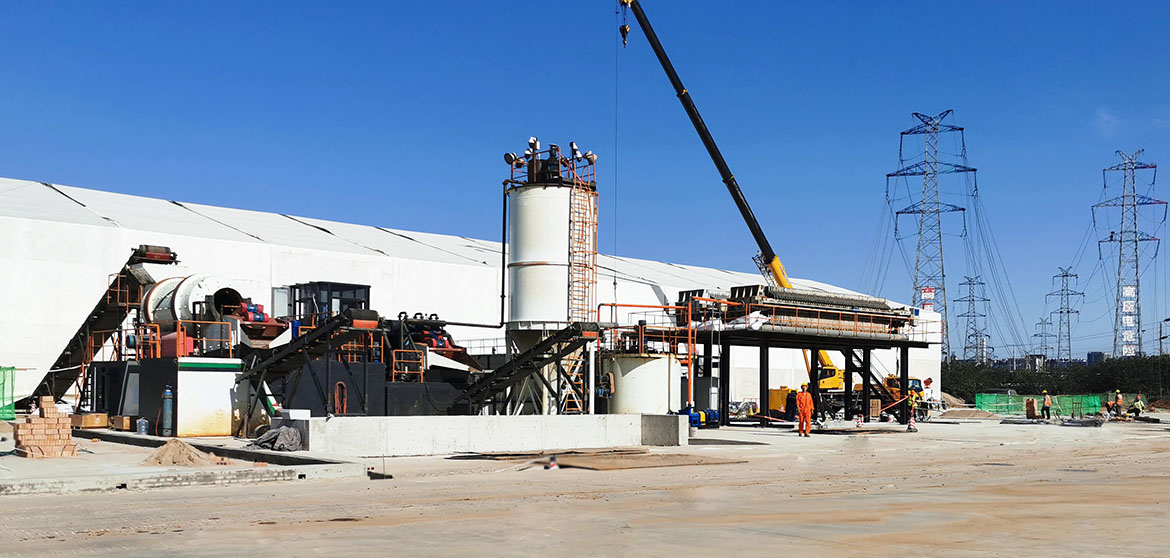
Insurers price risk on the information they receive, so the supplier's documentation pack does real work at this stage. A useful pack contains the process flow diagram showing the closed water loop, containment and bunding details, the instrumentation list covering pH and flow monitoring, and the emergency shutdown arrangements. Desen Environmental supplies this documentation with every modular washing plant, together with CE conformity files, factory acceptance test records and operating manuals, so the contractor can complete an insurer questionnaire without waiting on the manufacturer.
Matching cover to the project programme
Cover must be in force from the first site activity, including civil works and plant offloading, and remain in place through demobilization and the verification reporting period. Where a washing campaign is extended, extension terms need to be agreed in advance rather than requested mid-project. The practical sequence is straightforward: finalize the process design, issue the insurer questionnaire supported by the supplier documentation pack, bind the all risk and environmental covers, and only then confirm the mobilization date. Handled in this order, insurance becomes a scheduling input instead of a late-stage obstacle.
For contractors planning soil washing projects in Europe, Zhengzhou Desen Environmental Technology Co., Ltd. supports the commercial stage as well as the technical one, providing process documentation and reference information that insurers and clients ask for. Share your project outline at materialwashing.com to receive the documentation pack alongside the process proposal.