Mobile Washing Plant Noise Control for Urban Sites: Meeting City Limits With Mobile Soil Washing Equipment
How to plan noise control for a mobile washing plant on an urban soil washing site: noise sources, barriers, working hours and what to specify before delivery.
Mobile Washing Plant Noise Control for Urban Sites: Meeting City Limits With Mobile Soil Washing Equipment
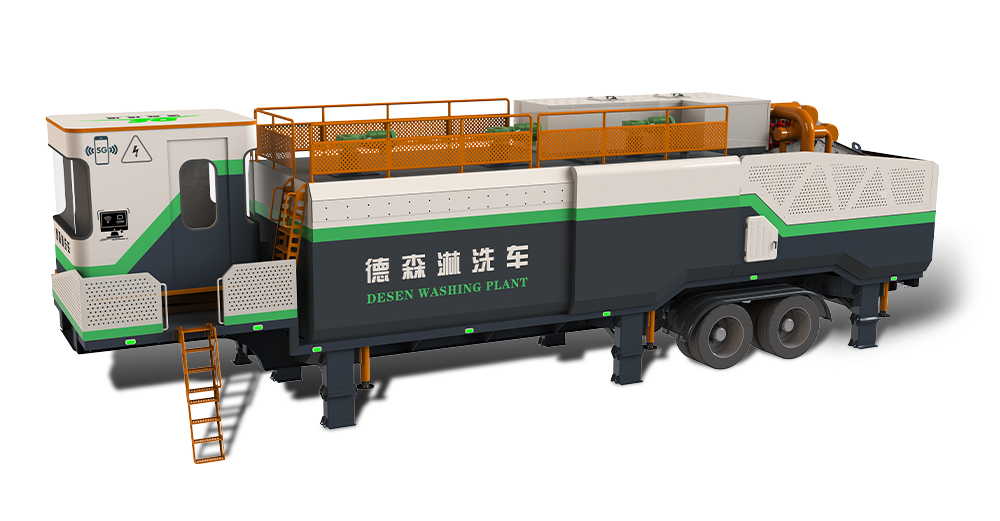
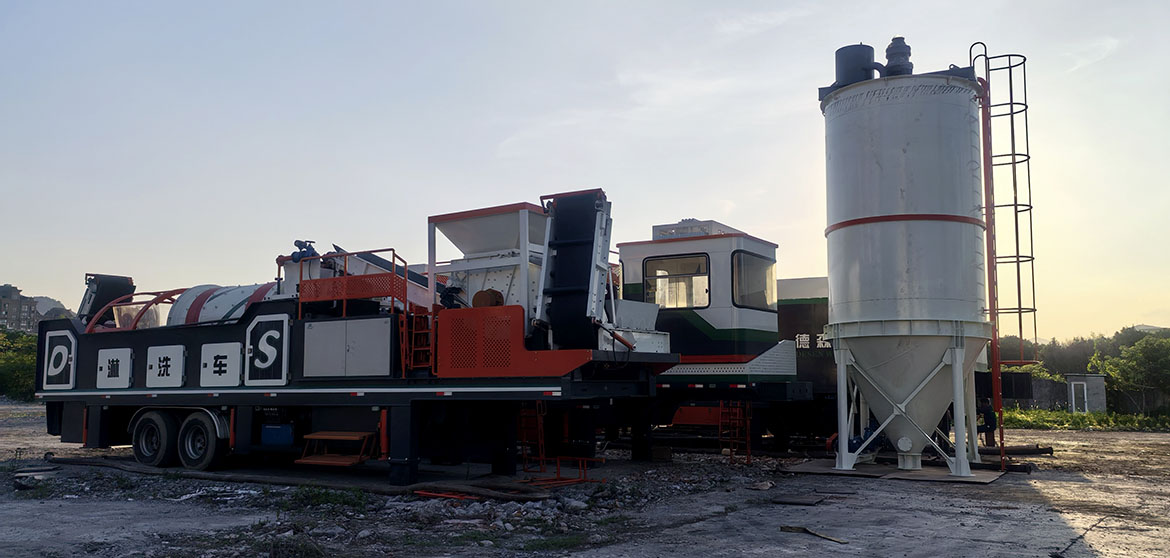
Bringing a mobile washing plant into a city changes the character of a remediation project. The equipment may be identical to what runs on an industrial brownfield, but the surroundings are not: on urban sites the plant often works within a hundred metres of apartment blocks, schools or offices, and the operating permit will usually contain a measurable noise condition at the site boundary. For contractors in European cities, where soil washing is increasingly used to keep contaminated material out of landfill, noise control has become a planning question rather than an afterthought. This article sets out where noise on a soil washing line actually comes from, which measures reduce it in practice, and what to specify before the equipment leaves the factory.
Why Urban Noise Rules Shape a Mobile Washing Plant
Municipal noise limits are normally written as dB(A) values measured at the nearest sensitive receptor, with stricter figures at night than during the day. A contractor who only discovers the exact limit after mobilisation has very little room left to work with, because most of the effective controls are decided by plant positioning, equipment choice and working hours, all fixed before the first bucket of soil is excavated. Understanding the noise sources on the line is therefore the first step in planning a compliant urban site.
Where the noise actually comes from
A soil washing line produces a small number of dominant sources, and treating the wrong one wastes both money and goodwill with neighbours. On a typical mobile configuration, the main contributors are:
- Vibrating screen and star or trommel screen decks, where panel impact generates broadband noise
- The attrition scrubber and drum washer drives, running continuously at design load
- Diesel generator sets, often the loudest single source on sites without grid power
- Hydraulic power packs and the fans and coolers attached to them
- Conveyor drives and the material impact points where soil drops onto belts and into hoppers
- Reversing alarms, which are short but frequent and the most common source of complaints
Measured at the boundary, distance and screening matter as much as the machines themselves. Every doubling of distance reduces sound pressure noticeably, and an earth stockpile or an existing wall between the plant and a residence can be worth several decibels before any engineered solution is added.
Noise Control Measures That Work on a Washing Site
Positioning the line before it arrives
The lowest-cost noise control is a site plan. Place the loudest units, the screens and the generator, as far as practical from the nearest dwellings, and point conveyor discharge and loading faces away from them. Set the site office, stockpiles and settlement tanks as buffer elements between the plant and sensitive receptors. On tight urban plots this may mean accepting longer internal haulage, which is usually a fair trade against a noise complaint that stops production for a day.
Enclosures, barriers and equipment selection
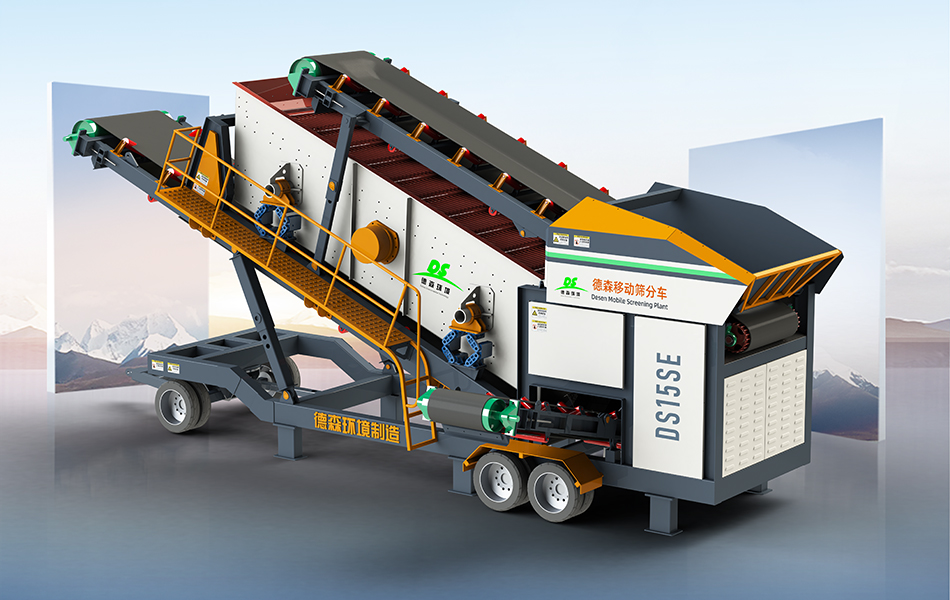
Where distance cannot be bought, engineered controls carry the rest. Local acoustic enclosures around generator sets and hydraulic power packs are standard and effective, because these units radiate from a small area and run continuously. Barrier panels or lined screens around the sorting and screening area cut the impact noise that escapes upward. Lining chute and hopper wear plates with resilient material reduces the metallic ring at drop points, and fitting broadband reversing alarms removes the most irritating sound on site. Equipment selection also matters: a trailer-mounted screening plant with enclosed panel sides and lined conveyors is quieter in service than an open-skid arrangement, and electric drives connected to grid power eliminate generator noise entirely.
Working hours and monitoring
Most urban permits restrict noisy operations to daytime windows, and a washing line adapts to this better than many processes. Water treatment, thickener operation and dewatering can often continue outside the noisy window, while screening and scrubbing are scheduled within it. Keep a simple noise log with periodic measurements at the boundary, and record any complaint with the weather and operating conditions at the time, because a documented pattern protects the permit far better than verbal assurances.
Specifying Noise Performance Before Delivery
What to put in the enquiry
Noise performance can be specified and tested like any other plant parameter, but only if it is requested early. Useful items to agree with the supplier include:
- Expected sound pressure levels per major unit at a defined distance, under load
- Enclosure and barrier options priced as line items, not bundled silently
- Electric drive configuration for sites with grid power, so generator hours are reduced
- Resilient lining at feed hoppers, chutes and transfer points
- Documentation and test records that can be attached to the planning file
Desen Environmental supplies mobile washing equipment configured for urban and peri-urban sites, and can support the noise section of a planning application with unit-level data. If the project sits inside a European city, raise the boundary limits at enquiry stage: positioning, enclosures and drive configuration are all straightforward to decide before shipment and expensive to change once the plant is standing on a constrained site.