Oil Sludge Treatment Solutions for Contaminated Soil Remediation
Effective oil sludge treatment for contaminated soil remediation. Desen's thermal washing systems handle TPH up to 50,000 mg/kg, recover crude oil, and meet UAE & EPA standards. Modular design for 15–100 t/h capacity.
Oil sludge and petroleum-contaminated soil present significant environmental challenges at oilfields, refineries, tank farms, and pipeline sites across the Middle East and globally. With tightening environmental regulations and growing ESG requirements, operators need reliable oil sludge treatment solutions that achieve regulatory compliance while recovering valuable resources.
The Scale of Oil-Contaminated Soil Challenges
In major oil-producing regions such as Saudi Arabia and the UAE, petroleum hydrocarbon (TPH) contamination accounts for 60–70% of all soil remediation projects. Single sites can involve 50,000 to over 1 million cubic meters of contaminated soil. Common sources include:
- Crude oil spills and pipeline leaks at production fields
- Aged storage tank bottoms and tank farm seepage
- Drilling waste pits and oily cuttings disposal areas
- Refinery退役 sites with decades of operational history
- Decommissioned fuel stations with underground storage tank leaks
Traditional approaches such as landfill disposal face increasing regulatory restrictions and rising costs. Thermal soil washing technology now provides a proven, resource-efficient alternative.
How Thermal Washing Treats Oil-Contaminated Soil
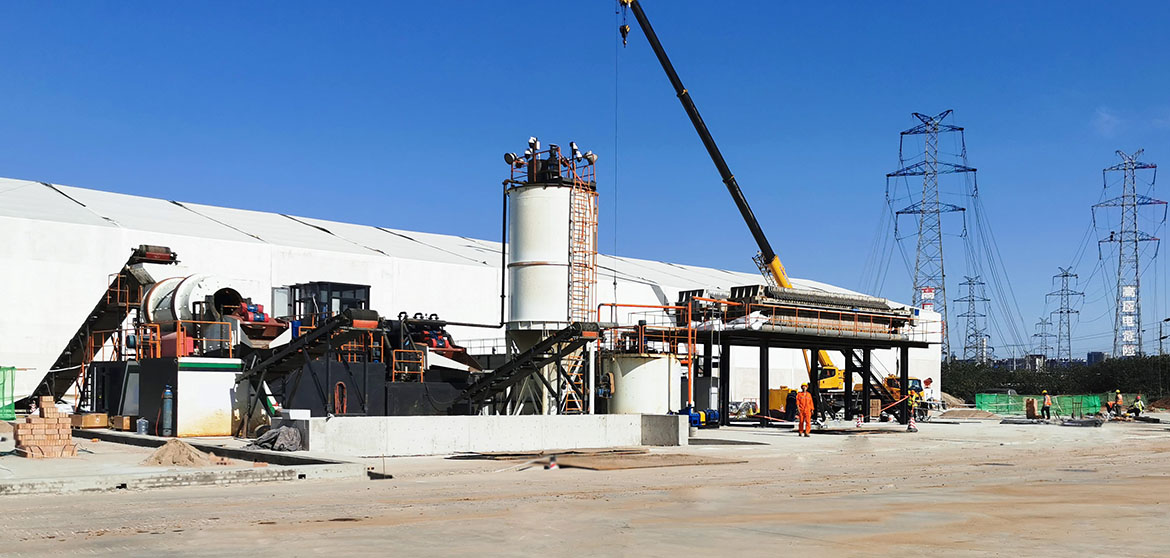
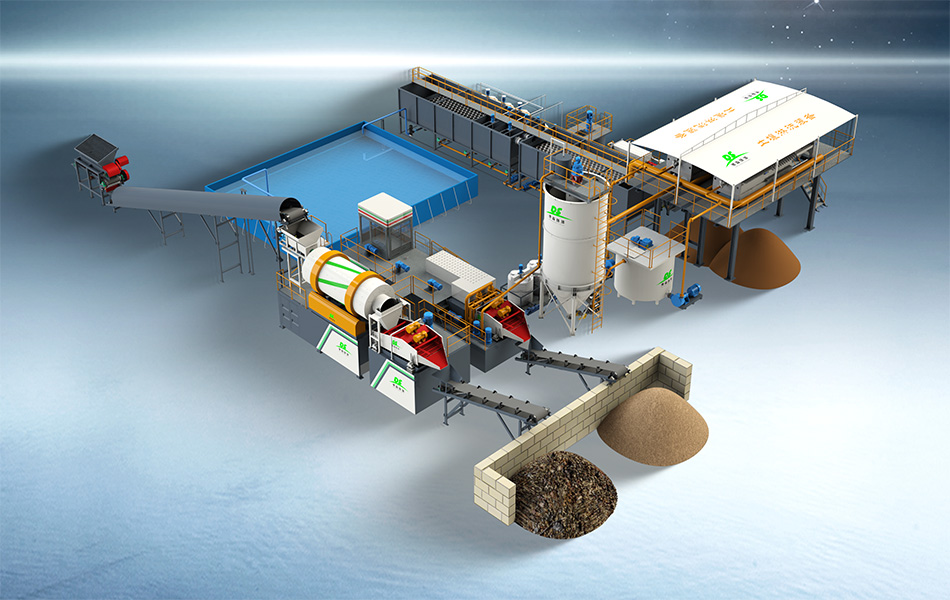
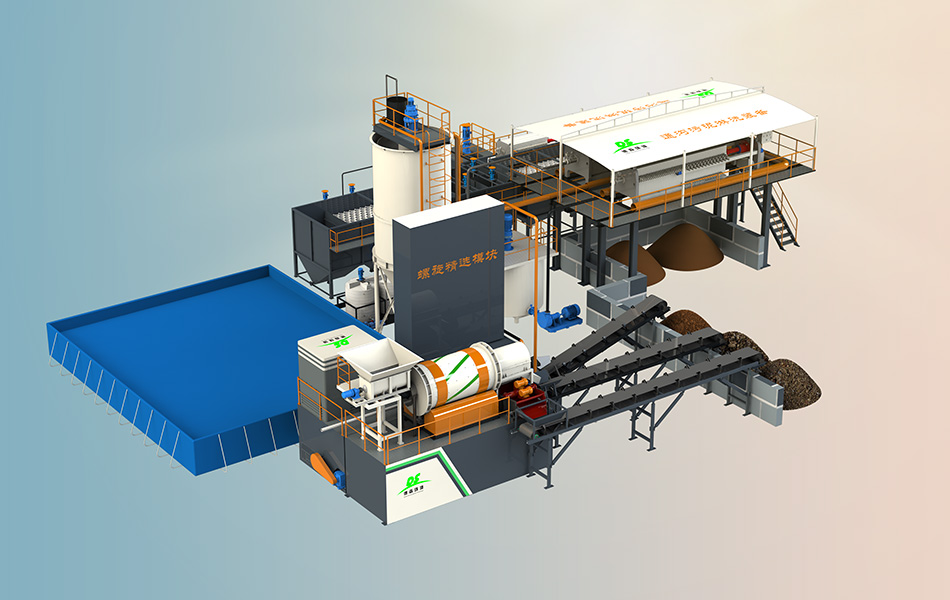
Desen Environmental's oil-contaminated soil thermal washing system combines physical scrubbing with chemical washing to separate petroleum hydrocarbons from soil particles. The process begins with pre-screening and feeding, followed by high-intensity scrubbing in a rotary drum scrubber where washing agents break the bond between oil and soil particles.
The slurry then passes through multi-stage classification. Particles larger than 2 mm are separated as clean aggregate. The 0.15–2 mm fine sand fraction undergoes further classification via hydrocyclones. Particles below 0.15 mm proceed to deep-cone thickening and filter press dewatering. Throughout the process, an oil-water separation stage recovers free-phase oil for collection and off-site recycling.
Key technical specifications of the DSLX oil washing series:
- Processing capacity: 15–100 tons per hour, configurable to project requirements
- Applicable TPH range: Below 50,000 mg/kg in feedstock soil
- Water recycling rate: ≥90% through integrated water treatment module
- Control system: DCS automation with 5G-enabled remote monitoring
- Power consumption: Approximately 260 kWh per hour for a 30 t/h production line
Market Applications Across the Middle East
The system is designed for the harsh operating conditions typical of Gulf region projects: ambient temperatures up to 50°C, high-salinity soil and water, and frequent dust exposure. Equipment components specified with IP65-rated electrical cabinets, 316L stainless steel in critical wetted parts, and high-temperature-rated motors ensure operational reliability.
Typical application scenarios include oilfield crude-contaminated soil, refinery sludge pits, tank farm remediation, drilling waste treatment, and legacy industrial sites. The modular configuration allows the same system to be redeployed across multiple project sites, improving asset utilization for contractors and environmental service providers.
Desen offers equipment procurement, operational leasing, and EPC project delivery models. Visit our oil sludge treatment solutions page or review the Abu Dhabi project case study for detailed performance data.