Modular Soil Washing Equipment for Contaminated Soil Treatment
Explore how modular soil washing systems provide flexible, scalable solutions for contaminated site remediation. Learn about treatment processes, applications for heavy metals and organics, and operational advantages.
Effective management of contaminated sites requires treatment approaches that balance technical performance with operational efficiency. Modular soil washing systems have become an important option for remediation projects seeking flexible, scalable solutions for various contamination scenarios.
Understanding Modular Soil Washing Technology
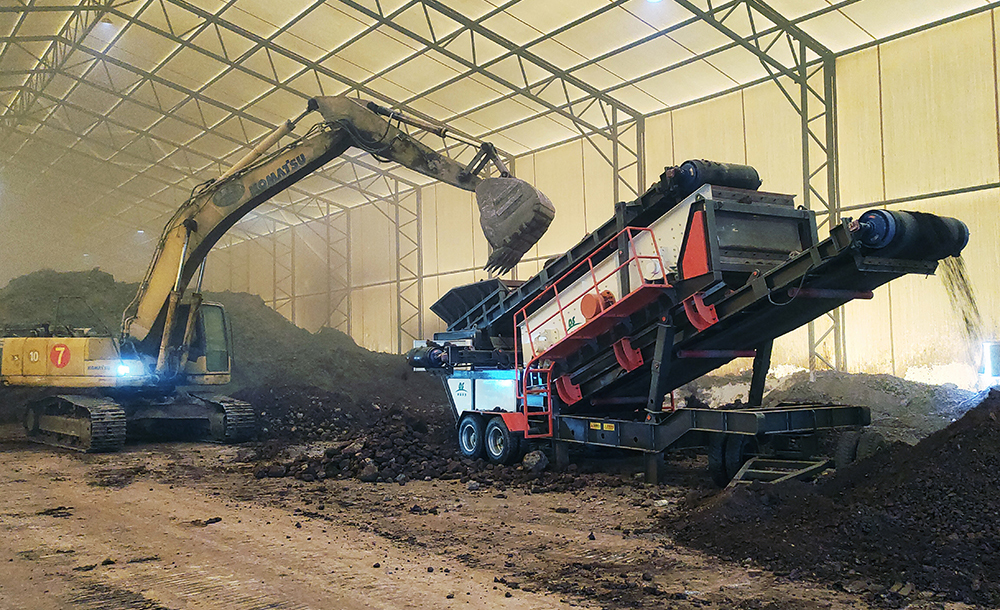
Modular soil washing is a physical-chemical treatment process that separates contaminants from soil particles through a series of washing, scrubbing, and classification stages. The technology works on the principle that most organic and inorganic contaminants preferentially bind to finer soil fractions such as silt and clay.
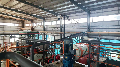
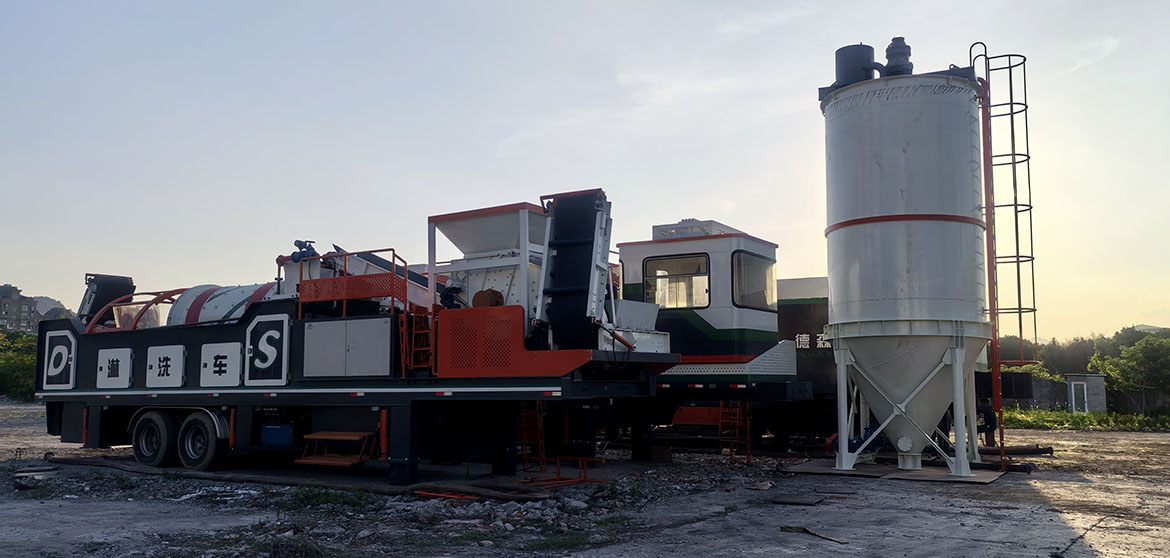
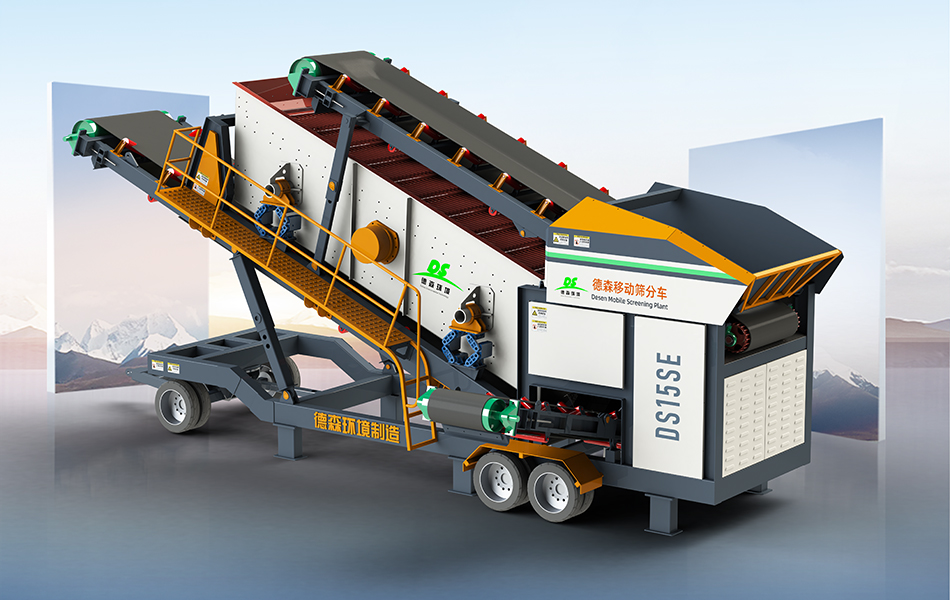
A complete modular washing system typically integrates seven functional units: feeding, scrubbing and screening, soaking and classification, thickening, filter pressing, water treatment, and electrical control. This modular architecture allows the system to be configured according to specific site conditions and contamination profiles.
Key Advantages of the Modular Approach
Compared to traditional fixed-installation treatment plants, modular systems offer several important benefits:
- Rapid deployment: Modular units require no permanent foundations and can be operational within 15 days of delivery.
- Scalable capacity: Processing rates from 15 to 100 tonnes per hour can be configured to match project requirements.
- Water conservation: Closed-loop water recycling achieves over 90% reuse, minimizing freshwater consumption and wastewater discharge.
- Intelligent control: Distributed control systems with remote monitoring enable real-time process optimization and reduced operator workload.
Applications Across Contamination Types
Modular soil washing systems demonstrate effectiveness across a range of contamination scenarios. For heavy metal contamination, such as chromium, lead, and arsenic found at former industrial sites, the technology separates metal-laden fine particles from clean coarse fractions. At one major chromate production site, a modular washing plant processed soil across a large-scale remediation project, achieving cleanup targets through multi-stage classification and chemical extraction.
For organic contaminants including petroleum hydrocarbons, the scrubbing and flotation stages effectively liberate oil from soil matrices. A notable application involved treating oil-contaminated soil in the Middle East, where the system processed material at 100 tonnes per hour while recovering crude oil as a separate product stream.
Mixed contamination scenarios combining heavy metals and organics can also be addressed through appropriate reagent selection and process sequencing within the modular framework.
Economic Considerations
The total cost of ownership for modular washing systems compares favorably with alternative remediation approaches. Equipment service life exceeds ten years under normal operating conditions, and the ability to relocate systems between projects maximizes utilization rates. For large-scale brownfield redevelopment programs, the modular approach enables phased treatment that aligns with construction schedules and budget allocation.
As regulatory requirements for contaminated land continue to tighten globally, modular soil washing represents a practical pathway to achieving cleanup objectives while maintaining operational flexibility and cost control.