Mobile Oil Sludge Treatment Solutions for Soil Remediation
Mobile oil sludge treatment solutions address petroleum-contaminated soil through thermal washing. Learn about oil recovery, water recycling, and on-site deployment for oilfield remediation projects.
Petroleum exploration, refining, and storage activities generate substantial volumes of oil-contaminated soil requiring effective treatment. Mobile oil sludge treatment solutions have emerged as a practical approach for addressing these contamination challenges, particularly at remote sites where fixed treatment infrastructure is unavailable.
The Challenge of Oil-Contaminated Soil
Oil sludge and petroleum-contaminated soil present unique treatment challenges. Hydrocarbons bind strongly to soil particles, and the viscous nature of crude oil makes separation difficult through conventional methods. Sites affected by oil contamination range from oilfield drilling locations and tank farms to pipeline spill areas and decommissioned refinery sites, each requiring tailored treatment strategies.
Thermal Washing: The Core Treatment Process
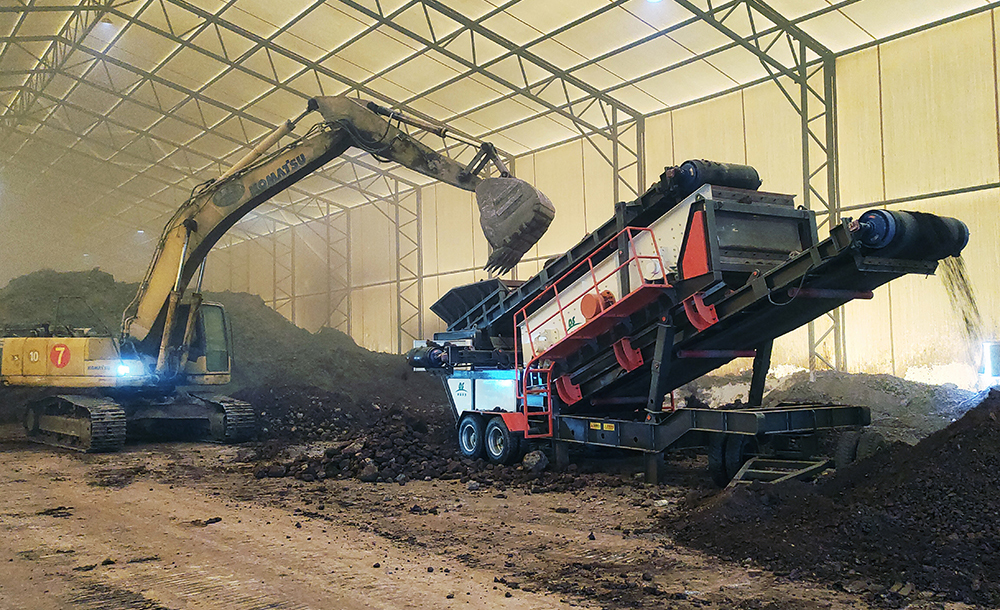
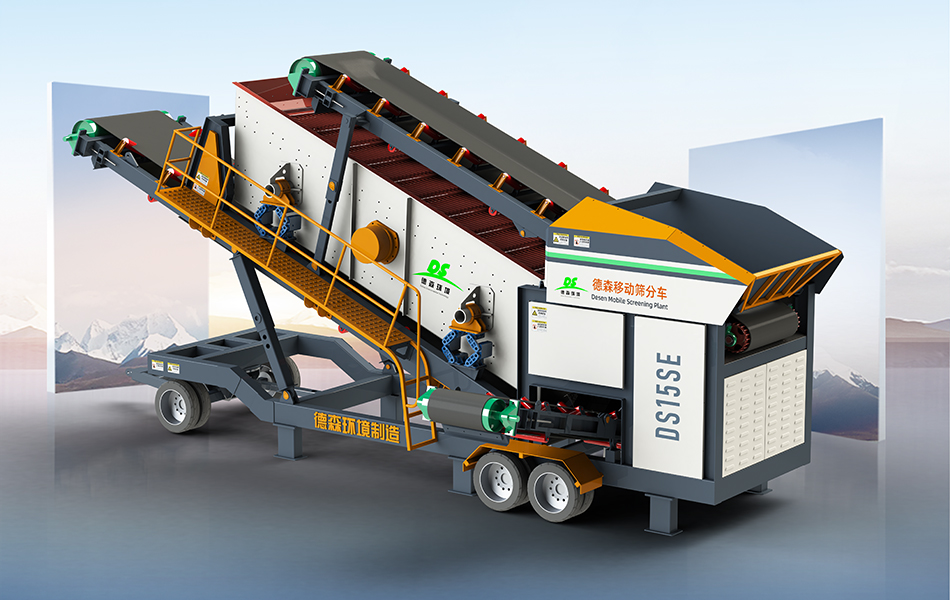
Mobile oil sludge treatment employs a thermal washing process that uses heated water and specialized reagents to separate hydrocarbons from soil matrices. The process begins with pretreatment screening to remove oversize debris, followed by high-intensity scrubbing where soil is mixed with water at controlled ratios. The scrubbing action liberates oil from particle surfaces, allowing it to float to the surface for collection.
After scrubbing, the slurry passes through multi-stage classification that separates materials by particle size. Clean coarse fractions are discharged for reuse, while fine particles carrying residual contamination proceed to further treatment. Throughout the process, floating oil is collected in separation tanks for recovery, transforming what would be waste into a recoverable resource.
Treatment Outcomes and Resource Recovery
A well-designed mobile oil sludge treatment system achieves multiple objectives simultaneously:
- Soil remediation: Processing capacity ranges from 15 to 100 tonnes per hour, with treated material meeting regulatory standards for reuse or safe disposal.
- Oil recovery: Floating oil collected during treatment can be returned to production streams, offsetting treatment costs.
- Water recycling: Closed-loop water systems achieve over 90% reuse, reducing freshwater demand and eliminating wastewater discharge.
- Volume reduction: By separating clean fractions from contaminated fines, the system significantly reduces the volume of material requiring intensive treatment or off-site disposal.
Operational Advantages of Mobile Systems
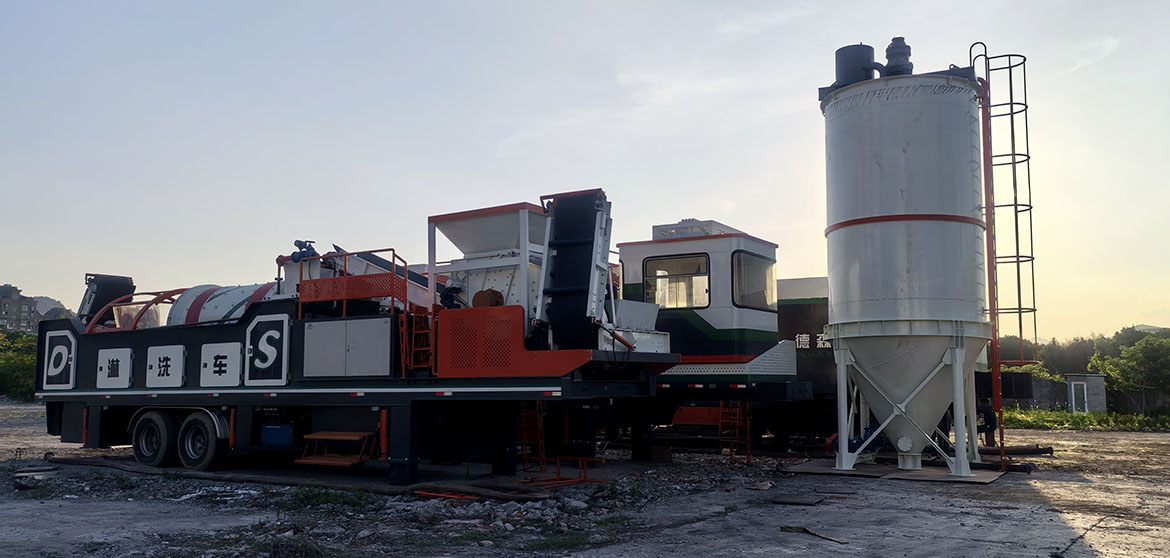
Mobile treatment units offer distinct advantages for oilfield and industrial applications. Systems are containerized for transport and can be deployed within days of arrival on site. This mobility is valuable for emergency spill response, where treatment equipment must be positioned quickly to contain and remediate contamination before it spreads.
For ongoing operations at active oilfields, mobile units can move between drilling pads and tank battery locations as treatment needs shift. The modular design also supports capacity adjustments, allowing operators to scale treatment throughput by adding or removing units as project requirements change.
Remote monitoring capabilities enable off-site supervision of key process parameters, reducing the need for continuous on-site staffing while maintaining treatment quality and safety standards.