Mobile Screening Plant Applications in Soil Remediation
Mobile screening plants serve as the critical first stage in soil remediation. Discover how screening technology prepares contaminated soil for washing, biological treatment, and resource recovery applications.
Before contaminated soil can be treated through washing, thermal, or biological processes, it must first be properly prepared. Mobile screening plants serve as the critical first stage in soil remediation workflows, separating oversize materials and homogenizing feedstock for downstream treatment equipment.
The Role of Screening in Soil Remediation
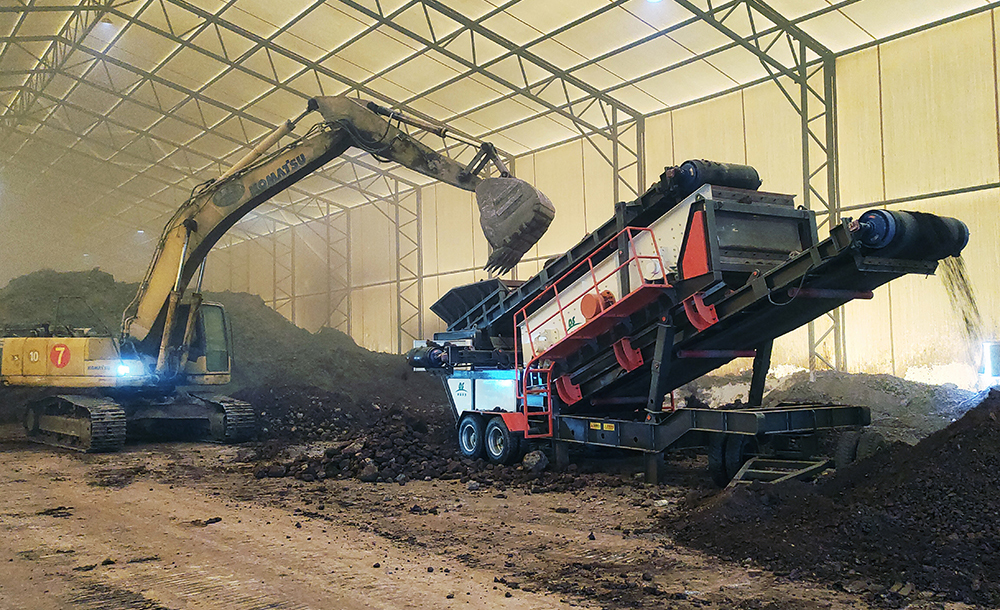
Contaminated sites rarely contain uniform material. Construction debris, rock fragments, vegetation, and other physical contaminants must be removed before soil enters treatment systems. A mobile screening plant addresses this need by classifying incoming material into size fractions using vibrating screen decks.
Large debris and oversized particles that could damage downstream equipment are separated and directed to appropriate disposal or recycling streams. The screened soil passing through the decks is homogenized to a consistent particle size, improving the efficiency and predictability of subsequent treatment processes.
Technical Capabilities of Modern Screening Units
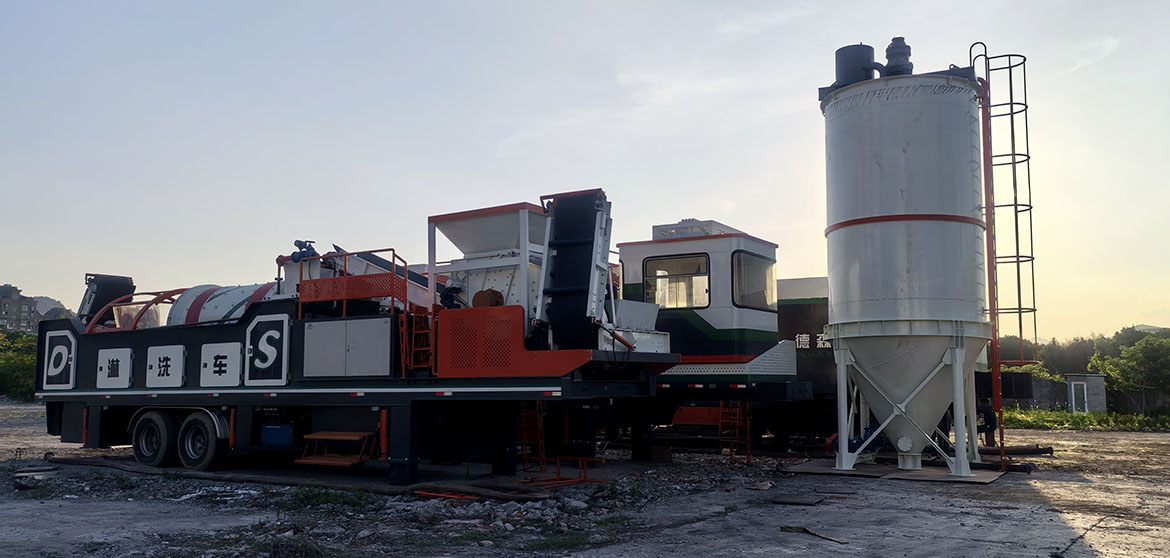
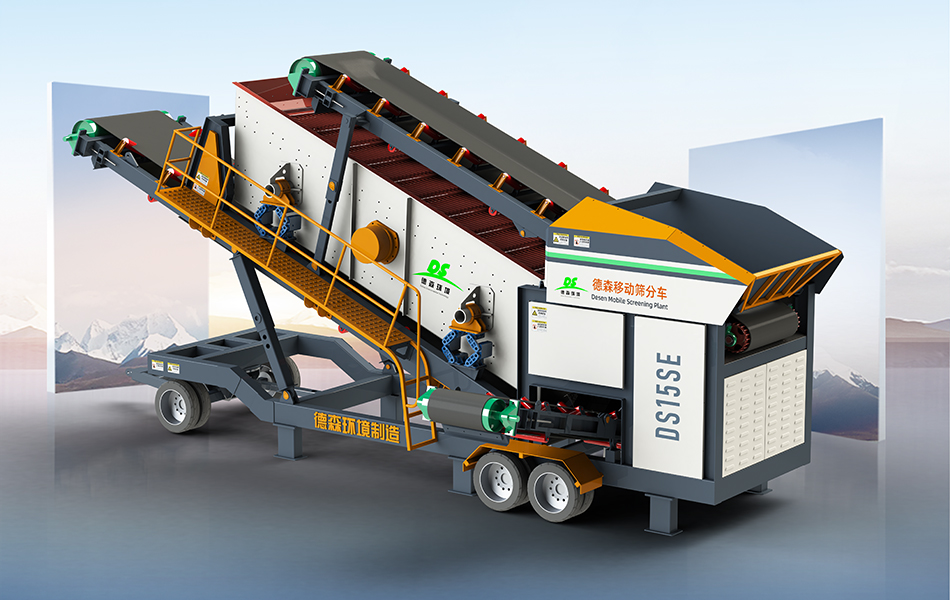
Contemporary mobile screening plants, typically configured as wheel-mounted two-deck heavy-duty units, offer processing capacities from 60 to over 200 tonnes per hour depending on material characteristics. Screening apertures can be customized to project requirements, commonly ranging from 20mm to over 60mm for soil remediation applications.
Key technical features include high screening efficiency, with units achieving over 90% separation accuracy under normal operating conditions. The wheel-mounted configuration enables rapid relocation between work areas without requiring crane assistance for setup, and units can be towed by standard tractor units for transport between sites.
Applications Across Remediation Scenarios
Mobile screening plants contribute to multiple stages of the remediation workflow:
- Pretreatment for soil washing: Screening removes oversize material before soil enters washing equipment, protecting pumps, screens, and other sensitive components from damage or blockage.
- Biological remediation support: In biopile and landfarming operations, screened and homogenized soil ensures uniform distribution of amendments and consistent treatment conditions across the treatment area.
- Landfill mining and resource recovery: At legacy landfill sites undergoing remediation, screening separates recoverable materials such as aggregates and metals from soil requiring treatment, reducing disposal volumes and recovering value.
- Construction material recycling: Treated soil meeting quality standards can be screened for use as fill material or construction aggregate, supporting sustainable remediation objectives.
Operational Considerations
Site logistics benefit from the mobility of modern screening equipment. Units can be positioned close to excavation areas to minimize haul distances, and repositioned as excavation progresses across large sites. The relatively compact transport dimensions allow access to sites with space constraints that would preclude larger fixed installations.
Power requirements are moderate, with modern diesel or electric drive options available to suit site infrastructure. Operating crews can be trained quickly, and routine maintenance is straightforward, contributing to high equipment availability throughout project duration.
For remediation contractors managing multiple concurrent projects, mobile screening plants represent a versatile asset that can be deployed across various site conditions and material types, providing consistent pretreatment capacity wherever it is needed.