How to Remediate Oil Contaminated Soil: Step-by-Step Guide and Equipment Costs
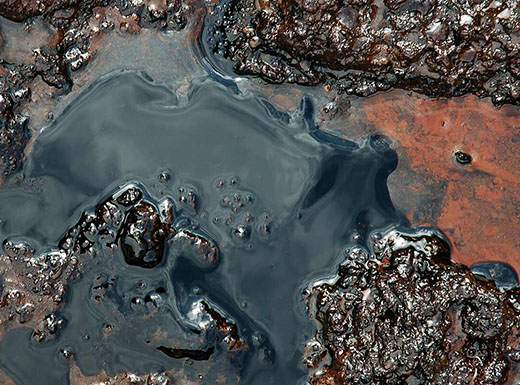
Oil-contaminated soil is found at refineries, tank farms, pipelines, oil fields, workshops and former industrial sites. Left untreated, it can contaminate groundwater, damage plant life and create
Oil-contaminated soil is found at refineries, tank farms, pipelines, oil fields, workshops and former industrial sites. Left untreated, it can contaminate groundwater, damage plant life and create long-term liability for the landowner. Remediating the soil is often mandatory before a site can be redeveloped or transferred, but many project owners are unsure where to start. This guide explains how to remediate oil contaminated soil step by step, which technologies are available, and what remediation equipment actually costs.
What Is Oil-Contaminated Soil Remediation?
Oil-contaminated soil remediation is the process of removing or destroying petroleum hydrocarbons in soil so that the material no longer poses a risk to human health or the environment. The goal is normally defined by a remediation target, such as a maximum total petroleum hydrocarbon (TPH) concentration in mg/kg. The most common on-site technologies are soil washing, thermal desorption, bioremediation and soil vapour extraction. For sticky, clay-rich or heavily contaminated soil, washing-based systems are usually the most reliable and cost-effective choice.
Step 1 - Assess the Site and Characterise the Contamination
Before any equipment is selected, the contamination must be characterised. A proper site assessment includes:
- Soil sampling and laboratory analysis to determine TPH concentration, oil type and distribution.
- Particle size analysis, because sand and gravel are easy to wash while clay and silt are difficult to treat.
- Soil moisture content, which affects screening, dosing and dewatering performance.
- Identification of co-contaminants such as heavy metals, salts or chlorinated compounds.
The assessment results define the remediation target, the treatment volume and the process design. Skipping this step is the most common reason remediation projects exceed their budget.
Step 2 - Select the Right Remediation Technology
Technology selection depends on the oil content, soil type, volume and target standard.
- Soil washing - physically scrubs and separates hydrocarbons from soil particles using water, surfactant and mechanical energy. Best for sand and gravel fractions, moderate to high volumes, and oil contents up to roughly 10 percent.
- Thermal desorption - heats soil to vaporise hydrocarbons. Highly effective but energy-intensive and expensive per tonne, usually reserved for heavily contaminated hotspots.
- Bioremediation - uses micro-organisms to degrade oil over weeks or months. Low cost but slow and not suitable for high concentrations or tight deadlines.
- Landfarming - spreads soil and enhances natural degradation. Simple, but limited to low contamination levels and large land areas.
For most commercial and industrial sites, a mobile or modular soil washing plant offers the best balance of speed, cost and certainty of outcome.
Step 3 - Build the Soil Washing Treatment Train
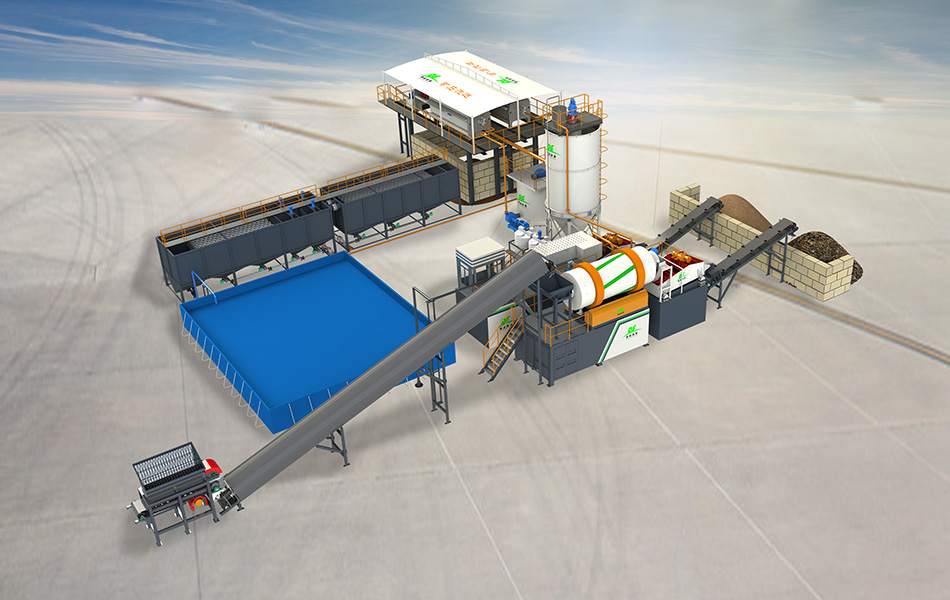
A complete soil washing plant combines several process units. Desen Environmental's systems are delivered as fixed, mobile or modular configurations and typically include the following stages.
Screening and Pre-Treatment
Contaminated soil is fed into a hopper and screened to remove oversize rocks, debris and roots. A mobile screening plant can be paired with the washing unit to prepare the feed and separate coarse material for a separate treatment route.
Attrition Scrubbing and Washing
The screened soil enters an attrition scrubber where high-speed impellers create intense friction between particles. This mechanical action strips oil films and contaminants from the surface of sand and gravel. Surfactants and hot water can be added to improve removal efficiency, especially for weathered oil and clay-bound contamination.
Classification and Separation
The washed slurry is classified using hydrocyclones and high-frequency screens. Clean sand and gravel are recovered as reusable products, while the fine clay and silt fraction, which holds most of the remaining contamination, is routed to dewatering.
Slurry Dewatering
Fine slurry is thickened and dewatered in a filter press or decanter centrifuge. The resulting filter cake is compact and easy to sample, test and dispose of. In many projects the cake can be sent to a licensed landfill at a fraction of the cost of disposing of the original contaminated soil.
Process Water Treatment
All wash water is clarified in an integrated water treatment module and recycled back into the process. This closed-loop design cuts fresh water use by up to 90 percent and eliminates contaminated effluent discharge - a critical advantage on sites with no sewer connection.
How Much Does Soil Remediation Equipment Cost?
Equipment cost depends mainly on throughput capacity and configuration. As a general indication:
- Mobile or modular soil washing plants in the 30-100 tonnes per hour range are the most common choice for contaminated site projects and typically represent the lowest capital entry point for a complete washing line.
- Larger systems up to 300-500 tonnes per hour are available for major remediation programmes and centralised treatment hubs, with higher capital cost but lower cost per tonne of treated soil.
- Thermal desorption units are significantly more expensive per tonne to purchase and operate, so they are normally used only for high-concentration fractions separated out by the washing plant.
Beyond the equipment itself, the total project cost includes site preparation, power supply, water supply, consumables such as surfactants and flocculants, labour, fuel, laboratory testing and final disposal of the filter cake. Most reputable suppliers will provide a budget estimate after reviewing the site assessment data and a small representative soil sample.
Factors That Drive the Total Cost
- Throughput requirement - the faster the remediation deadline, the larger the plant and the higher the capital cost.
- Clay content - clay-rich soil produces more filter cake and requires more dewatering capacity.
- Oil concentration - high oil content may require thermal washing or extra scrubbing stages.
- Remediation target - a stringent TPH target lengthens the treatment train and raises operating cost.
- Mobilisation and logistics - mobile equipment reduces transport cost compared with trucking soil off-site, especially in remote locations.
Choosing a Reliable Equipment Partner
When selecting a supplier, look for demonstrated experience on oil-contaminated sites, references from projects with published results, and a willingness to run pilot tests on your material before purchase. Desen Environmental, for example, has completed oil-contaminated soil washing projects in China and the Middle East, including a 100,000-tonne hydrocarbon remediation project in Abu Dhabi processed at 100 tonnes per hour with a mobile soil washing system.
Conclusion
Remediating oil contaminated soil is a structured process: characterise the site, choose the technology, build the right treatment train and verify the results. For most sites, a mobile or modular soil washing plant with screening, attrition scrubbing, classification, dewatering and water recycling delivers the fastest and most economical path to compliance. Start with a professional site assessment and a pilot test, and the equipment selection becomes a straightforward engineering decision.
Step-by-step guide on how to remediate oil contaminated soil: site assessment, soil washing technology, treatment train design, equipment costs and key cost drivers. how to remediate oil contaminated soil, oil contaminated soil remediation, soil remediation equipment cost, soil washing plant, contaminated soil treatment