Combined Soil Washing and Bioremediation for Petroleum-Contaminated Soil: A Two-Stage Approach That Works
Petroleum hydrocarbon contamination is the dominant soil pollution problem in the oil-producing markets of the Middle East and in refineries, tank farms and pipeline corridors around the world. San
Petroleum hydrocarbon contamination is the dominant soil pollution problem in the oil-producing markets of the Middle East and in refineries, tank farms and pipeline corridors around the world. Sand-based soils contaminated with diesel range organics (C10-C40), gasoline range compounds and polycyclic aromatic hydrocarbons present a particular challenge: the contamination is often spread over very large volumes while remediation deadlines are short. One technology alone rarely delivers the best result. Increasingly, remediation contractors combine physical soil washing with biological polishing, a two-stage strategy that is fast, cost-effective and proven on projects exceeding hundreds of thousands of cubic meters. This article explains how combined soil washing and bioremediation works and where it has been applied.
Why a Single Technology Often Falls Short
Soil washing is excellent at removing and concentrating the bulk of petroleum hydrocarbons, especially from sandy soils where contamination attaches to fine particles. But for residual, slow-release fractions that are strongly adsorbed inside soil pores, washing alone may not meet the strictest endpoint criteria without excessive water and chemical use.
Bioremediation, on the other hand, is gentle and cost-effective at low concentrations, but it is slow. Treating heavily contaminated soil biologically can take years, and microbial activity can be inhibited by toxic concentrations, high salinity or a lack of nutrients. For large sites with tight programs, bioremediation alone is rarely the answer.
The practical solution is a combined train: use soil washing to quickly remove the majority of hydrocarbons and reduce soil volume, then apply bioremediation to polish the residual fraction to the compliance target.
How the Combined Strategy Works
Stage 1: Soil Washing for Mass Reduction and Concentration
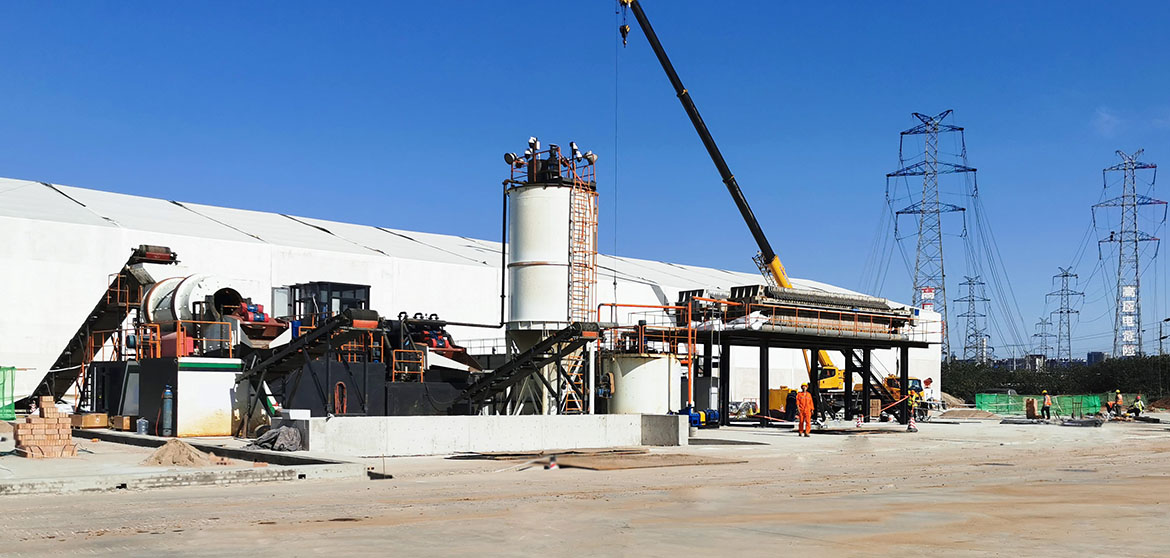
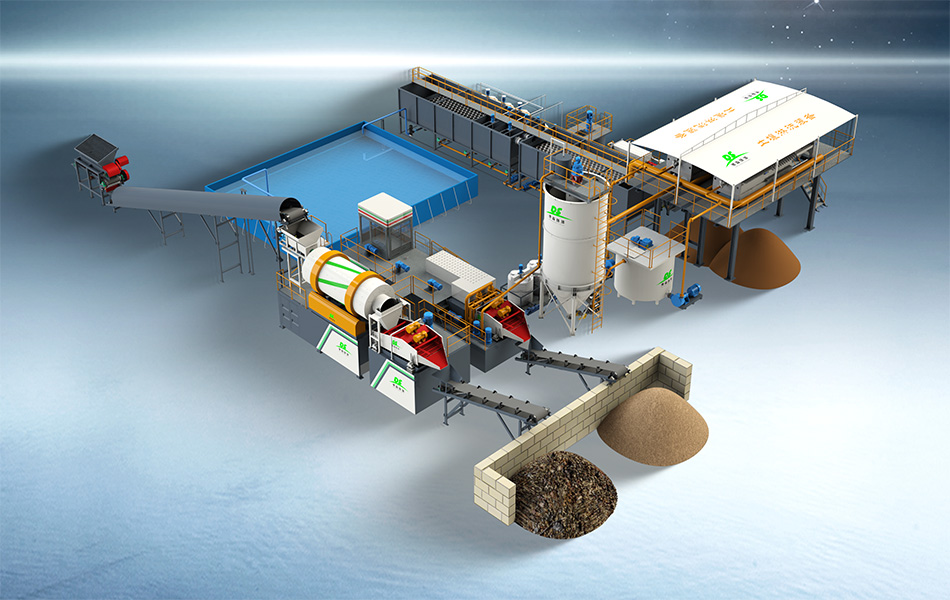
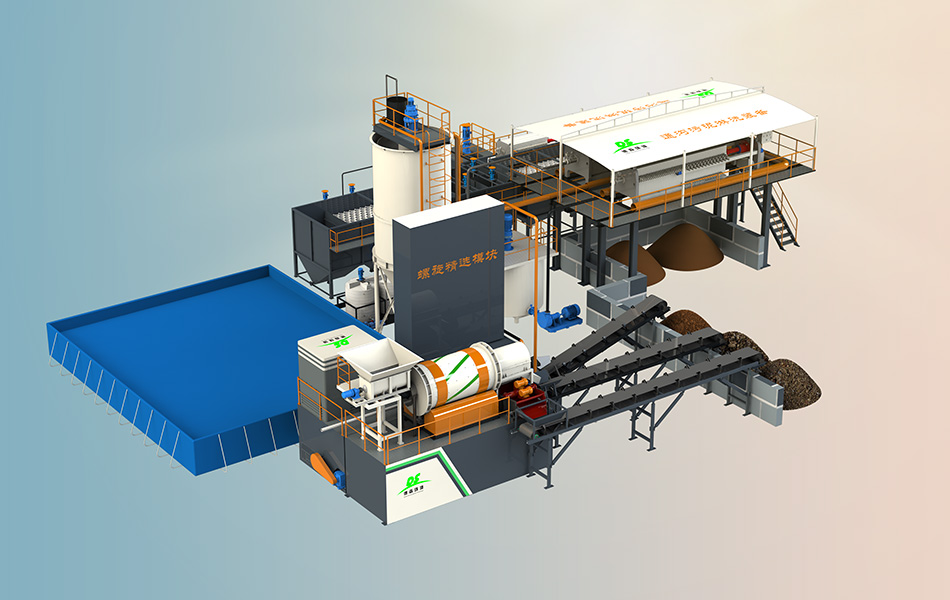
Ex-situ washing begins with prescreening to reject oversize material and debris. The soil is then scrubbed in a rotary attrition unit, where particle-to-particle friction detaches oil-coated fines from clean sand. In the soaking module, water and, where needed, a chemical or biological solvent promote the transfer of hydrocarbons from the solid phase into the slurry. Multistage classification and refining concentrate the contaminated fines, while the bulk of the sand is recovered clean. The concentrated fines move to a filter press for dewatering, and process water is treated and recycled, with recycling rates above 90% on modular lines.
The result of stage one is a dramatic reduction in the volume that must be managed biologically, often returning the majority of the site's contaminated soil to a clean, reusable state within weeks rather than years.
Stage 2: Bioremediation for the Residual Fraction
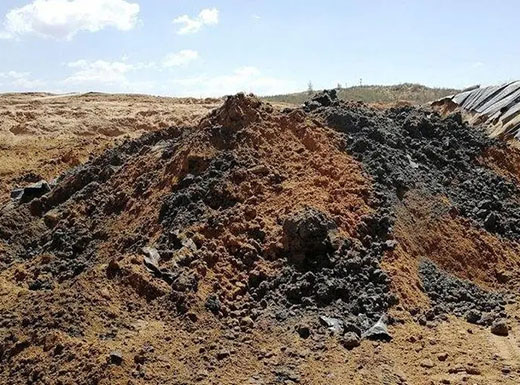
The smaller, concentrated residue is then placed in engineered biopiles or land treatment cells where conditions are controlled for biological degradation. Moisture content, aeration, nutrient balance and microbial supplementation are optimized. Because the washing stage has already removed the high-concentration load, the biological stage operates on a manageable contamination level where degradation proceeds at a predictable rate. In sandy soils, the good porosity left after washing supports the air and water movement that keeps the microbial community active.
Field Track Record
Case Reference: Ningxia, China
A large petroleum hydrocarbon remediation project in Ningxia, China, treated sandy soil contaminated with C6-C9 and C10-C40 hydrocarbons, benzene, ethylbenzene, benzo(a)pyrene and chloroform. The project involved approximately 180,000 cubic meters of contaminated soil in total. A mobile washing and screening train operating at up to 30 t/h was combined with biological heap treatment, allowing the site to be processed through a sequence of physical separation followed by biological polishing.
Case Reference: Middle East
In the Middle East, a petroleum-contaminated soil washing project handled roughly 300,000 cubic meters of sandy, oil-impacted soil, including landing zone contamination, with total petroleum hydrocarbon concentrations typically between 5% and 8%. The mobile washing plant operated at 25 to 30 t/h, and the treated output was combined with bioremediation, demonstrating that the combined route can be scaled to very large volumes in desert conditions.
The Equipment Train Behind the Process
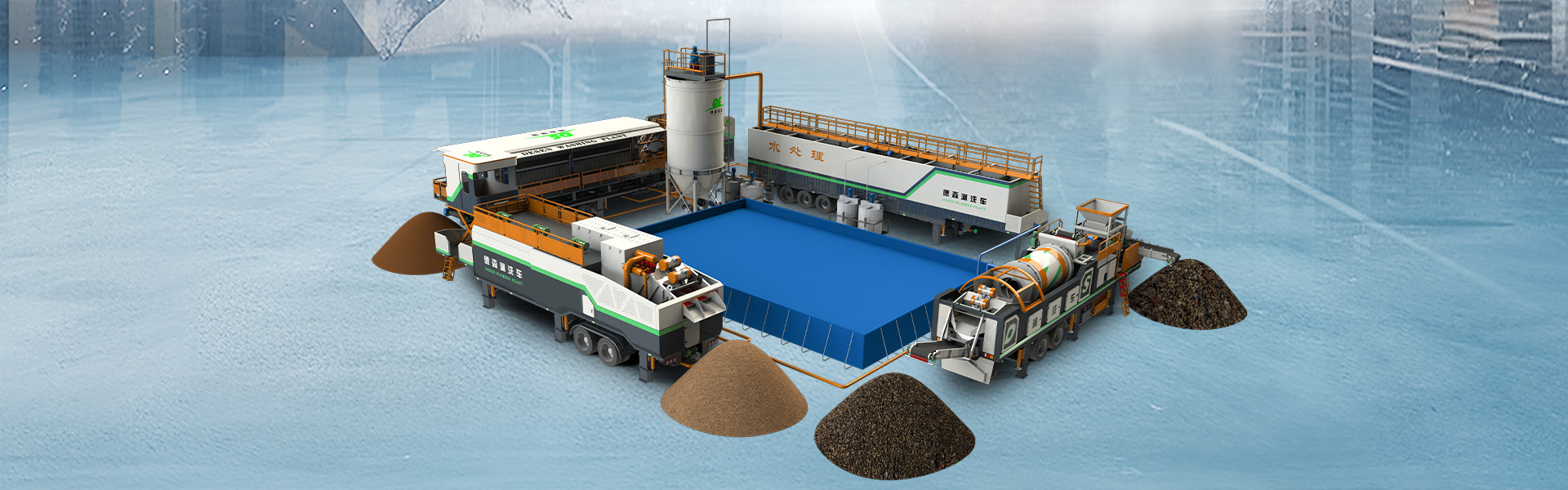
Delivering a combined washing and bioremediation program requires a matched equipment train. Desen's oil contaminated soil washing and remediation solution integrates the following:
- Mobile screening plants to prescreen feed and, where required, support soil pre-treatment before biological processing.
- Mobile high-efficiency scrubbing plants to break aggregates and detach oil-bearing fines from clean sand.
- Mobile multistage classifying plants with DCS distributed control and remote monitoring to separate fractions by particle size and lower solids loading for dewatering.
- Mobile solid-liquid separation plants and filter presses to dewater slurries into low-moisture cakes.
- Mobile water treatment plants to recycle process water, minimize freshwater demand and ensure discharge compliance.
- Fixed, modular and skid-mounted configurations from 15 to 100 t/h for projects of different scale and duration.
Choosing mobile units gives owners the flexibility to move the treatment train between contaminated lots, a decisive advantage for large sites being remediated in phases.
When to Choose Combined Soil Washing and Bioremediation
- Large volumes of sandy, oil-contaminated soil where mass reduction must happen quickly.
- Tight project programs where washing accelerates the critical path and biology finishes the job.
- Complex hydrocarbon mixtures including heavy fractions that biodegrade slowly at high concentration but respond well at low concentration.
- Water-scarce sites where the recycling capabilities of a modern washing plant reduce the environmental footprint of the remediation itself.
- Resource-conscious projects that aim to return 70 to 90% of the excavated soil to beneficial reuse instead of disposal.
Conclusion
For petroleum-contaminated soil, combined soil washing and bioremediation is a proven two-stage strategy: physical washing removes the bulk of the hydrocarbons and reduces the volume that biology must handle, while bioremediation polishes the residue to the compliance standard. The approach has been validated at scale, from an 180,000 cubic meter project in Ningxia to sand-based oil-contaminated projects of around 300,000 cubic meters in the Middle East. When large volumes, sandy soil and tight deadlines are involved, a combined train gives owners the fastest defensible path to a clean site.
Desen Environmental Technology supplies the washing, classification, solid-liquid separation and water treatment equipment that makes combined remediation programs practical. Contact the company for a configuration based on your soil data and target standards.