Comprehensive guide to oily soil hot washing treatment technology and equipment selection. Learn how Desen Environment's thermal washing systems achieve 95%+ TPH removal for petroleum-contaminated sites.
## Introduction
Oily soil contamination is a widespread environmental challenge across petroleum refineries, drilling sites, fuel storage facilities, and petrochemical plants. Total petroleum hydrocarbon (TPH) concentrations in affected soils often exceed regulatory limits by orders of magnitude, posing risks to groundwater and ecosystems. **Oily soil hot washing treatment technology** has emerged as one of the most effective remediation methods, combining thermal energy with mechanical agitation to strip oil films from soil particles. Desen Environment (郑州德森环境) has developed specialized hot washing equipment that achieves TPH removal rates exceeding 95%, enabling contaminated sites to meet stringent environmental standards. This guide explores the technical principles, equipment selection criteria, and field application of hot washing systems for oily soil remediation.
## Technical Principles of Oily Soil Hot Washing
Hot washing technology leverages the temperature-dependent solubility and viscosity reduction of petroleum hydrocarbons. The process involves heating water or washing solutions to 60-90°C and combining them with intensive mechanical agitation in a multi-stage washing system. Key mechanisms include:
- **Thermal Desorption Enhancement**: Elevated temperatures reduce oil viscosity, enabling hydrocarbons to detach from soil particle surfaces more readily
- **Surfactant-Assisted Dissolution**: Biodegradable surfactants are added to the hot wash water, forming micelles that encapsulate oil droplets and prevent re-adhesion
- **Multi-Stage Counter-Current Washing**: Soil passes through sequential washing chambers with progressively cleaner hot water, maximizing contaminant removal efficiency
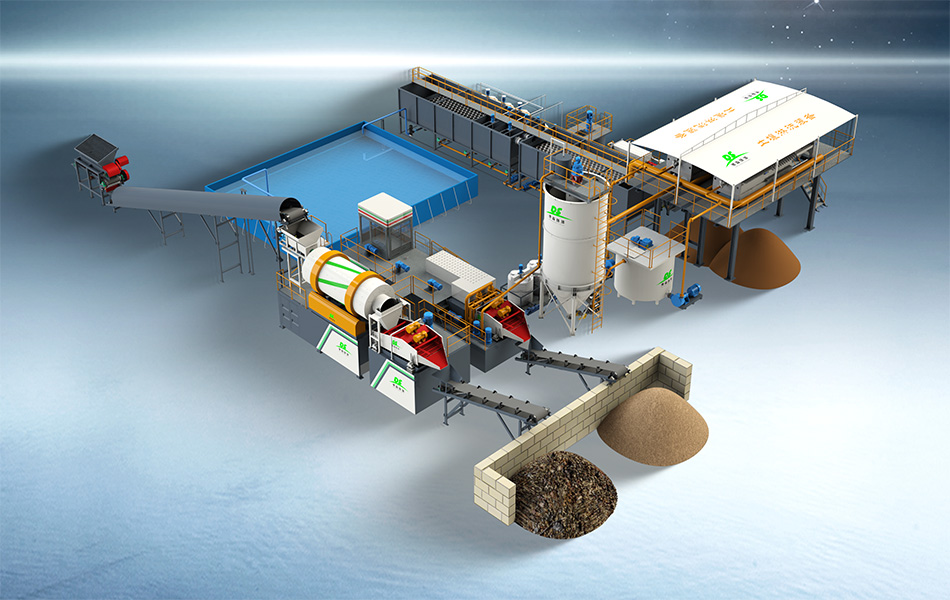
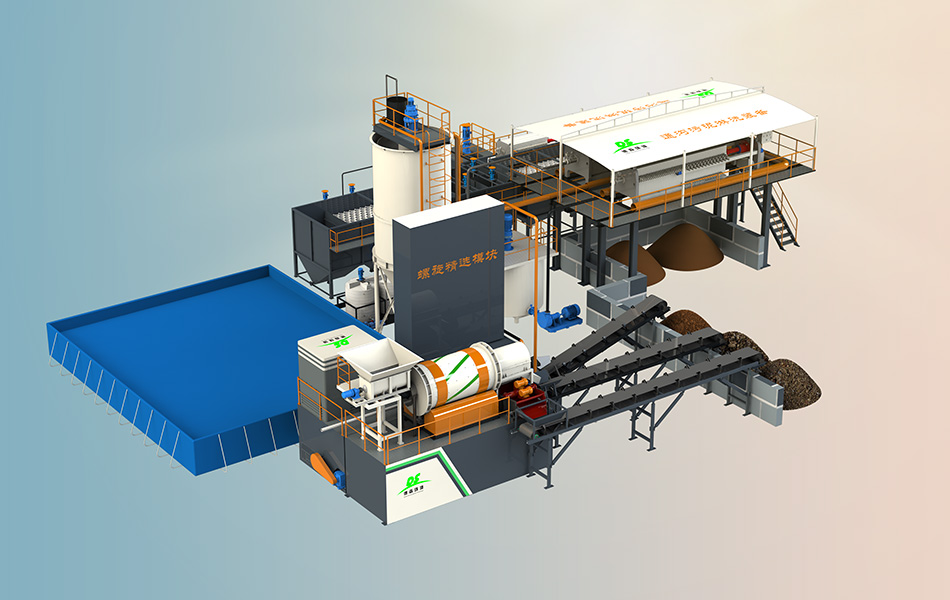
- **Solid-Liquid Separation**: Decanter centrifuges and dissolved air flotation (DAF) units separate cleaned soil from oily wash water
- **Oil Recovery and Water Recycling**: Free oil is skimmed and recovered; wash water undergoes treatment and recirculates back into the system at up to 85% recovery rate
The hot washing process is particularly effective for soils contaminated with heavy crude oil, lubricating oils, and aged petroleum residues where ambient-temperature washing proves insufficient.
## Equipment Selection: Key Factors to Consider
Selecting the appropriate hot washing equipment requires careful evaluation of site-specific conditions. Desen Environment engineers recommend assessing the following parameters:
### 1. Contaminant Profile and Concentration
Different petroleum fractions respond differently to thermal treatment. Lighter hydrocarbons (gasoline-range) may require lower washing temperatures (50-60°C), while heavy oils and bitumen demand 80-90°C operation. TPH concentrations above 10,000 mg/kg typically necessitate multi-stage hot washing configurations.
### 2. Soil Characteristics
Clay-rich soils with high fine-particle content (<0.075mm) retain oil more tenaciously and require enhanced agitation and longer residence times. Sandy soils generally achieve higher removal efficiency at lower energy input. Soil particle size distribution directly influences washing chamber design and screening requirements.
### 3. Processing Capacity Requirements
Desen Environment offers hot washing systems with capacities ranging from 5 to 200 m³/hour. Modular skid-mounted units enable capacity expansion through parallel deployment. For large-scale remediation projects exceeding 50,000 m³ of contaminated soil, fixed or semi-mobile configurations with integrated hot water generation systems are recommended.
### 4. Energy Source and Operating Costs
Hot washing is energy-intensive compared to ambient washing. Available energy sources (natural gas, diesel, electric, steam) significantly impact operating costs. Desen's equipment incorporates heat recovery exchangers that recapture 60-70% of thermal energy from effluent streams, substantially reducing fuel consumption.
### 5. Regulatory Discharge Standards
effluent discharge requirements vary by jurisdiction. Systems designed for zero-liquid-discharge (ZLD) operation incorporate advanced wastewater treatment modules, while sites with permitted discharge may use simplified effluent treatment.
## Technical Advantages of Desen Hot Washing Equipment
Desen Environment's oily soil hot washing systems offer distinct competitive advantages:
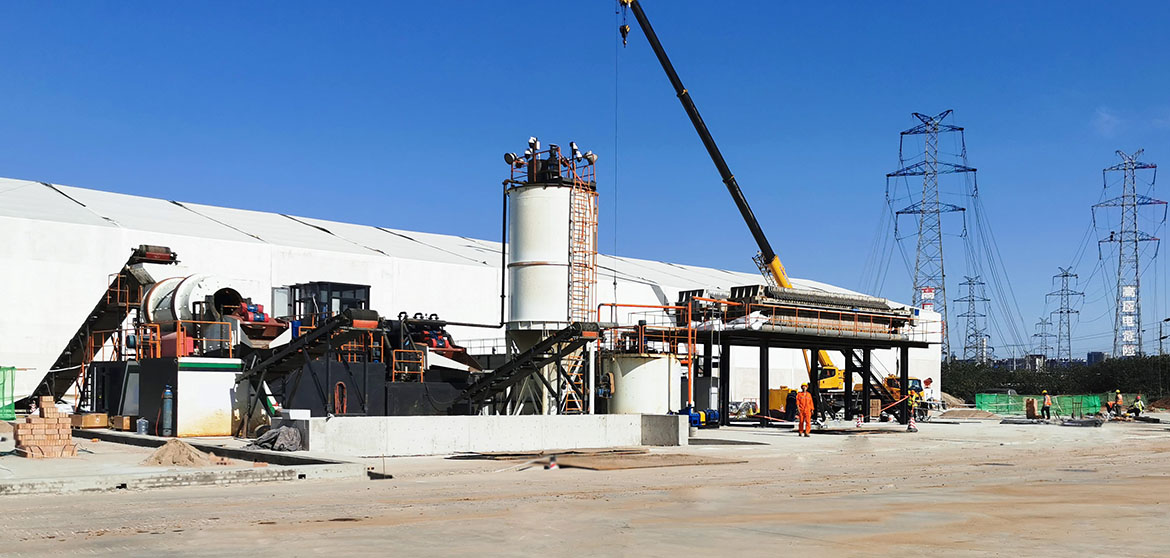
- **Integrated Modular Design**: Complete system—including hot water generator, washing chambers, centrifuges, and oil-water separators—mounted on skid frames for rapid deployment
- **Precision Temperature Control**: PLC-controlled heating systems maintain optimal washing temperatures within ±2°C, ensuring consistent treatment performance
- **High TPH Removal Efficiency**: Field-proven removal rates of 90-98% for petroleum hydrocarbons across various soil types
- **Closed-Loop Water Recycling**: Integrated water treatment achieves 80-85% recycle rate, minimizing freshwater consumption and effluent volume
- **Automated Operation**: Touch-screen HMI with recipe management for different contaminant profiles; remote monitoring via IoT connectivity
- **Compliance with International Standards**: Equipment meets Chinese GB standards and international guidelines for soil remediation
## Field Application Case Study
**Project**: A decommissioned oil storage depot in Shandong Province required remediation of 35,000 m³ of oily soil. TPH concentrations ranged from 8,000 to 25,000 mg/kg, with contamination depths reaching 4 meters.
**Solution Deployed**: Desen Environment configured a semi-mobile hot washing plant with two parallel processing lines, each rated at 80 m³/day capacity. The system utilized natural gas-fired boilers for hot water generation at 75°C, combined with Desen's proprietary surfactant formulation.
**Results**:
- TPH reduced to below 500 mg/kg in treated soil (achieving residential land-use standard)
- Oil recovery: approximately 1,200 barrels of recovered oil recycled
- Project completion: 90 days
- Water recycling rate: 82%
- Treated soil reused as backfill material on-site
The project demonstrated that hot washing technology can transform heavily contaminated oil depot sites into reusable land within practical timeframes.
## FAQ
**Q: What TPH removal efficiency can hot washing achieve?**
A: Depending on soil type and contaminant characteristics, Desen's hot washing systems typically achieve 90-98% TPH removal. Clay-rich soils may yield slightly lower efficiency (85-92%) due to oil retention in fine particles.
**Q: Is hot washing suitable for all types of petroleum contamination?**
A: Hot washing is highly effective for crude oil, fuel oil, lubricating oil, and mixed petroleum hydrocarbon contamination. For very light hydrocarbons (BTEX), thermal desorption may be more appropriate. Our engineering team can recommend the optimal technology based on site assessment.
**Q: What is the typical operating cost per cubic meter?**
A: Operating costs range from 80 to 200 RMB per m³ depending on energy prices, contaminant concentration, and target cleanup levels. Heat recovery systems significantly reduce overall energy costs.
**Q: Can hot washing equipment be rented or leased?**
A: Desen Environment offers flexible commercial models including equipment rental, turnkey project contracting, and equipment purchase with technical support. Contact materialwashing.com for detailed proposals.
## Conclusion
Oily soil hot washing treatment technology represents a proven, efficient approach for petroleum-contaminated site remediation. With TPH removal rates exceeding 95%, integrated water recycling, and modular deployment capability, Desen Environment's hot washing systems deliver both technical performance and operational flexibility. Whether addressing refinery sites, oil depots, or drilling areas, the combination of thermal energy, mechanical agitation, and chemical enhancement provides a comprehensive solution for complex oily soil contamination challenges. Visit materialwashing.com to explore equipment specifications or request a customized remediation proposal from the 郑州德森环境 technical team.