Mercury and Nickel Contaminated Soil Remediation: Methods, Equipment and Real-World Results
Mercury and nickel contaminated soil requires careful treatment. Learn about the sources and risks of Hg and Ni pollution, how the soil washing process removes these metals
Why Mercury and Nickel Contaminate Soil
Mercury and nickel enter soil through a wide range of industrial activities. Mining and ore smelting release both metals as dust and process residues; electroplating and surface treatment workshops discharge nickel into wastewater that accumulates in soil; battery manufacturing, chemical plants and waste disposal sites add to the load. Mercury can also travel long distances through the air and settle into soil far from its original source. Because both elements are non-degradable and can accumulate in the food chain, even moderate concentrations create measurable risk for water resources, ecosystems and human health.
The Risks of Leaving Them in Place
Nickel is a well-recognised contact allergen and is associated with lung and nasal cancer risks when exposure is prolonged. Mercury is a potent neurotoxin; under certain conditions it is converted into methylmercury, which is strongly bioaccumulative. Regulatory frameworks around the world set strict screening and intervention values for both elements, and property developers, industrial operators and environmental authorities are under growing pressure to demonstrate that metal-impacted land has been remediated to an acceptable standard before it is reused. Failure to manage these risks leads to legal liability, reduced land value and long-term environmental damage.
Why Soil Washing Fits Metals Like Mercury and Nickel
Mercury and nickel, like most heavy metals, do not distribute evenly through a soil mass. They bind preferentially to the fine clay and silt fraction, which has a large surface area and carries the reactive charge sites of the soil. The soil washing process exploits exactly this behaviour: it disaggregates the soil, scrubs the particles and separates the metal-rich fines from the cleaner sand and gravel fraction. Once the polluted fines are isolated, they can be managed in a concentrated form while the cleaned material is returned to the site as backfill.
Physical and Chemical Mechanisms Combined
Effective metal removal relies on both physical and chemical action. High-energy scrubbing detaches surface-bound metals from mineral grains, while carefully selected leaching reagents or pH adjustment help dissolve and mobilise the metal into the wash water. The metal-bearing wash liquor is then treated in the water treatment train, where metal hydroxide precipitation and flocculation remove the dissolved metals before the water returns to the process loop. This combined approach is why soil washing can meet stringent cleanup targets for complex metal contamination.
How a Mercury and Nickel Remediation Project Is Delivered
Step 1: Characterise the Soil
Every project starts with detailed site investigation. Particle size distribution, metal speciation and the distribution of contamination across grain sizes determine whether soil washing is technically and economically feasible. Contamination concentrated in clay lenses behaves very differently from metal spread evenly through sand. Treatability studies on representative samples provide the data needed to design the process train and confirm the expected removal performance.
Step 2: Select the Right Equipment Configuration
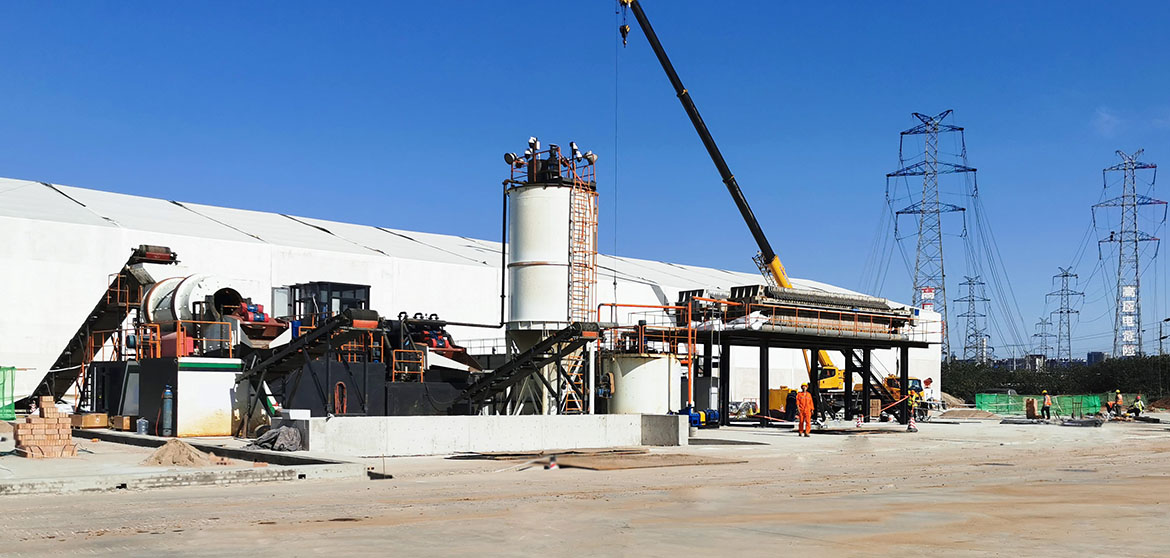
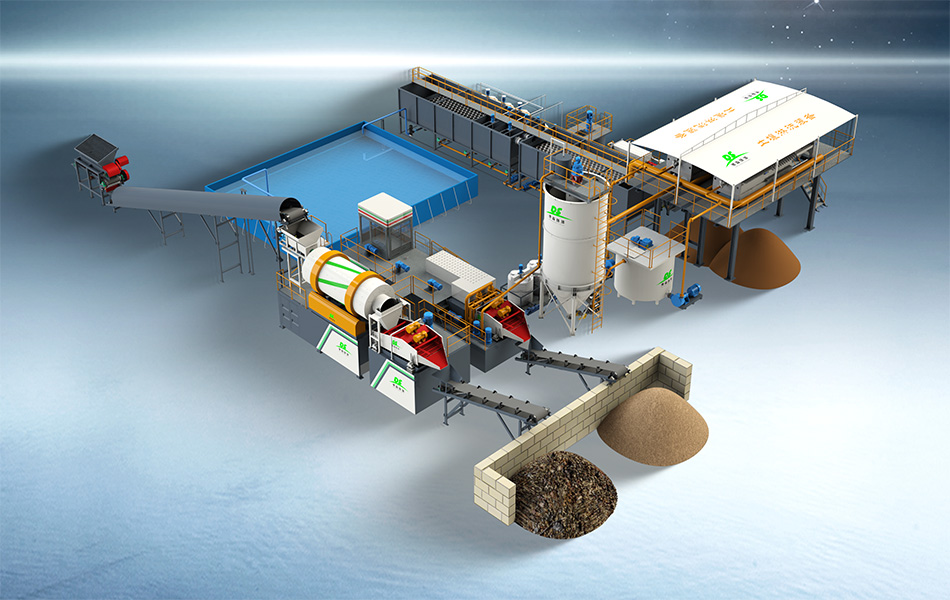
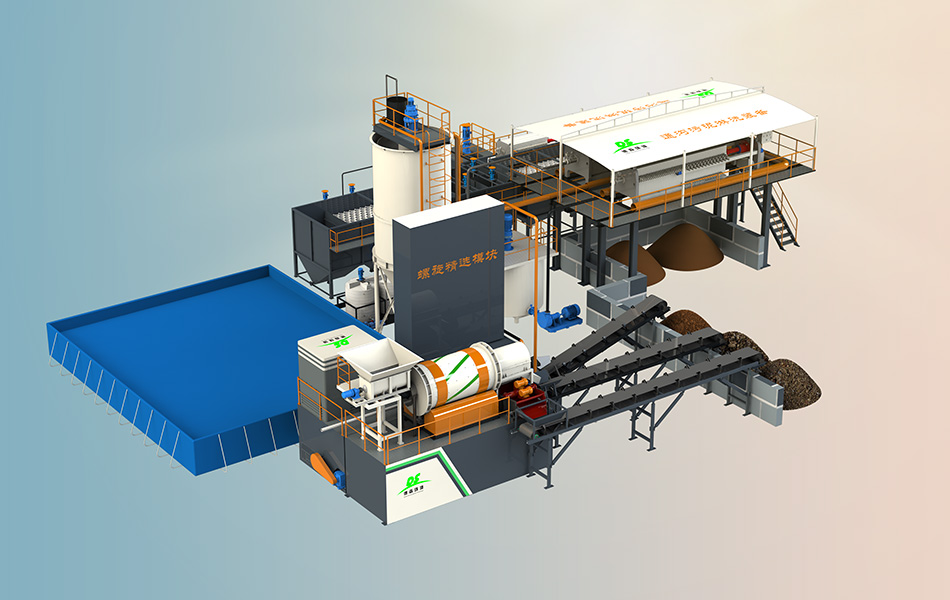
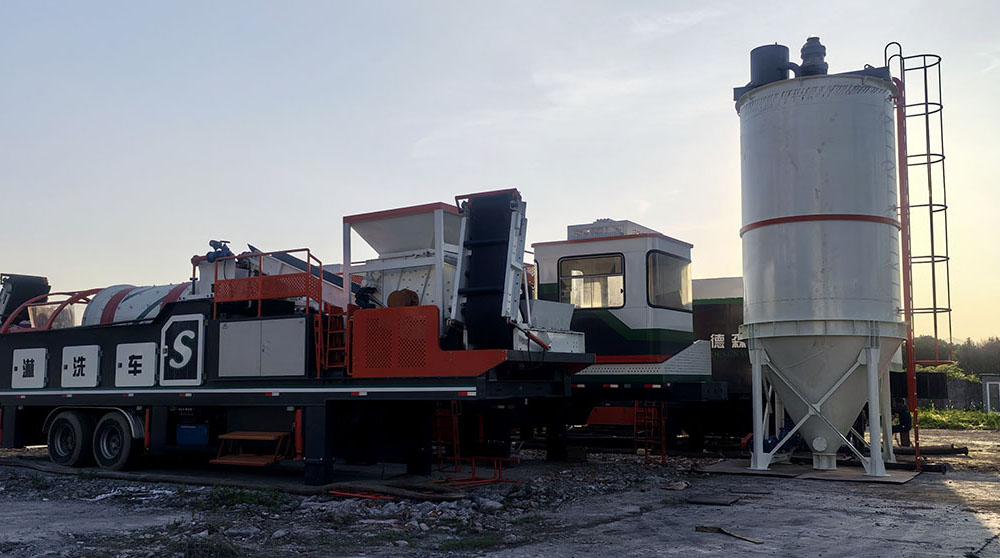
Once the soil is characterised, the process team selects an equipment configuration matched to the project. Fixed washing and remediation plants suit large, long-term operations with a stable feed rate. Mobile soil washing equipment is the preferred choice for scattered hotspots, urban sites and projects that require rapid deployment or must move between several locations. Common system modules include:
Pre-screening units that remove oversize material and debris.
High-efficiency drum scrubbers that disaggregate the soil and detach metals.
Hydrocyclones and multistage classifiers that separate metal-rich fines from clean sand.
Deep-cone thickeners and plate-and-frame filter presses that dewater the sludge into a compact filter cake.
Mobile water treatment modules that precipitate and flocculate dissolved metals and recycle the water.
Throughputs for mobile units typically range from 15 to 30 tonnes per hour, while fixed plants can be engineered well beyond 100 tonnes per hour for national-scale programmes.
Step 3: Operate, Monitor and Verify
During operation the plant is continuously monitored, with regular sampling of the treated sand, the filter cake and the process water. Modern systems use distributed control and remote monitoring so that operators can supervise the entire process train from a central control station. Verification sampling against the remediation targets agreed in the site-specific risk assessment provides the documented evidence that authorities and stakeholders require before land is released for reuse.
Real-World Results with Heavy Metals Including Mercury and Nickel
Soil washing has delivered verified results on metal-contaminated sites across a range of project types. In Guangzhou, China, a 60 tonnes-per-hour treatment line handled soil contaminated with arsenic, mercury, nickel and lead compounds, demonstrating that a single mobile process train can address several metals at once. A North China project applied a 40 tonnes-per-hour washing plant to lead- and arsenic-impacted soil, while a mobile scrubbing unit in Wenzhou treated lead and arsenic at 15 tonnes per hour on a compact urban footprint. These projects underline a central point: mercury and nickel rarely appear alone, and an effective solution must handle the full metal cocktail rather than a single element.
Managing the Concentrated Fraction Responsibly
Even the most efficient soil washing plant produces a small volume of metal-rich residue. This concentrated filter cake is typically several times smaller than the original soil volume, which significantly reduces disposal costs and, in appropriate cases, creates an opportunity for metal recovery. The key responsibility of the project team is to ensure that this concentrate is tracked, tested and delivered to a permitted treatment or recovery facility, closing the loop in a fully documented chain of custody.
Conclusion
Mercury and nickel contamination presents serious but tractable challenges for site remediation. Because these metals concentrate in the fine soil fraction, the soil washing process is exceptionally well suited to treating them. Combined physical scrubbing and chemical mobilisation, precise size classification and closed-loop water treatment allow contractors to remove metals from large soil volumes, reuse the clean sand and manage only a small concentrated residue. With proven references at throughputs from 15 to more than 100 tonnes per hour, soil washing has become a mainstream option for bringing metal-impacted land back into safe use.