Clean Soil Reuse after Washing: How Remediated Soil Returns to the Circular Economy
Discover how soil washing turns contaminated soil into clean soil that can be reused as backfill, foundation fill or landscaping material
Soil is the most essential and the most under-appreciated construction material on earth. When a site is contaminated, the conventional response has long been to excavate the soil, truck it to a licensed landfill and import fresh fill. That approach solves a regulatory problem but creates another one: it consumes landfill capacity, burns fuel on transport, and abandons a resource that could have been treated and reused. Soil washing offers a different path. It physically and chemically removes contaminants from the soil matrix, allowing the cleaned fractions to be returned to use as backfill, sub-grade material or landscaping soil.
This article explains how soil washing makes clean soil reuse possible, what steps are involved, how quality is verified, and why treated soil is increasingly recognised as a valuable asset in the circular economy of remediation.
The Principle: Soil Washing as a Resource Recovery Technology
Soil washing is an ex-situ treatment technology in which contaminated soil is mixed with water and, where necessary, chemical reagents, so that contaminants move from the solid particles into the liquid phase. The clean granular fractions - sands and gravels - are then separated, dewatered and, after confirmation that they meet the relevant criteria, reused on site. The contaminants are concentrated into a small volume of fines, sludge or process water, which is treated or disposed of, dramatically reducing the amount of material that must be sent off site.
Seen this way, soil washing is not simply a disposal technology. It is a resource recovery operation that returns clean soil to productive use while shrinking the residual waste stream to a minimum.
How the Washing Process Produces Reusable Clean Soil
1. Pre-Screening and Feed Preparation
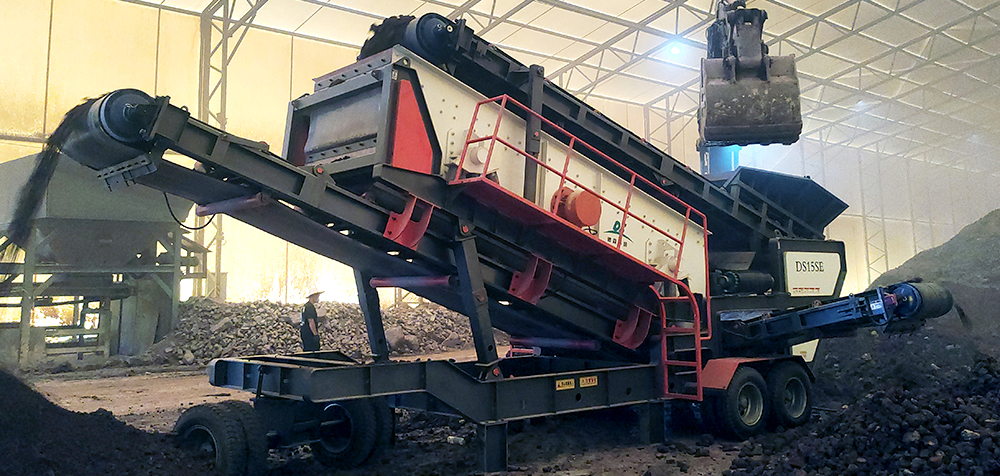
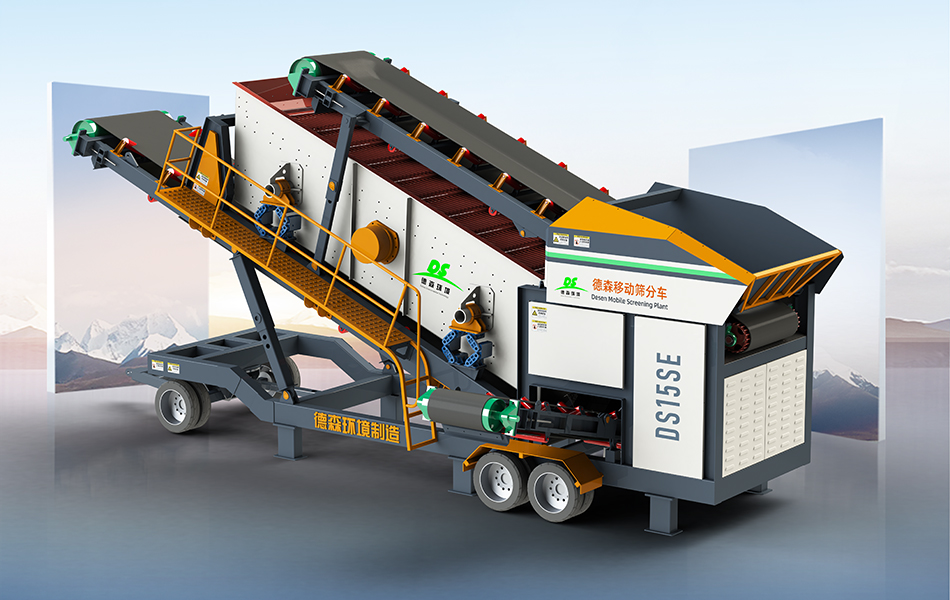
Contaminated soil is first screened to remove oversized material - demolition rubble, roots, scrap and stones above the working size of the plant. Screening improves the consistency of the feed and prevents blockages downstream. The undersize soil is then fed at a controlled rate into the washing circuit.
2. Attrition Scrubbing
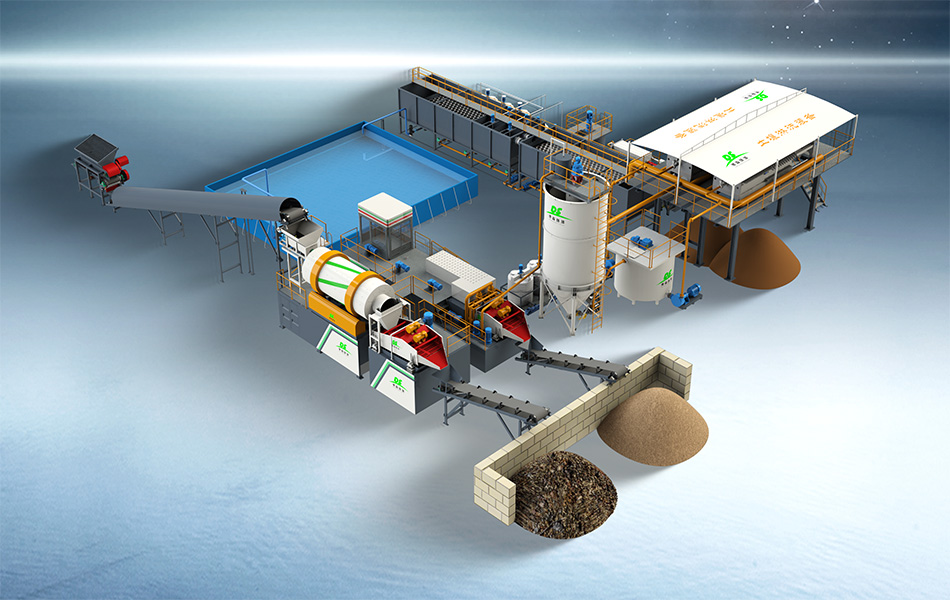
In the scrubber, soil is mixed with water and, if required, washing reagents. Inside the drum, particles are lifted and tumbled, so that soil particles grind against one another. This self-attrition action disaggregates clods, releases cemented fines and exposes contaminant-bearing surfaces to the wash water, which is essential for effective contaminant transfer.
3. Classification and Separation of Clean Fractions
The slurry leaving the scrubber is separated according to particle size and density. A hydro-screen removes coarse gravel above roughly 2 mm, while the finer slurry enters classification modules. Hydrocyclones and spiral classifiers separate the sand fraction, typically between 0.075 mm and 2 mm, from the silt and clay. The coarse aggregate and the sand are each dewatered and stockpiled as clean soil products.
4. Concentration and Treatment of the Contaminant Stream
The fine slurry carrying the dissolved or suspended contaminants is thickened in a deep cone thickener, where flocculant accelerates settling, and then dewatered by a filter press. The pressed cake contains the concentrated contaminants and finest material, and it is this small, well-defined stream, not the whole soil volume, that requires further treatment or disposal. Process water is treated and recycled to the washing circuit, typically achieving more than 90 percent water reuse.
Quality Verification: Making Reuse Defensible
For clean soil to be reused legally and safely, its quality must be demonstrated. After washing, samples of the treated sand and aggregate are analysed against the target criteria, which may be set by the local regulator, the project specification, or the intended end use. Where contaminants remain above the threshold, the material can be re-washed or routed to complementary treatment, for example biological treatment for residual hydrocarbons.
Modern plants support this process by integrating monitoring and control. DCS distributed control systems and cloud-based monitoring record the treatment parameters, giving project managers and regulators confidence that the process has been run consistently and that the outputs have been produced under controlled, documented conditions.
End Uses of Treated, Reused Soil
Depending on the quality achieved, remediated soil can be returned to the site or supplied to the market for a range of uses:
Structural backfill around foundations and services, reducing the volume of imported fill.
Sub-base and capping layers for roads, platforms and hard-standing areas.
Landscaping and topsoil substitute where organic matter is blended in after treatment.
Drainage aggregate and pipe bedding if the washed gravel meets the required grading.
Engineering fill for site re-profiling and land raising.
Economic Benefits of Reusing Clean Soil On Site
The financial case for on-site soil washing and reuse is compelling. Conventional remediation often pays three times: once to excavate and transport the contaminated soil, once to accept it at landfill, and once to buy and import replacement fill. On-site treatment can eliminate most of these costs.
Avoided transport costs for hazardous and contaminated soil hauls.
Avoided landfill gate fees, which rise steadily with tightening regulation.
Reduced or eliminated purchase and import of virgin fill material.
Shorter programmes, since clean backfill is available on site rather than arriving on the critical path.
Lower project carbon footprint, which matters for clients with sustainability commitments.
The Role of Mobile and Modular Plants
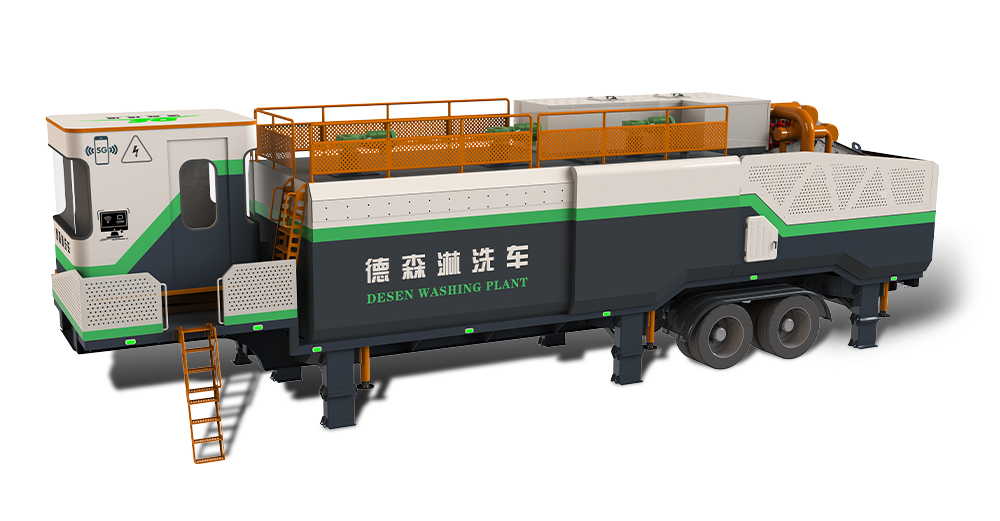
Because clean soil reuse is most valuable when treatment happens close to where the soil is dug and filled, mobile and modular soil washing plants are often the right choice. A containerised or skid-mounted system can be deployed to a brownfield site, commissioned within days and moved on to the next project when the work is complete. For fixed sites with long-term volumes, a modular plant delivers the same benefits at larger scale. Either way, the equipment can be configured to the soil type and contaminant of the project, whether that is heavy metals, petroleum hydrocarbons or fine clay-rich material.
Clean Soil Reuse in Practice
Across the projects delivered by Desen Environmental, the pattern is consistent: washing recovers the sand and gravel fractions, water is recycled, and only a small contaminant concentrate leaves the site. From heavy metal sites in China to oil-contaminated sandy soils in the Middle East, the same principle applies - the mineral part of the soil is recovered, and the small residual stream is handled separately.
Conclusion
Treating contaminated soil should not mean throwing it away. Soil washing transforms a liability into a resource by recovering clean sand and aggregate that can be reused as backfill and fill material, while concentrating contaminants into a small, manageable stream. The outcome is lower cost, lower carbon and a genuinely circular approach to land remediation.
If you are planning a remediation project and want to evaluate the reuse potential of your site soil, contact the Desen Environmental team to discuss process design and equipment options.