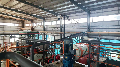
Catch Basin Sediment Washing: Turn Sewer Silt into Reusable Sand
Wash catch basin sediment on site, recover clean sand for reuse. Desen Environment mobile lines cut landfill volume and turn sewer silt into product.
Catch Basin Sediment Washing: Turn Sewer Silt into Reusable Sand

Every spring, crews across the city open the same manholes, pull the same loads of wet black sludge, and truck it to the same landfill. Catch basin sediment, the sand, grit and organic muck that settles inside drainage channels and storm inlets, is one of those quiet waste streams nobody budgets for until the bill arrives. The material is heavy, roughly seventy percent water, and full of sand that never belonged in a landfill in the first place. That last point is the opportunity. With the right washing line, sewer silt stops being a disposal problem and turns into a product stream.
The Technical Principle: Washing Beats Simple Dewatering
Most operators treat catch basin sediment like any other sludge: screen out the trash, press the water out, haul the cake away. The flaw in that plan is the sand. Sewer silt is typically 40 to 60 percent fine sand by dry weight, mixed with grit, gravel, leaves and the odd bottle cap. None of that sand needs to go to landfill, and all of it has value once cleaned.
A catch basin sediment washing line follows a different logic. First, a bar screen or drum screen removes debris over a set size. The screened slurry then moves into an attrition scrubber, where the sand grains grind against each other and shed the organic coating and silt that cling to their surfaces. Next, a hydrocyclone bank splits the stream by particle size: clean, heavy sand drops out for dewatering, while light organic fines and silt overflow into a thickening and filter press circuit. Process water is clarified and returned to the front of the line.
The key difference from simple dewatering is mass balance. Washing concentrates the problem. Instead of hauling 100 tonnes of wet sludge, you haul 20 to 30 tonnes of filter cake, and you keep the 50 tonnes of sand on site as a usable product. For a city that cleans a thousand inlets a season, that changes the tender numbers completely.
Technical Advantages: What a Washing Line Actually Buys
- Sand recovery rates of 80 to 90 percent are routine on well-screened feed.
- The recovered sand meets common fill and subgrade specs after rinsing, so it can be reused for road bedding, pipe trench backfill or block making.
- Disposal volume drops by half or more, which cuts both haulage cost and landfill gate fees.
- The closed water loop recycles 90 percent of process water, so the plant does not need a big fresh-water supply.
- A modular, containerised layout lets the plant move from one drainage district to the next as the cleaning programme advances.
None of these advantages show up in a dewatering-only contract. They come from treating the stream as a resource first and a waste second.
Case Study: Desen Environment's Channel Silt Line
Desen Environment recently supplied a mobile washing line to a municipal drainage contractor handling storm inlet and trunk sewer cleanings. The feed averaged 55 percent sand by dry weight, with organic matter content varying sharply between residential and commercial districts. The line processed 25 tonnes per hour: drum screening for debris, attrition scrubbing, hydrocyclone classification and a filter press on the fines side. Recovered sand was rinsed and stockpiled for trench backfill, displacing purchased fill material, and the dewatered cake dropped to about a quarter of the original wet volume. Water reuse held above 90 percent throughout the season.
The lesson from the job was straightforward: the client stopped paying to landfill something they could sell, and the drainage programme paid for part of its own equipment cost.
FAQ
Can the equipment handle debris and rags in the feed?
Yes, provided the upstream screening is sized for the worst case. Desen's lines use heavy-duty drum screens with automatic oversize discharge, so rags, roots and trash are removed before the washing stages.
What quality of sand can be recovered from sewer silt?
After scrubbing and classification, the recovered sand typically sits in the 0.1 to 2 mm range with organic content low enough for general fill, subgrade and block applications. Where tighter specs apply, a second rinse stage is easy to add.
Is the process odour-controlled?
The washing and dewatering stages run as a closed circuit with covered tanks, and the recovered sand is rinsed, which removes most of the odour source. For sensitive urban sites, an odour treatment hood can be fitted.
How long does a mobile line take to commission?
Most Desen units are producing within two weeks of arrival, needing only a level pad, power and a water connection. When the season ends, the line packs into containers and relocates.
Cities keep growing, and drainage networks keep accumulating sediment. For operators who treat that material as a resource, a catch basin sediment washing line is not an extra cost; it is the part of the budget that pays back. Send your silt characterisation data to the Desen Environment team at materialwashing.com, and we will size a line for your tonnage and your sand quality target.