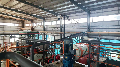
Sewer Sludge Washing: Silt to Clean Sand
Sewer sludge washing turns ditch silt and catch basin sediment into reusable clean sand. Process, advantages and municipal case study.
Sewer Sludge Washing: Silt to Clean Sand
Every city knows the problem. Storm drains, catch basins and sewer lines fill up with grit, sand, cigarette butts, plastic scraps and organic sludge, and someone has to dig it out. The cleaning crews pull out tonnes of this mix every week, and then the question arrives: what do you do with it? Dumping it at a landfill costs money and wastes material. Sewer sludge washing offers a smarter route. Instead of treating the whole mess as waste, a sewer sludge washing line separates the reusable sand and gravel from the organic and fine fractions, so a utility ends up with a saleable product instead of a disposal bill. This article walks through how the process works, why municipalities adopt it, and what a real installation looks like.
Technical Principles: How Sewer Sludge Washing Works
Ditch sludge is not uniform. It carries everything from coarse demolition grit to fine silt, and that is exactly why the treatment train is built around classification. The principle behind sewer sludge washing is simple: use water and mechanical energy to separate particles by size and density, then recover the clean sand fraction.
The Core Treatment Steps
- Screening and receiving — the sludge is dumped into a receiving hopper and passed over a bar screen or trommel to remove bulky debris and large stones before any washing begins.
- Wet classification — a log washer or drum scrubber breaks down agglomerated material while water carries fines away, leaving the coarser sand fraction behind.
- Hydrocyclone separation — the fine slurry goes through hydrocyclones, which concentrate the silt and clay into an underflow that can be dewatered separately.
- Dewatering and water recycling — dewatering screens and filter presses dry both the sand and the fine sludge, while clarified process water returns to the front of the line.
Every stage of sewer sludge washing is designed around water recycling, because a closed loop keeps both operating cost and environmental reporting simple. The clean sand comes out with low organic content and can be reused in backfill, bedding or concrete production. The fine sludge, now much smaller in volume, is easier to dewater and dispose of or co-treat with other organic waste streams.
Technical Advantages: Why Utilities Choose Sludge Washing
Municipal crews do not adopt sewer sludge washing because it looks modern. They adopt it because the numbers work.
- Volume reduction — sewer sludge washing typically cuts the waste volume by 60-80%, shrinking haulage and disposal costs dramatically.
- Sand recovery — recovered grit can be sold or reused locally, turning a cost centre into a small revenue stream.
- Protecting downstream treatment — when sewer cleanings are washed before discharge, the fines and organics no longer burden the wastewater treatment plant.
- Compact footprint — a mobile or skid-mounted unit can be parked at a depot, a transfer station or even beside an active cleaning project.
- Compliance confidence — clean water discharge and dewatered solids make environmental reporting straightforward.
That is the practical case for sewer sludge washing in any drainage department that moves serious tonnage every season.
Case Analysis: A Municipal Drainage Depot in Operation
Consider a mid-sized city that maintains 900 kilometres of storm and sanitary sewers. Its crews extract roughly 60 tonnes of ditch sludge every week during the cleaning season. Previously every tonne went to landfill. Desen Environment supplied a containerised sewer sludge washing line rated at 20 tonnes per hour, configured with a trommel, log washer, hydrocyclones and a dewatering screen. After commissioning, the sewer sludge washing unit recovered about 70% of the input as clean sand, which the city's public works department reused as pipe bedding. The remaining fines were dewatered to a stackable cake and sent for co-processing. Water consumption stayed low because the closed-loop system recycled around 90% of its process water. The payback, driven by avoided landfill fees and reduced transport, came in under two years. Zhengzhou Desen Environmental Technology Co., Ltd. handled the process design, equipment supply and on-site commissioning.
FAQ: Common Questions About Sewer Sludge Washing
Is sewer sludge washing the same as wastewater sludge treatment?
No. Sewer sludge washing targets the gritty, sandy material removed from pipes and catch basins during maintenance. It is a physical separation process, not biological digestion. The two streams are handled differently.
What capacity do typical washing lines have?
Desen Environment's modular lines range from roughly 10 to 60 tonnes per hour, so a utility can match throughput to its cleaning schedule rather than over-investing.
Can the recovered sand really be reused?
Yes, once laboratory testing confirms acceptable organic and contaminant levels. Common reuses after sewer sludge washing include pipe bedding, structural backfill and aggregate for non-critical concrete.
How do I get started with a washing line?
Contact Desen Environment through materialwashing.com with your sludge composition and volumes. The team runs treatability tests first, then designs the line around your site conditions.