Modular Soil Washing: Move, Reuse, Save
Modular soil washing plants move between contaminated sites fast. Deployment, relocation value, field case and FAQs from Desen Environment.
Modular Soil Washing: Move, Reuse, Save
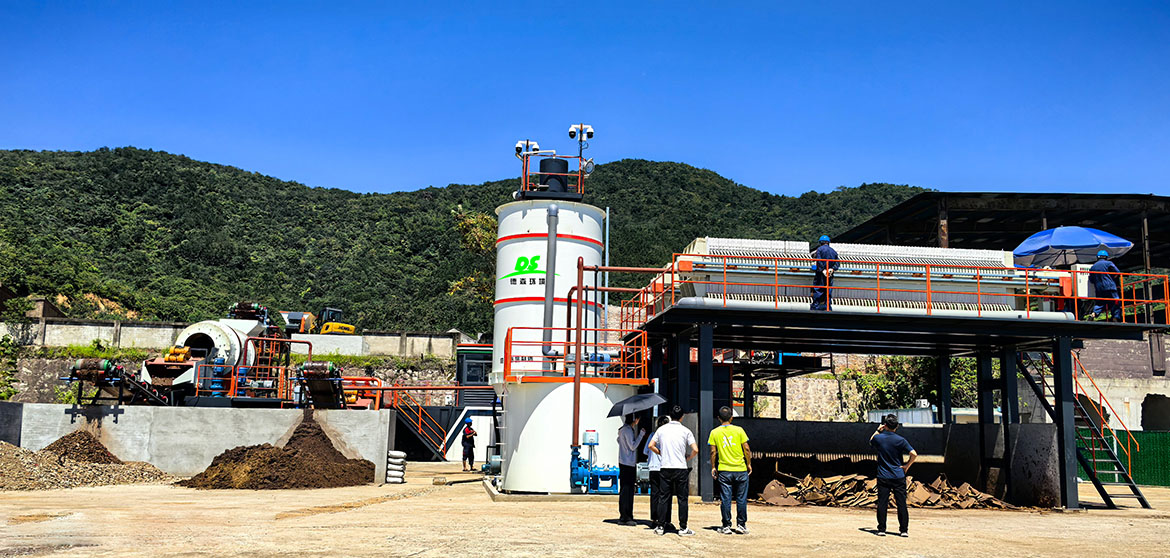
Most soil washing discussions start with the dirt. They should start with the calendar. A contaminated site gets its clean-up budget, its regulator deadlines and its neighbours, and the window for treatment is rarely as generous as anyone hopes. That is where modular soil washing earns its keep: not because the chemistry is exotic, but because the plant can be delivered, commissioned, run and packed up again on a schedule that a fixed installation simply cannot match. And when the job is done, the same modules move to the next site. This article looks at how modular soil washing works, why contractors keep choosing it, and what the numbers look like after the first project pays off.
Technical Principles: How Modular Soil Washing Is Built
A modular soil washing plant is a full treatment train broken into shipping-ready units. Each module performs one job, and the modules connect with standard flanges, hoses and cable looms rather than poured foundations. The principle is the same physical separation you find in any soil washing plant, but the engineering is organised for speed.
The Modules Behind the Line
- Feed and screening module — a hopper, conveyor and trommel take raw soil and remove oversize material before it reaches the scrubber.
- Scrubbing module — a drum scrubber or log washer applies mechanical energy to break down aggregates and detach contamination from sand surfaces.
- Classification module — hydrocyclones and dewatering screens split the stream into clean sand, fine silt and process water.
- Water treatment module — clarifiers, flocculant dosing and filter presses keep the wash water in a closed loop.
Each module sits on its own skid or inside a container, which means the whole plant can travel on standard trucks. Site preparation is limited to levelled ground and utility connections, so modular soil washing goes from arrival to first tonne in a matter of days, not months.
Technical Advantages: Why Contractors Keep Buying Modular
The advantages of modular soil washing show up long before the first tonne of clean sand is weighed. They show up in procurement, in scheduling and in the next tender.
- Rapid deployment — modular soil washing can be operational within one to two weeks, against the several months typical of fixed plants.
- Relocation value — when one site closes, the modules travel to the next project, so the capital cost is spread across multiple contracts.
- Lower civil work — no concrete foundations, no permanent utilities, and a smaller environmental footprint when the project ends.
- Scalability — throughput can be raised by adding a module, which makes the same family of equipment work for 20, 40 or 80 tonnes per hour.
- Easier financing — the residual value of a modular fleet is real, which changes how banks and leasing companies look at the asset.
Case Analysis: One Fleet, Three Sites in Eighteen Months
A remediation contractor working across eastern China bought a 40-tonne-per-hour modular soil washing system from Zhengzhou Desen Environmental Technology Co., Ltd. in 2024. The first contract, a former plating works with chromium and nickel in the soil, kept the plant busy for five months. When that site closed, the modules were trucked 700 kilometres to a petroleum hydrocarbon site, where the same scrubbing and classification line handled fuel-contaminated sandy loam. A third job followed at a municipal brownfield, treating 45,000 tonnes of mixed fill. The contractor reports that the plant was back in production within ten days of each move, and that the average mobilisation cost stayed below five per cent of project revenue. Across the three projects, the modular soil washing fleet treated more than 130,000 tonnes, and the owner now bids on smaller jobs that would never have justified a fixed plant.
FAQ: Common Questions About Modular Soil Washing
How long does it take to move a modular soil washing plant?
Disassembly, transport and re-commissioning typically take one to two weeks for a standard 20-40 tonnes-per-hour line, depending on the distance and site conditions.
Can modular soil washing handle different contaminants?
Yes. The scrubbing and classification core treats heavy metals, petroleum hydrocarbons and many organic contaminants. Reagent dosing can be adjusted per project, which is why treatability testing matters before each new site.
Is a modular plant more expensive than a fixed one?
Per tonne of capacity, modular soil washing is often comparable, and the relocation value usually makes it cheaper across multiple projects. The trade-off is a slightly higher engineering cost per unit versus the flexibility you gain.
How does Desen Environment support modular projects?
Desen Environment designs the plant, runs treatability tests, supplies the modules and provides commissioning engineers on site. Details and project inquiries are available at materialwashing.com.
上一篇:Sewer Sludge Washing: Silt to Clean Sand
下一篇:没有了!