Modular Washing Systems for Efficient Contaminated Soil Treatment
Explore how modular soil washing systems deliver efficient contaminated soil treatment. Desen Environmental provides modular remediation equipment with rapid on-site deployment.
The increasing number of contaminated industrial sites worldwide demands efficient and scalable remediation technologies. Modular washing systems have emerged as a practical solution for treating large volumes of contaminated soil while maintaining operational flexibility and cost control.
What Is a Modular Soil Washing System
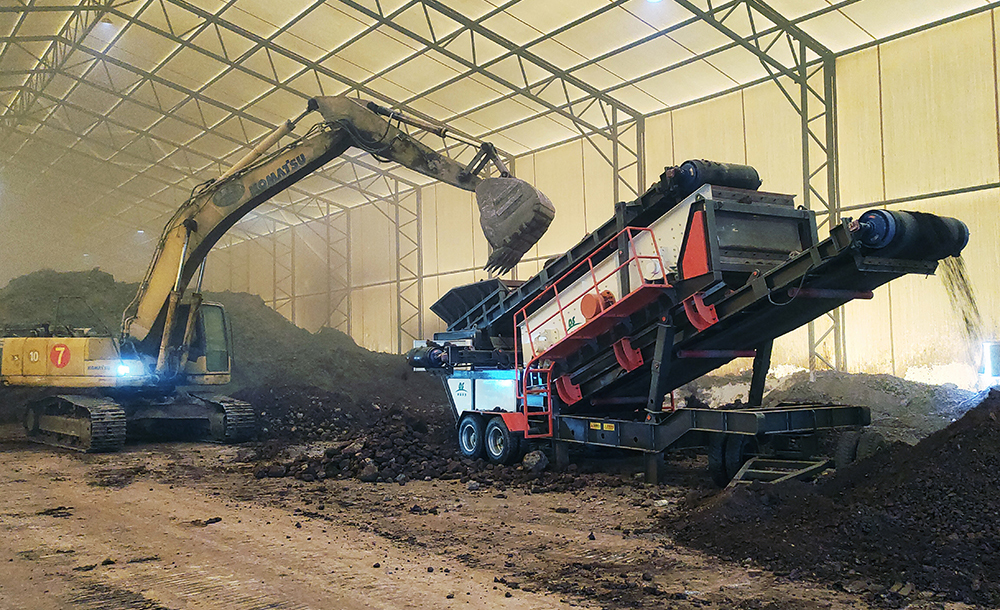
A modular washing system is an integrated soil remediation setup composed of independent functional units that can be assembled on-site to form a complete treatment line. Each module handles a specific process step—material feeding, scrubbing, classification, dewatering, and water treatment—allowing engineers to configure the system based on project requirements and site conditions.
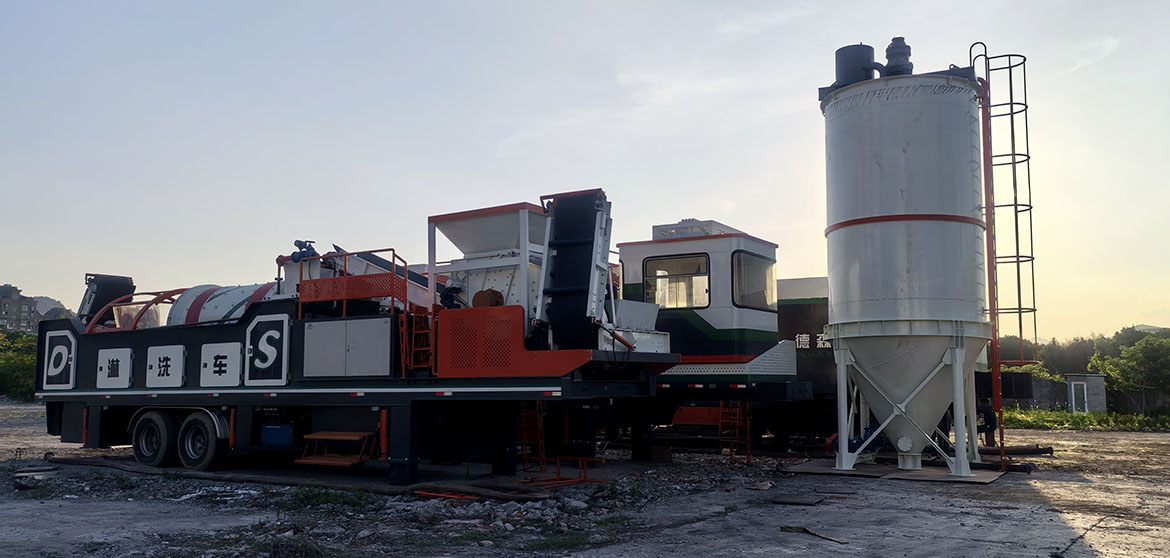
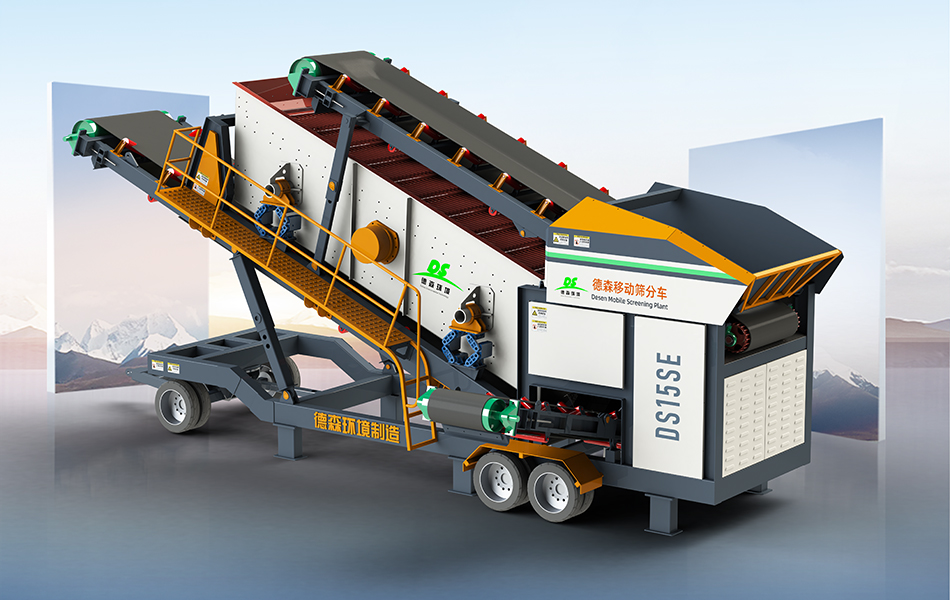
Desen Environmental's DSLX series modular soil washing equipment exemplifies this approach. The system integrates seven core modules: bin-type feeding, drum scrubbing and screening, high-efficiency immersion classification, deep cone thickening, plate-and-frame filter pressing, water treatment, and DCS electrical control. This modular architecture enables capacity configurations from 15 to 100 tons per hour, adaptable to different project scales.
Key Advantages of Modular Design
Traditional fixed remediation plants require extensive civil works, concrete foundations, and months of construction. A modular washing system eliminates most of these requirements:
- Rapid deployment: Equipment arrives pre-fabricated and can be connected within approximately 15 days, significantly reducing project startup time.
- No foundation required: Modules operate on a leveled hardened surface (C25 concrete, 200mm thickness), lowering infrastructure costs.
- Flexible reconfiguration: Individual modules can be added, removed, or rearranged to match changing project needs or to relocate to a new site.
- Compact footprint: A 30 T/H line occupies approximately 1,200 m², suitable for constrained urban and industrial sites.
How the Modular Washing Process Works
Contaminated soil first passes through a bin-type feeder with variable-frequency speed control for uniform material delivery. The soil then enters a drum scrubbing unit where high-speed rotation combined with internal friction strips breaks down soil aggregates and separates contaminants from particle surfaces. This physical scrubbing action is particularly effective for cohesive clay soils and complex contaminated matrices.
After scrubbing, a hydro-vibrating screen separates particles larger than 2mm. The undersized slurry proceeds to the immersion classification module, where gravity settling and spiral classification precisely separate 0.15–2mm fine sand from the finer slurry. The classified sand is dewatered and discharged for reuse, while the remaining slurry enters a deep cone thickener for flocculation and concentration.
The thickened slurry is then dewatered through a plate-and-frame filter press, producing filter cake with low moisture content. Throughout the process, over 90% of process water is recycled through the integrated water treatment module, minimizing freshwater consumption and eliminating secondary pollution risks.
Applications Across Contaminated Site Types
Modular washing systems handle a range of contamination scenarios:
- Heavy metal contaminated sites from smelting, electroplating, and chemical manufacturing facilities
- Petroleum hydrocarbon contamination at oil fields, refinery sites, and fuel storage areas
- Composite contamination combining heavy metals and organic pollutants at industrial brownfields
- Drilling mud, dredged sediment, and construction slurry treatment
Intelligent Control and Operational Efficiency
The entire modular washing line operates under a DCS distributed control system with 5G cloud IoT connectivity. Operators monitor all process parameters—feed rate, water flow, equipment status, and effluent quality—from a central control station. Remote monitoring capabilities allow project supervisors and regulatory authorities to access real-time performance data, supporting compliance verification and process optimization.
With a service life exceeding 10 years, low energy consumption (approximately 260 kWh for a 30 T/H line), and minimal staffing requirements (3–4 operators per shift), modular washing systems deliver strong long-term value for remediation contractors and site owners seeking reliable contaminated soil treatment solutions.