Oil Contaminated Soil Remediation with Thermal Washing Technology
Comprehensive oil contaminated soil remediation using thermal washing technology. Desen's equipment treats petroleum hydrocarbon levels up to 50,000mg/kg with over 90% water recycling. Explore proven solutions.
Oil exploration, refining, and transportation activities generate large volumes of oil-contaminated soil that require systematic treatment. Conventional disposal methods are increasingly restricted by environmental regulations, driving demand for oil contaminated soil remediation technologies that recover resources while achieving compliance.
The Challenge of Petroleum-Contaminated Soil
Oil-contaminated soil presents unique treatment difficulties. Crude oil binds tightly to soil particles, forming stubborn aggregates resistant to simple water washing. Effective remediation must overcome this binding mechanism while managing the separated oil fraction in an environmentally sound manner. Regulatory standards in markets such as the Middle East and Southeast Asia increasingly mandate treated soil hydrocarbon levels well below 5,000 mg/kg for reuse or safe disposal.
Thermal Washing Process for Oil Sludge Treatment
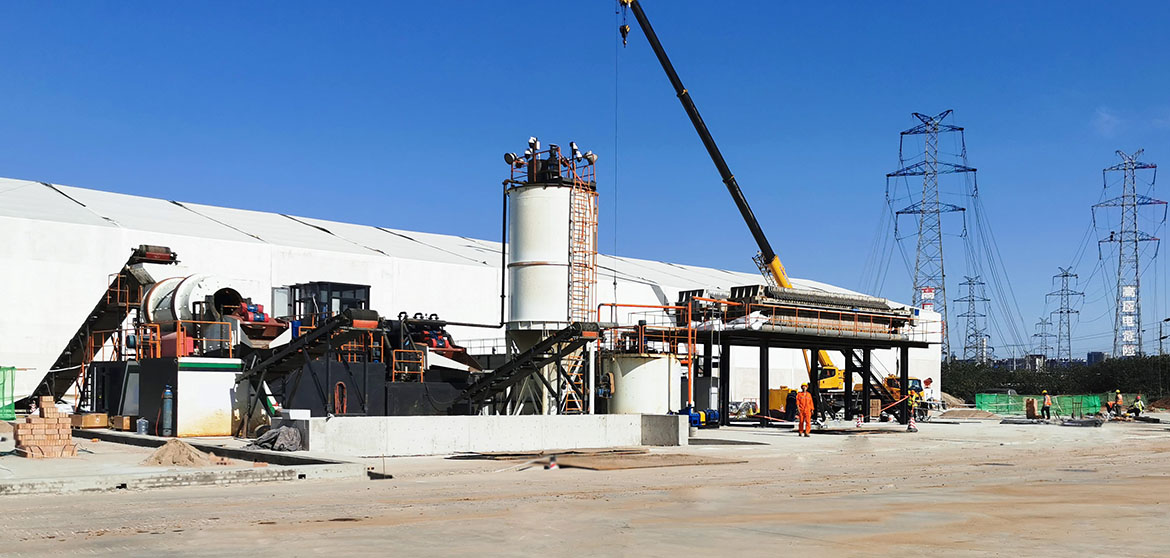
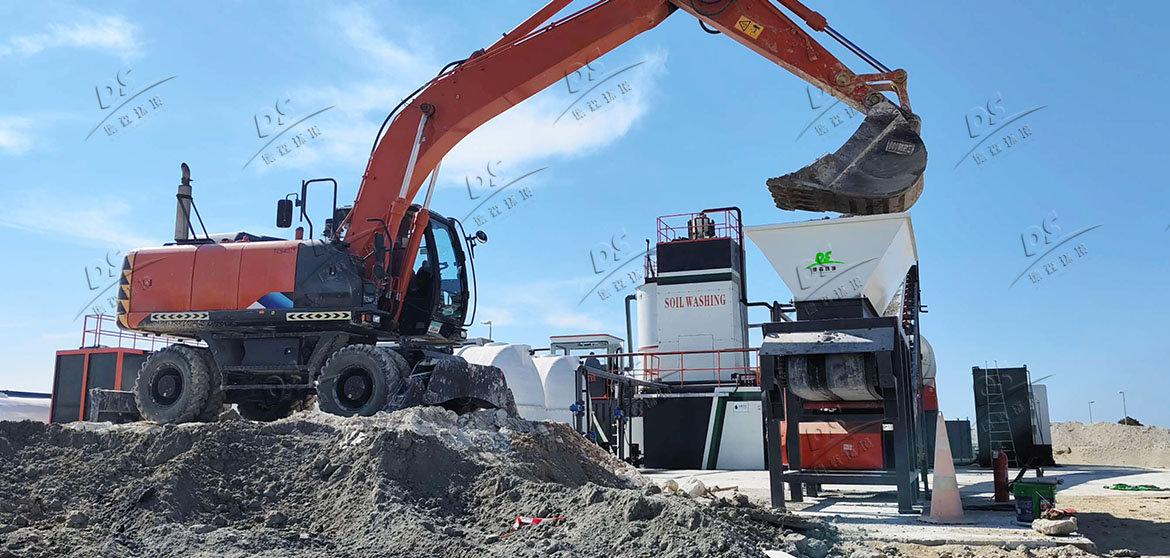
Desen's oil-contaminated soil washing equipment employs a multi-stage thermal washing and physical separation approach designed for petroleum hydrocarbon concentrations below 50,000 mg/kg. The process begins with pre-screening and feeding, where contaminated soil is loaded into a hopper feeder and transported to a rotary drum scrubbing unit. Water is introduced at a 2.5:1 water-to-soil ratio, along with washing agents that help detach oil from soil surfaces.
Inside the rotary drum scrubber, friction bars lift, tumble, and shear the material, breaking down oil-soil agglomerates through mechanical attrition. The scrubbed slurry passes through a primary vibrating screen that separates coarse materials larger than 2 mm. The undersize slurry proceeds to an immersion and classification module, where additional chemical reaction time allows thorough dissolution of residual hydrocarbons.
Oil Recovery and Solids Management
A dedicated oil separation chamber at the rear of the immersion module collects floating oil and scum, which are skimmed and transferred for off-site hazardous waste processing. The system then performs multi-stage particle classification to separate 0.15–2 mm fine sand from silt and clay fractions below 0.15 mm.
Fine materials undergo flocculation in a deep cone thickener with PAM dosing, followed by chamber filter press dewatering. The resulting filter cake can be directed to biological treatment piles for further remediation if needed. Process water is treated through coagulation, flocculation, aeration, and secondary settling before returning to the washing circuit—achieving over 90% water recycling.
Proven Performance in the Field
The system has been deployed in multiple domestic and international projects, including a major Abu Dhabi oilfield remediation campaign. It is suitable for oilfield landing areas, decommissioned gas station sites, petrochemical plant legacy land, and coastal oil spill zones. For projects with mixed contamination profiles, the same modular platform can be configured to address combined heavy metal and petroleum hydrocarbon contamination.
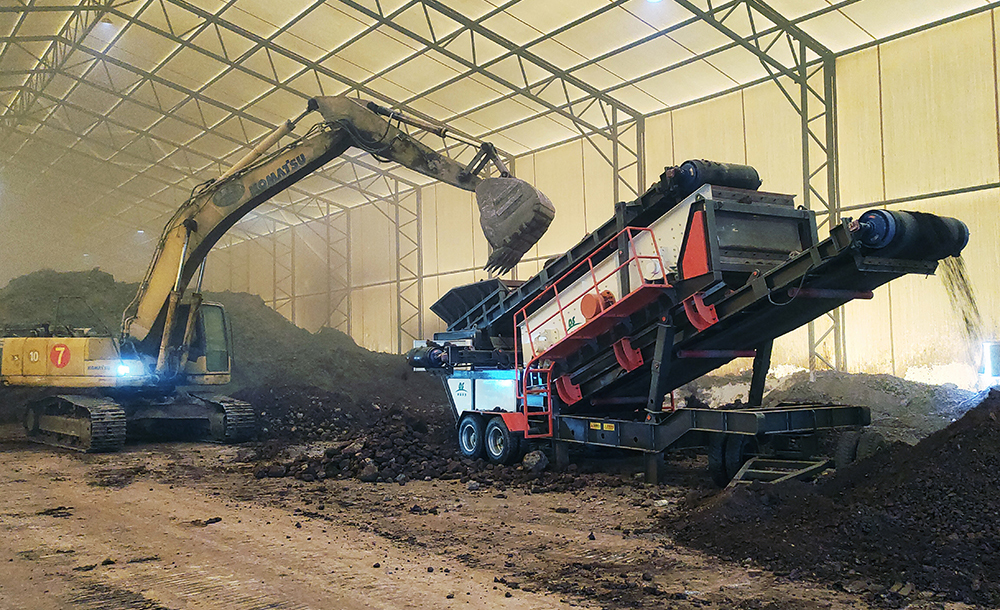
For sites requiring pre-screening prior to washing, Desen's mobile screening plants provide efficient material classification that protects downstream equipment and improves overall treatment consistency. To discuss your oil sludge treatment requirements, contact our technical team for a site-specific evaluation.